Food Tour Playa Del Carmen
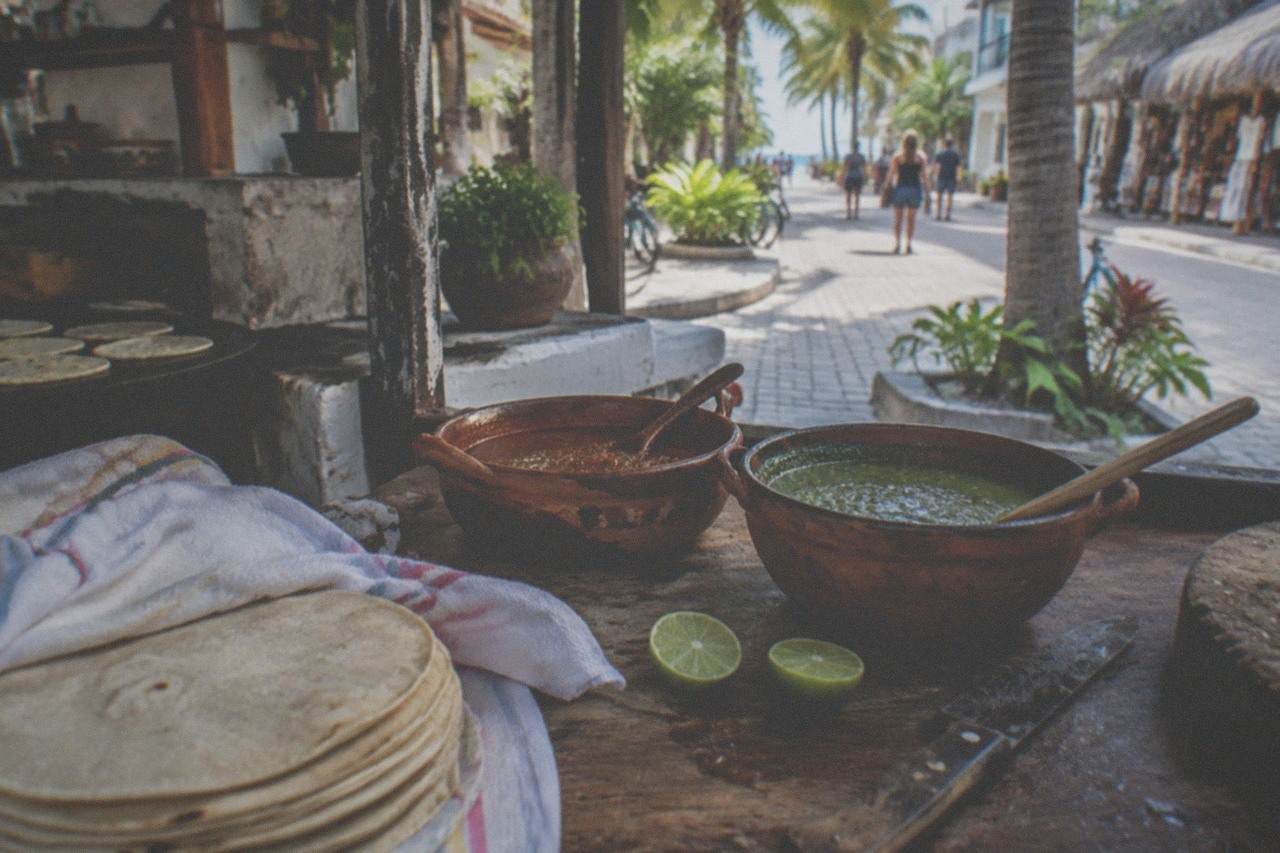
Playa del Carmen eats well above its weight. A narrow beach town on the Riviera Maya has Yucatecan, Lebanese-Mexican and Maya coastal kitchens packed into twenty walkable blocks, and a handful of guided food experiences will walk you straight into the ones locals use.
Short answer
The main food tour in Playa del Carmen is a guided market tasting walk with seven stops, from $79 per person, currently rated 4.9 from 8 reviews. A tequila and mezcal gourmet experience runs from $225.90 with a 5.0 rating from 6 reviews. Both are small, real products with thin review pools, so this guide compares them honestly.
Playa del Carmen's food reputation sits in an odd spot. The town is small enough that a determined eater could find the good taco stands, the marisquerias and the market halls alone, given three or four days and a working sense of direction. Most visitors have neither the days nor the direction. A guided food experience compresses that scouting work into a single morning, and in this town the two real options on the roster are a market tasting walk and a tequila and mezcal tasting, both of which are exactly what they claim to be and neither of which has a large review record behind it yet.
That last point matters more here than on most pages. This site's rule is that ratings are printed beside their review counts, always, because a 4.9 from eight reviews is a different object than a 4.9 from eight hundred. The food and tequila products in Playa del Carmen are small, genuinely well-reviewed operations that simply have not been reviewed by many people. Nothing in this guide oversells them. What follows is what each one covers, what it costs on the live listing, and how to decide whether a guided food day fits your trip at all.
What Does A Food Tour In Playa Del Carmen Actually Include?
A food tour in Playa del Carmen is a guided, small-group walking experience built around tasting stops rather than a single restaurant meal. The format pairs a local guide with six or seven stands, market stalls or cantinas, and at each stop you eat a specific regional dish while the guide explains what it is, where it comes from and how to order it again on your own later. Most run a half day and start in the morning.
The details vary by product, but the shape is consistent. A meeting point on or near Quinta Avenida, a walking route through the parts of town where actual residents shop and eat, and a sequence of stops that builds from lighter snacks toward heavier plates. Guides on these walks tend to earn their keep in three ways: translating menus that exist only in Spanish, explaining unfamiliar ingredients like recado spice pastes or cochinita pibil's banana-leaf cooking, and steering you past the tourist-priced stands toward the ones with the line of locals out front.
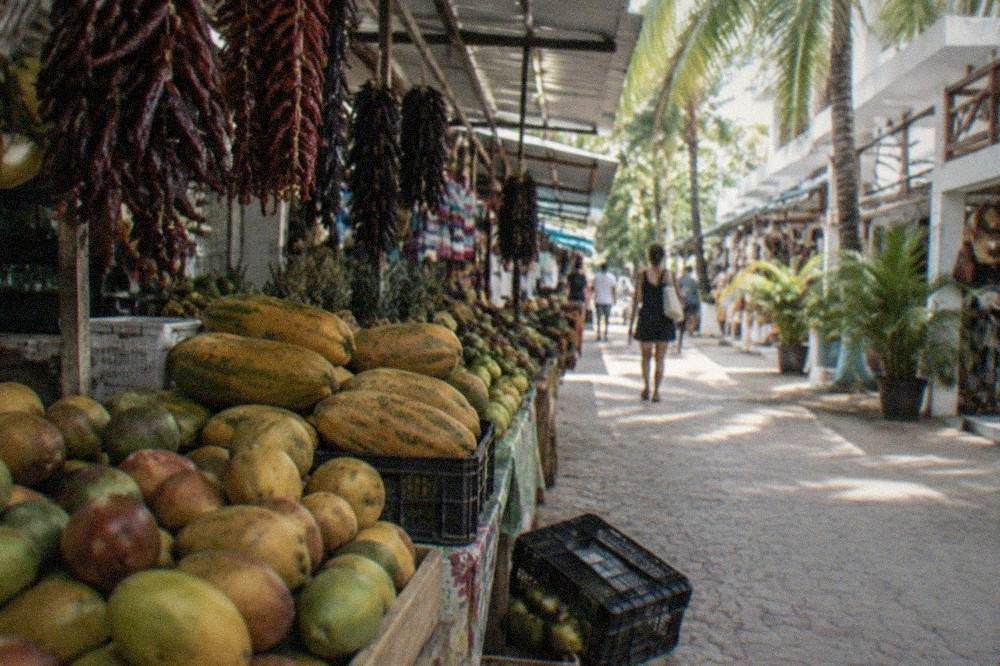
The walking itself is part of the point. Playa del Carmen's food geography splits fairly cleanly: Quinta Avenida and the beach blocks carry the tourist kitchens, while the food you came for clusters a few blocks inland around the municipal market and the streets where colectivo drivers take their lunch. A tour that never leaves the beachfront is a restaurant crawl. A tour that takes you inland to the market is a genuinely different view of the town, and that is the kind on this roster.
What you should not expect is a cooking class or an all-you-can-eat grazing marathon. Tasting walks are calibrated: a taco here, a fruit cup there, a small plate, a sweet, a drink. Come hungry but not starving, wear walking shoes, and bring cash for anything extra you want to buy at the stalls, because most market vendors do not take cards. Guides in Mexico's food walks also handle the tipping etiquette, which confuses first-time visitors more than the food does.
How Does The Market Tasting Walk Compare?
The market walk on this roster is Playa del Carmen: Food Tour Through Markets with 7 Tastings, from $79 per person. It holds a 4.9 rating, but from just 8 reviews, which is an honest 4.9 from a small pool rather than a proven crowd favorite. The tour includes seven tasting stops through the local market and side streets, guided in English and Spanish.
That small review pool cuts both ways, and the fair reading is that the product is real and well-liked by the few people who have reviewed it, while the sample is too thin to call it a bestseller. This guide prints the numbers and lets you weigh them. Seven tastings across a walking route is a standard half-day format, and $79 sits in the middle of the band you would expect for a guided food walk in a Mexican beach town: above a self-guided market browse, below a private guide.
The three options above frame the real decision. The market walk is the food-first choice and the cheapest of the three. The tequila and mezcal experience is the same category with a drinks-and-evening slant at a much higher price point. The whale shark tour is the category's big day-trip splurge for travelers whose appetite runs more toward the ocean than the market. For most people planning a food-focused day, the market walk is the sensible starting point, and you can read the full rundown of the market tasting walk with seven stops on its own page before committing.
One practical note on timing: market walks are morning products almost everywhere in Mexico, because that is when the market halls are at their fullest and the produce, meats and prepared foods are freshest. An afternoon market in the heat of the Riviera Maya is a quieter, sweatier experience. If your hotel is one of the big all-inclusives north of town, factor the transfer into your morning, since the walk starts from central Playa del Carmen and the colectivo or taxi ride in takes real time at that hour.
What Do The Tequila And Mezcal Experiences Cover?
The tequila option is Tequila and Mezcal Gourmet Experience in Playa del Carmen, from $225.90 per person, rated a perfect 5.0 but from only 6 reviews. It is a gourmet evening built around guided tastings of tequila and mezcal, Mexico's two flagship agave spirits, paired with food, rather than a bar crawl or a nightclub drink package.
The distinction between the two spirits is the intellectual core of any good tasting, and it is the reason this product exists at all. Tequila is made primarily from blue agave, mostly around Jalisco, and it is the spirit most visitors already know in some form, usually an unlucky one. Mezcal can be made from many agave species, is often smoked in underground pits, and carries the roasted, mineral complexity that has made it the darling of Mexican bartenders. A guided tasting walks you through those differences with the glasses in front of you, which is a far better way to learn them than any article.
| Product | Format | Price | Rating | Reviews |
|---|---|---|---|---|
| Food Tour Through Markets with 7 Tastings | Half-day guided market walk, 7 tasting stops | From $79 | 4.9 | 8 |
| Tequila and Mezcal Gourmet Experience | Gourmet guided tasting of tequila and mezcal with pairings | From $225.90 | 5.0 | 6 |
| Whale Shark Tour from Playa del Carmen | Full-day open-ocean swim-and-snorkel excursion | From $240 | 4.6 | 61 |
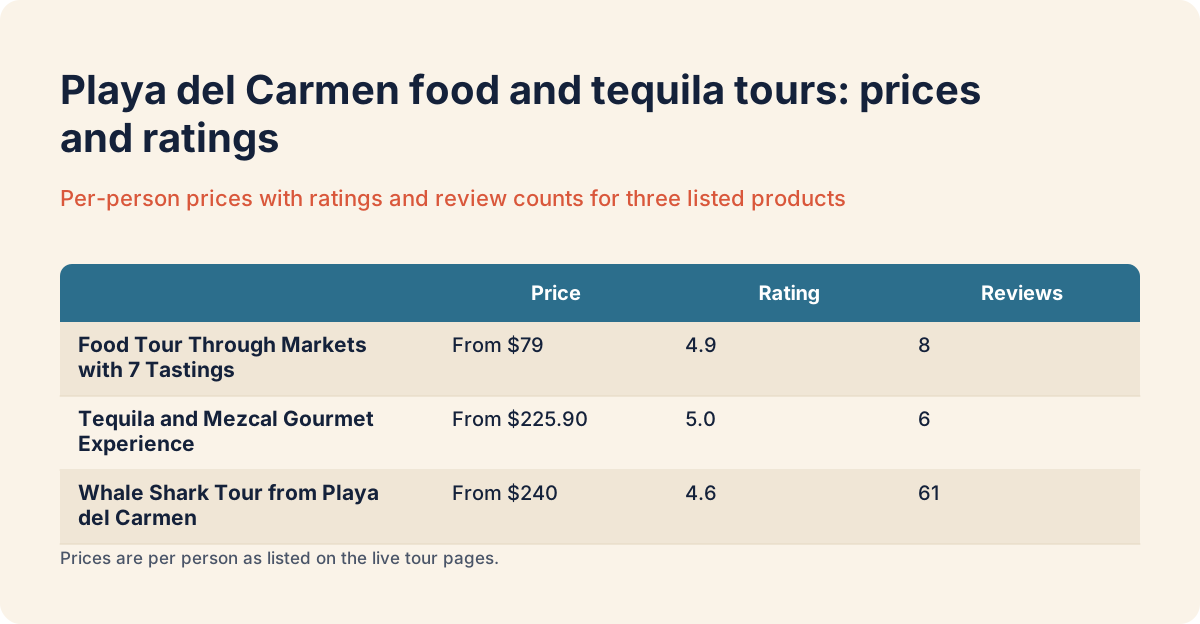
The price gap between the market walk and the tequila experience is real and worth stating plainly: $225.90 against $79 is close to three times the cost. What that buys, in tasting formats generally, is a seated, slower, more instructional experience with premium pours, versus a walking street-food circuit. Neither is objectively better. Street-food people tend to find spirit tastings slow; tasting people find street-food walks rushed. Know which one you are before you book, because both products are small and both have thin review pools that will not tell you the answer.
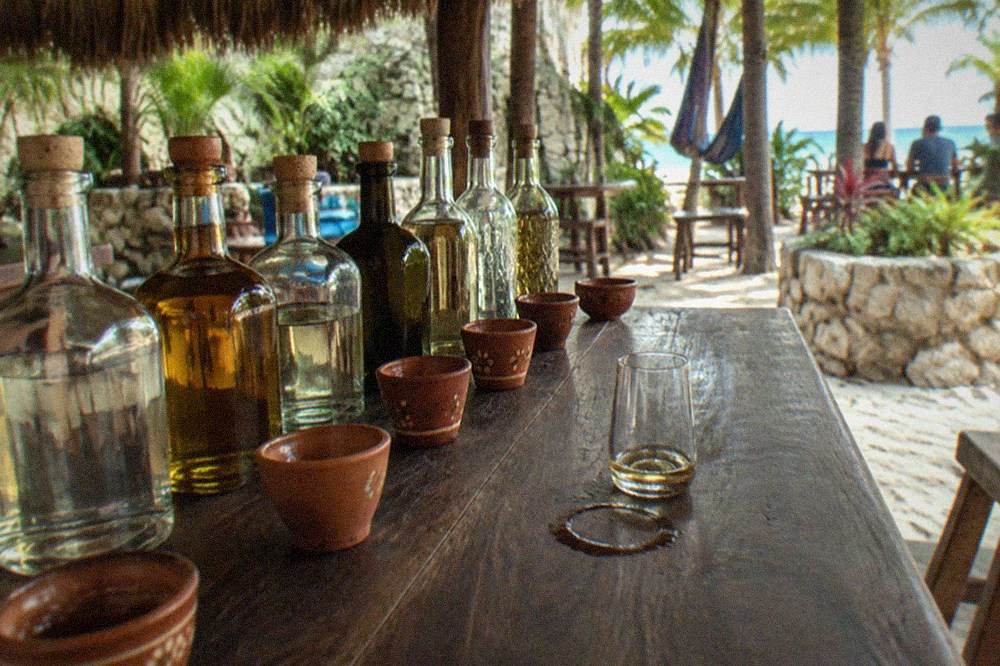
If tequila and mezcal are your reason for traveling, the full details and current availability are on the tequila and mezcal gourmet experience page, and the operator's live listing carries the exact pouring lineup and pairing menu.
Is A Playa Del Carmen Food Tour Worth The Price?
For most first-time visitors, yes, one guided food outing earns its cost, and the market walk at $79 is the one that earns it most reliably. A guide turns the market from an intimidating hall into a menu, saves you the trial-and-error of picking stalls, and leaves you with the vocabulary to keep eating well on your own. Repeat visitors or confident Spanish speakers get less from it.
The honest test is what you would do with the morning otherwise. If the alternative is breakfast at the hotel buffet and a wander down Quinta Avenida, the walk adds real value: it takes you inland, feeds you seven things you would not have chosen, and explains them. If the alternative is a week in town with a rental car and a list of taquerias already saved, the guide matters less, and $79 buys convenience rather than discovery.
There is also a middle path worth naming. Book the guided walk early in your stay, not at the end. Everything you learn on it, which stalls to trust, which salsas to fear, how cochinita differs from lechón, pays out over the following days when you eat on your own. A food tour taken on your last morning is a pleasant meal. The same tour on day one is a briefing.
One more cost consideration: tasting walks and tequila experiences are per-person products, so the math changes for families. Two adults at $79 is a reasonable guided-dinner equivalent for a morning of eating, and the per-head total only grows from there. At larger group sizes, a private guide booked directly, or simply a very good self-guided plan, starts competing on value. The prices on the live listings are per person and can shift with season, so treat the figures here as the floor, not a quote.
What Bigger Food-Category Days Out Are There From Playa Del Carmen?
The food and tequila category also carries the big-water options, and the flagship is the whale shark tour from Playa del Carmen, from $240 per person with a 4.6 rating from 61 reviews, the deepest review pool of the three. Whale sharks gather off the Riviera Maya in summer, and swimming beside the largest fish in the sea is the category's marquee day trip for travelers who want nature over markets.
Whale shark season on this coast runs through the warm months, with the strongest sightings in the middle of summer, and the tour is an early-start, full-day commitment: boat transfers from Playa del Carmen, a swim briefing, and open-water snorkeling beside filter-feeding animals the size of a bus. It is not a food experience in any literal sense, but it shares the category because it sits at the same price altitude as the tequila tasting and appeals to the same traveler who books one premium day out per trip and wants it to be memorable.
If the sea is your food-adjacent priority rather than the market, the turtle side of the region is covered in the separate Akumal turtles tour guide, though note the turtle swim itself is paused in September for conservation, so plan around that if it is on your list. For a slower day, Holbox Island runs from $95 with a 4.6 rating from 17 reviews, another small pool, and pairs a laid-back island with excellent seafood shacks. The main things-to-do guide maps the whole menu of day trips if you are still deciding how to spend your days.
When Is The Best Time To Do A Food Tour In Playa Del Carmen?
November through April is the most reliable window for any walking tour in Playa del Carmen: the dry season brings lower humidity, fewer afternoon downpours and more comfortable strolling between market stalls. Food tours run year-round regardless, since markets operate daily, but a tasting walk in the rainy season means planning around afternoon showers and serious midday heat.
The regional pattern is stable and worth knowing before you book anything outdoors. The dry season runs roughly November to April, and the rainy season roughly May to October, with afternoon showers common and humidity high. Hurricane season officially runs June 1 to November 30, with peak activity typically August to October, according to the NOAA hurricane climatology reference. A market walk can dodge a shower by ducking under a roof; a whale shark boat trip cannot, so the season matters more the wetter and bigger your day out gets.
| Period | Conditions | Best for |
|---|---|---|
| November to April | Dry season, lower humidity, cooler mornings | Market walks, walking tours, whale-free shore days |
| May to July | Heat and humidity rising, showers begin | Early-morning tours, cenote swim add-ons |
| June 1 to November 30 | Official hurricane season, peak August to October | Flexible bookings, free-cancellation products |
| August to October | Peak storm activity, sargassum decline begins | Indoor-leaning plans like tastings, weather-dependent boat trips with backup days |
Sargassum is the other seasonal factor, and 2026 has been a record year for it on this coast, with state monitoring recording the highest tonnage ever collected in Quintana Roo for a second consecutive year and Playa del Carmen the most affected municipality of all of them. That matters for beach days and some snorkeling, and barely at all for a market walk two blocks inland. A tasting-heavy itinerary is, in practice, the most sargassum-proof plan you can make, which is worth remembering if you are traveling in the historical peak months of June through August, when the seaweed is heaviest before tapering into autumn.
How Do You Eat Well In Playa Del Carmen Without A Tour?
You eat well by heading two to four blocks inland from Quinta Avenida, eating where the lines are local, and favoring the municipal market in the morning when produce and prepared foods are freshest. Follow the colectivo drivers and construction crews at lunch: their stalls are the town's working kitchens, and no guide is needed to find a full plate at one.
The market hall itself is the anchor. Stalls sell fruit, juices, meats, cheeses and prepared Yucatecan plates at prices set for residents, not visitors, and morning is when the hall is at its most alive. Cash rules there, Spanish helps, and a handful of words cover most transactions at the stalls.
| Dish | What it is | How to order it |
|---|---|---|
| Cochinita pibil | Slow-roasted pork marinated in recado and cooked in banana leaves, a Yucatecan staple | Ask for it by name at market stands, served on tortas or tacos |
| Panuchos | Fried tortilla bases filled with beans, topped with shredded meat and pickled onion | Order a plate of two or three as a light meal |
| Salbutes | Puffed fried tortillas with the same toppings as panuchos, lighter base | Common at the same stalls, order alongside panuchos |
| Marquesitas | A rolled, crepe-like street sweet filled with cheese or caramel | Look for evening street carts near the plaza |
| Salsas | House-made sauces ranging from mild to genuinely dangerous, one per stall | Ask which is hot before you test them |
A couple of site-specific rules from the region's protected-area playbook apply even to eaters, because a food day often bleeds into a swim. Biodegradable sunscreen is required at most managed cenotes and marine parks in Quintana Roo; conventional sunscreen is commonly refused at the gate or demands a rinse-off, and mineral-based zinc or titanium products are the safe default for the whole coast. And foreign visitors of every age owe the state's visitor tax, roughly 283 MXN, paid online before departure through the official VISITAX portal for a QR code; it is generally not bundled into airfare, so it is easy to forget.
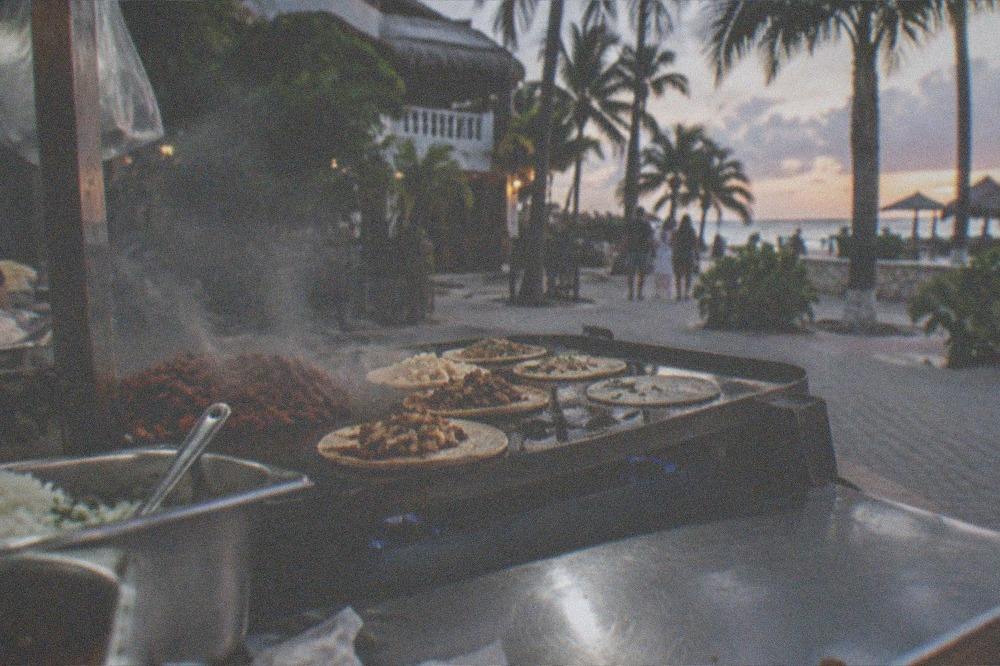
Water safety is the question every cautious visitor asks, and the honest answer has layers: ice at established restaurants and tour stops is purified and safe, street tacos from busy stalls are prepared fresh through the day and are broadly fine for most travelers, and tap water is for nobody. People who eat the deepest local menu on day one sometimes pay for it on day two, so ease in if your stomach is untested, and let the first market visits be small. A guided walk is, incidentally, a gentle on-ramp for exactly this: the guide curates stalls with a reputation to protect.
Whether you book the walk, the tasting, or just print this page and go it alone, the same rule holds for Tours in Playa del Carmen: the town's best cooking sits a short walk from the beach, priced for locals, and it rewards whoever shows up in the morning.
Common Questions About Food Tours
What does a food tour in Playa del Carmen include?
A typical food tour is a small-group guided walk with multiple tasting stops, usually a half day, starting in the morning. The market walk on this roster includes seven tastings through the local market and side streets, with a guide explaining each dish. Expect a sampling circuit rather than a sit-down meal, and bring cash for extras.
How much does a food tour in Playa del Carmen cost?
The market tasting walk starts at $79 per person. The tequila and mezcal gourmet experience starts at $225.90 per person. Both are per-person prices from the live listings and can shift with season, so treat them as floors rather than fixed quotes.
Are food tours in Playa del Carmen reliable?
The products are real and well-reviewed, but the review pools are small: the market walk holds 4.9 from 8 reviews and the tequila experience 5.0 from 6. That is an honest picture of small, newer operations rather than proven crowd favorites, so book with the free-cancellation window in mind.
Which is better, the market walk or the tequila and mezcal experience?
They serve different appetites. The market walk is a daytime street-food circuit at $79, best for travelers who want to see where locals eat. The tequila experience is a seated, premium tasting at $225.90, best for travelers specifically interested in agave spirits. Street-food people and tasting people rarely cross over.
When should I book a food tour during my trip?
Book it early in your stay, ideally day one or two. Everything the guide teaches you about stalls, salsas and ordering in Spanish keeps paying off for the rest of your trip. A food tour on your last morning is just a pleasant meal.
Can I eat well in Playa del Carmen without a guided tour?
Yes. Walk two to four blocks inland from Quinta Avenida, eat at stalls with local lines, and visit the municipal market in the morning. A guided walk mainly saves you the scouting time and the language friction, which is worth more on a short first visit.