What To Be Careful Of In Tulum
The practical cautions for a Tulum visit: entry fees at the ruins, the September turtle-swim pause at Akumal, sargassum season, transport and safety realities, and rip currents at the beach.
What To Be Careful Of In Tulum
Tulum sits roughly 63 to 74 km south of Playa del Carmen along Federal Highway 307, about 50 to 75 minutes by road. Its archaeological zone opens daily from 8:00 to 17:00, with last entry at 15:30, and the US State Department rates Quintana Roo at Level 2, exercise increased caution, the same level applied to the country overall. None of that makes Tulum dangerous. It makes it a place where a few specific frictions, layered fees, a seasonal turtle-swim pause, sargassum, strong currents and opportunistic sellers, are worth knowing about before you go. This page walks through each of them, with current figures and the official sources behind them.
What To Be Careful Of In Tulum
The main things to be careful of in Tulum are layered entry fees at the ruins (a combined roughly 265-625 MXN for foreign visitors), a September pause on turtle-swim tours at nearby Akumal Bay, a heavy 2026 sargassum season, strong rip currents at the beach, and tourist-zone price inflation. None of these are reasons to skip Tulum; every one of them is manageable with a little planning.
Start with the fee structure, because it is the item that surprises the most people at the gate. The Tulum archaeological zone charges several components: a base INAH admission listed around 105 MXN for nationals and 210 MXN for foreign visitors, plus additional GAFSACOMM and CONANP or park fees. For foreign visitors the combined total lands in a range of roughly 265-625 MXN depending on which components are bundled when you visit. The exact split has been adjusted more than once in 2025 and 2026, so treat any single number you see quoted online, including ours, as approximate and confirm the day-of total at the ticket window or the official INAH listing. Mexican nationals pay less, with discounted or free Sunday entry for nationals and residents holding ID.
The second caution is seasonal and time-sensitive. Turtle-swimming tours at Akumal Bay, a common add-on from the Tulum area, pause for the month of September under Semarnat environmental permits, part of the bay's conservation calendar. If your trip falls in September, expect boat or lagoon alternatives instead, and do not book any product that promises a turtle swim that month. The pause is a management measure, not a shutdown of the bay itself; beach access remains public. The context and rules around it are covered in more detail in the section below on Akumal.
Third, sargassum. 2026 has been a heavy year across the Caribbean, and Playa del Carmen, to Tulum's north, has been the most affected municipality in Quintana Roo, with roughly 44.5k tons collected as of mid-September. Tulum's east-facing beaches sit in the same exposure band. Volumes were declining sharply through September with arrivals expected to keep easing into October, and the November-to-April dry season is historically the cleanest period. Still, check a current satellite or state monitoring map before you pin your beach day to a specific stretch.
Beyond those three, the everyday cautions are the ones you would expect at any busy coastal destination: strong currents on the east-facing beaches, inflated prices in the hotel zone, unofficial ticket and parking sellers near the ruins, and the standard advice from the US State Department advisory to stay alert after dark in downtown areas and stick to well-lit pedestrian streets. A related read worth keeping open is Tulum tours from Playa del Carmen, which covers the full set of tour options, and our broader Playa del Carmen safety guide covers the state-level advisory context that also applies to Tulum.
Here is the whole caution set in one view, with the practical fix for each:
| Caution | What it looks like | How to handle it |
|---|---|---|
| Layered ruins entry fees | Foreign-visitor total roughly 265-625 MXN across INAH, GAFSACOMM and CONANP components | Carry pesos and card, confirm the day-of total at the official window |
| September turtle-swim pause | Akumal Bay turtle tours pause for the full month | Book boat or lagoon alternatives, or travel outside September |
| Sargassum on east-facing beaches | Worst May-October, peak June-August; heavy in 2026 | Prefer November-April, check monitoring maps, keep cenote backups |
| Rip currents | Waves and currents on exposed hotel-zone beaches | Swim at patrolled stretches, treat many beaches as wading-only |
| Unofficial sellers | "Tickets" and "parking" offered before the gate | Buy only at the official window and official lots |
| After-dark downtown areas | State advisory advice for Tulum, Playa del Carmen and Cancun | Stay in well-lit pedestrian streets and tourist zones |
For most visitors, one well-run day trip covers the ruins and a cenote swim without the hassle of self-driving. These three picks are the ones we would shortlist:
Are The Tulum Ruins Safe And How Do The Fees Work?
Yes, the Tulum ruins themselves are safe and have stayed open through 2026 with no closures or major restorations reported. The real caution is the fee structure: foreign visitors commonly pay a combined total in the roughly 265-625 MXN range across INAH, GAFSACOMM and CONANP or park components, and the exact split has shifted more than once recently.
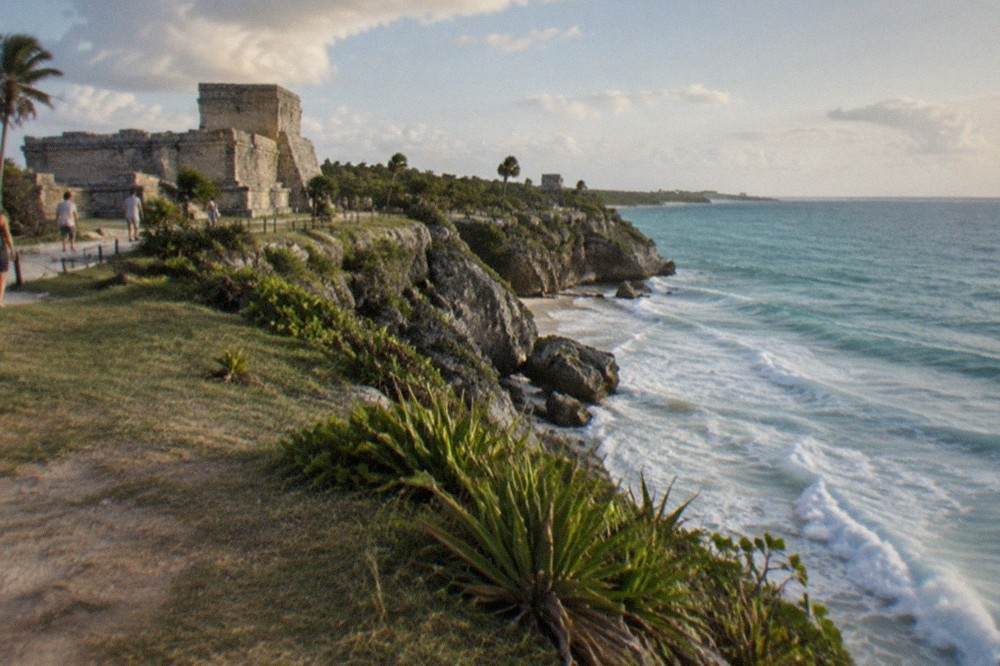
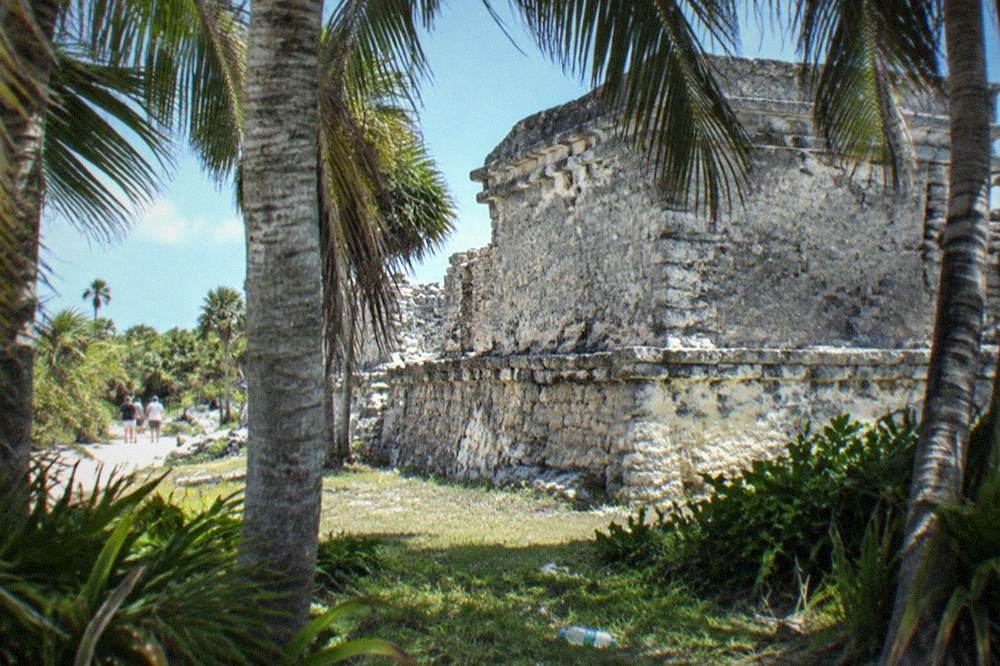
The site is compact and paths are generally walkable. Visitors follow designated routes and can approach and view the structures, but climbing or entering most interiors is prohibited, roped off or barred for conservation and safety, a policy in place since at least the mid-1990s and consistently enforced. The Temple of the Frescoes interior, for instance, is typically not accessible. There is no climbing culture here the way some visitors expect from other sites; plan to look, not to touch.
On fees, the practical advice is simple: carry pesos and card, arrive knowing the approximate range rather than one hard number, and buy at the official window. The INAH listing is the primary source for hours, admission and contact details. Be wary of anyone on the approach road selling "tickets" or "parking"; the official INAH listing notes the address on Federal Highway 307 at Km 230, and informal sellers cluster well before the gate. There is a genuinely useful crowd-timing point too: peak congestion runs roughly 10:00 to 15:00, driven by tour buses and cruise groups, and Sunday draws heavier local turnout because of discounted or free national entry. Arriving at the 8:00 opening is the single best way to avoid both.
For travelers staying in Playa del Carmen, the most efficient way to visit is a combined ruins-plus-cenote tour, which handles the timing for you:
The Tulum Ruins, Cenote Mariposa and Playa del Carmen option runs from $34.05 and carries a 4.6 rating across 446 reviews, one of the deeper review pools on our Tulum-area roster. It pairs the archaeological zone with a cenote swim stop, which is exactly the combination most first-time visitors want from a single day.
What Are The Rules If You Swim With Turtles At Akumal?
Turtle swimming at Akumal Bay happens inside a federally protected marine zone where a CONANP-authorized guide is mandatory, and the swim itself pauses for the full month of September each year. Groups are capped at 6 swimmers per guide, life vests are required, you must keep roughly 3 meters from the turtles, and only biodegradable sunscreen is allowed.
Akumal Bay is designated protected turtle habitat, a federally recognized refuge area established around 2016-2017 to shield the seagrass feeding grounds where resident green sea turtles graze year-round. The rules inside the buoyed turtle zone are strict and actively enforced with the possibility of fines: mandatory certified guide, no independent entry into that specific zone, vest required to keep swimmers horizontal over the seagrass, no touching, chasing, feeding or blocking surfacing, and session limits around 45 to 55 minutes. Independent snorkeling is possible only in the near-shore free-swim areas close to the beach, where sightings are far less reliable because the turtles concentrate in the deeper protected zones.
The September pause deserves a hard flag for trip planning. As of late 2026 reporting, tours were set to pause for the full month of September under Semarnat permit conditions and bay management plans, with boat, lagoon or fishing alternatives offered instead. The pause is conservation-driven, part of the ecosystem rest calendar, and a February pause has also been referenced in prior contexts. Turtles themselves remain present in the bay year-round, with peak sightings and nesting activity from May through November; October and November are often cited as the best window overall once sargassum clears and crowds thin.
If you are booking anything turtle-related from Tulum, read the listing carefully. A product that implies a guaranteed turtle swim in September is one to walk away from. The official CONANP notice on the Akumal turtle program is the authoritative source on the zone rules and the resumption of permitted swimming. Practical extras worth knowing: beach access itself is public, but facilities at sites like Tsúuk Akumal Natural Park typically run around 120-140 MXN per person, official parking near the entrance arch is commonly around 100 MXN per day, and unofficial highway "ticket" sellers should be avoided. If you want the full picture on planning that trip, see Akumal turtles tour from Playa del Carmen.
Should You Worry About Crime In Tulum?
Probably less than the headlines suggest, and more than a resort brochure implies. Quintana Roo sits at US State Department Level 2, exercise increased caution, the same level as the overall Mexico advisory, while credible reporting shows Tulum municipality homicides fell sharply in 2025, roughly 61% below 2024, taking Tulum off national high-violence rankings.
The useful way to read that is: tourist zones in Tulum, the ruins, the hotel zone, the downtown core, are generally low-risk for violent crime, and the incidents that do occur are overwhelmingly local disputes rather than attacks on visitors. The state-level advisory exists for real reasons, and its practical advice is worth following: pay attention to surroundings after dark in downtown areas, stay in well-lit pedestrian streets and tourist zones, use licensed transport, and avoid isolated areas at night. Petty theft is the crime a visitor is most likely to actually encounter.
What changed in 2026 is context worth having. Tulum's high-impact crime figures dropped significantly in 2025, and increased security measures including National Guard presence and screening at the archaeological site have been noted. There were no widespread credible reports of political instability or tourist-targeted safety crises in Tulum town or the ruins area across 2025 and 2026. That is not a promise of safety, it is a description of a place whose risk profile has been improving while the official advisory level, which is set statewide and covers Cancun and Playa del Carmen too, stays conservative.
The other honest note is about perception and price rather than violence: Tulum's reputation for crowds, construction and rising costs is well documented, and some travelers have genuinely cooled on it, a story we cover in why people stopped going to Tulum. If you are weighing Tulum against its neighbors, our Riviera Maya versus Cancun comparison breaks down the trade-offs, including safety, across the corridor.
What Should You Know About The Beach And Sargassum?
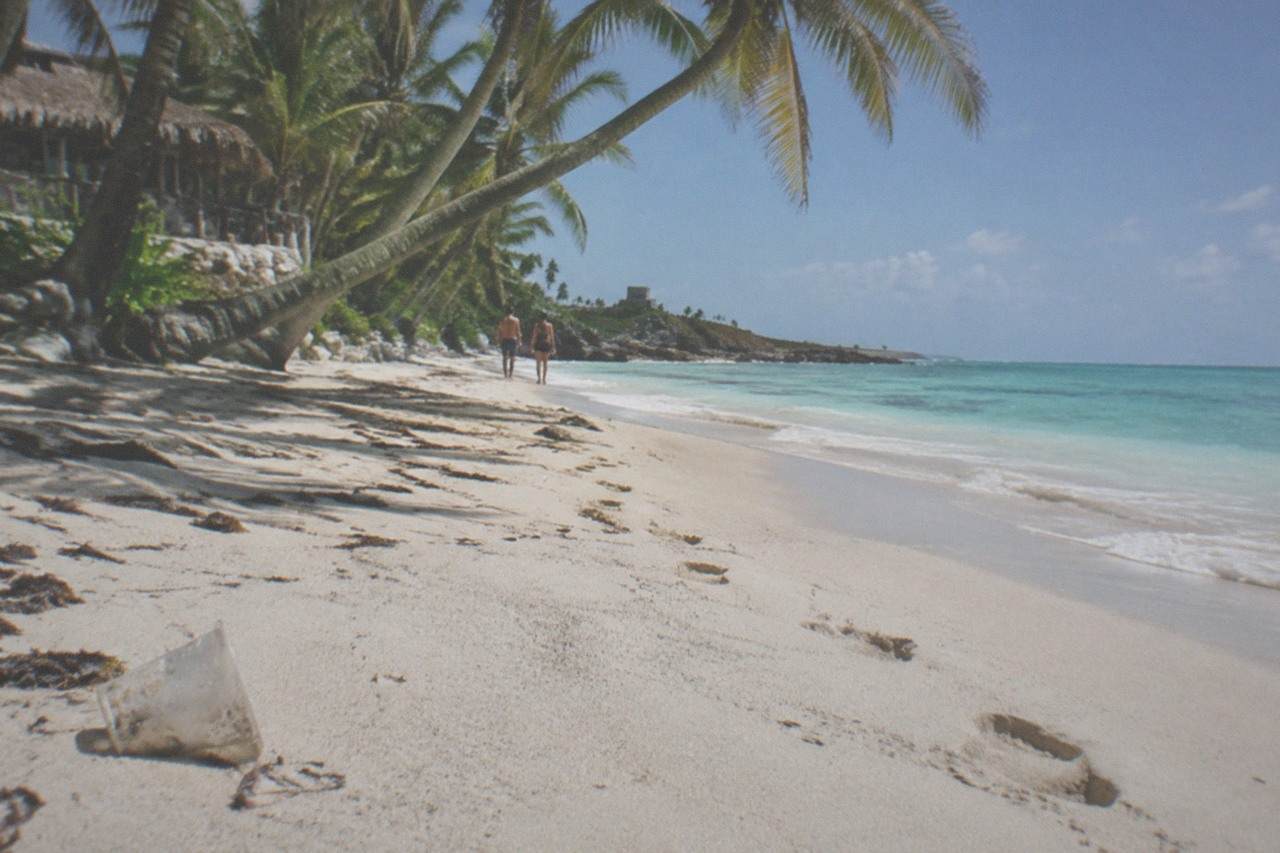
Tulum's beaches face open Caribbean water, which means two cautions: strong currents, including rip currents that make swimming genuinely hazardous on some stretches, and sargassum, whose worst months run May through October with the June-August peak. November to April is historically the cleanest and calmest window.
The current warning is the one locals repeat most. The same east-facing exposure that keeps Tulum's water turquoise also brings waves and rip currents; many hotel-zone beaches are better for sunbathing and wading than swimming, and lifeguard coverage varies. The same pattern that brings sargassum to these shores is also why Cozumel's west coast and Playa Norte on Isla Mujeres, both sheltered from the direct eastward drift, tend to stay clearer when the mainland beaches are affected.
On sargassum specifically, 2026 has been a heavy or near-record year. The June 2026 USF Optical Oceanography bulletin recorded record-high Caribbean abundance for the month, with Gulf totals around 5 million metric tons, nearly double the prior 2025 record, and the year projected as at least the second-largest on record. By late August, totals had declined substantially from the summer peak, though they remained above historical norms. In Quintana Roo, the state monitoring network reported record collections for the second consecutive year, with sargassum present on 135 of 140 monitored beaches as of September 22 but volumes falling sharply compared with August, and arrivals expected to keep easing through September and October.
What that means for a Tulum trip is nuance, not panic. Beach-by-beach conditions vary widely, daily mechanical and manual removal is ongoing, and the overall trend through autumn is downward. If your trip is flexible, the November-to-April window is the reliable one. If it is not, check a current satellite map or the state monitoring feed a few days out, and have cenote or lagoon alternatives in your back pocket, since inland freshwater sites are entirely unaffected by sargassum. Our best time to visit Playa del Carmen guide covers the seasonal calendar in full, and whether cenote swimming is safe answers the inland question.
How Do You Get To Tulum Safely?
From Playa del Carmen, Tulum is 50 to 75 minutes south on Highway 307 by car, taxi, colectivo or ADO bus, with colectivos running roughly 50-80 MXN per person and ADO buses roughly 100-160 MXN. Playa-to-Tulum taxis run around 600 MXN in some reports; agree on the fare before you get in, since intercity taxis are not always metered.
The colectivo is the budget workhorse: shared vans leaving when full, often every 5 to 15 minutes in daytime, costing roughly $3-4 USD per person for the Playa-Tulum run, though they stop on request along the highway. The ADO bus is the comfortable middle option, air-conditioned with luggage storage, running multiple times per hour on key routes. Private transfers and rental cars suit cenote-hopping itineraries; rental cars add insurance, fuel and parking costs, and night driving warrants extra caution per the advisory.
A couple of transport cautions specific to this corridor: unlicensed taxi solicitation is a known friction at both ends, and ride-hailing has been a flashpoint locally, with reported incidents along the Playa del Carmen to Tulum federal highway in 2026. The advisory-level advice, licensed transport and well-lit pickup points, is the practical response. If you are starting from the airport rather than Playa, our guide on getting from Cancun airport to Playa del Carmen covers that leg in detail, and Playa del Carmen ferries explained handles the Cozumel crossing.
The simplest way to skip transport planning entirely is a tour with hotel pickup from Playa del Carmen:
The Coba private tour with cenote swim runs from $214 and carries a 5.0 rating from 88 reviews, pairing two inland archaeology sites with a freshwater swim, a combination that avoids the beach variables altogether.
Which Tulum-Area Tour Should You Actually Book?
For a first visit, a combined Tulum ruins and cenote tour is the strongest pick: the ruins need two to three hours at a sensible pace, and a cenote swim after them is the natural cooldown. For wildlife, the Sian Ka'an biosphere day trip is the standout, and for a quieter ruins experience, Coba is the alternative with the deepest jungle setting.
Sian Ka'an deserves a special mention because it is the one most visitors under-plan. The UNESCO biosphere reserve south of Tulum charges a CONANP entrance fee of 225 MXN per person per day, collected at access points like Muyil, with exemptions for children under 12 and credentialed seniors, students and teachers. Full-day tours from Playa del Carmen commonly run 7 to 13 hours and typically $189 to $234 per adult, including transport, guided boat time through the lagoons and mangroves, snorkeling and often lunch. Independent access is limited; interior boat routes run through authorized operators and cooperatives, which is itself a caution worth knowing, since self-driving to Punta Allen involves roughly 50 km of dirt road.
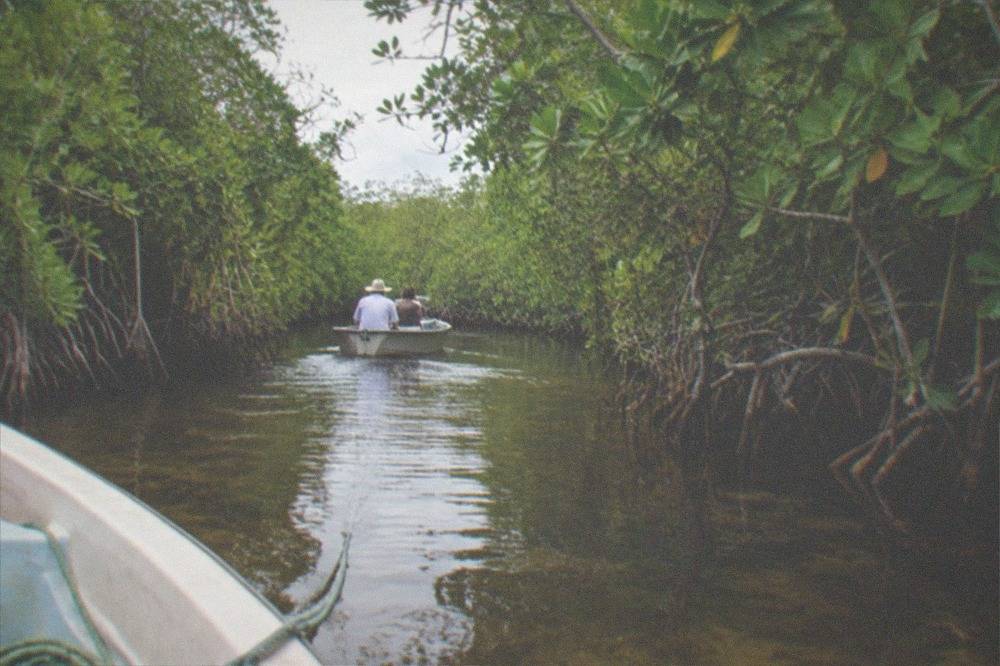
On our roster, the Sian Ka'an day trip focused on dolphins and turtles is rated 4.9 from 38 reviews, from $194, a solid rating on a modest review pool. The Coba private tour is 5.0 from 88 reviews at $214, and the flagship Tulum ruins and Cenote Mariposa combination is 4.6 from 446 reviews at $34.05, the deepest review pool of the three by far. Booking through the operator's live listing, with a free-cancellation window where offered, is the low-friction way to handle the seasonal variables this page describes. And if you are still building the wider itinerary, start with things to do in Playa del Carmen from our homepage at Tours in Playa del Carmen.
Common Questions About What To Be Careful Of In Tulum
What To Be Careful Of In Tulum?
Layered entry fees at the ruins (roughly 265-625 MXN combined for foreign visitors), the September pause on turtle swims at Akumal, sargassum in the May-to-October window, strong rip currents on east-facing beaches, inflated hotel-zone prices, and unofficial ticket sellers near the gate. All are manageable with planning.
Is it safe to walk around Tulum at night?
In the well-lit tourist and pedestrian zones, generally yes, with normal precautions. The State Department advisory for Quintana Roo specifically advises paying attention to surroundings after dark in downtown areas of Tulum, Playa del Carmen and Cancun, and staying in well-lit pedestrian streets rather than isolated areas.
Can you swim with turtles in Akumal in September?
No. Turtle-swim tours at Akumal Bay pause for the full month of September under Semarnat environmental permits, with boat, lagoon or fishing alternatives offered instead. The rest of the year, swimming inside the protected zone requires a certified guide, a life vest, and roughly 3 meters of distance from the turtles.
How much does it cost to enter the Tulum ruins?
For foreign visitors, a combined total of roughly 265-625 MXN across INAH, GAFSACOMM and CONANP or park components, with the exact split varying by what is bundled when you visit. Mexican nationals pay less, and discounted or free Sunday entry applies for nationals and residents with ID.
When is sargassum worst in Tulum?
May through October, with the peak typically June to August. 2026 was a heavy year, but volumes declined sharply through September and arrivals were expected to keep easing into October. November to April is historically the cleanest and most reliable period.