Is Tulum Nicer (And Safer) Than Cancun?
A straight comparison of Tulum and Cancún on safety, pace, beaches, transport and tours, with the official advisory position and what each town is actually like as a base.
Is Tulum Nicer (And Safer) Than Cancun?
Tulum reads as the calmer, lower-rise, more nature-forward base, while Cancún offers the bigger hotel infrastructure, the faster airport connection and the wider nightlife. Neither town sits in a higher official risk tier than the other: the U.S. State Department rates all of Quintana Roo, both towns included, at Level 2, Exercise Increased Caution, and has held it there through 2026. "Nicer" is a question of taste; the safety answer is that they are officially equal.
That Level 2 rating is the single most important fact in this comparison, and it is the one most comparison articles skip. The advisory does not separate Tulum from Cancún. It names the state, notes that shootings between rival groups have injured bystanders, and advises the same practical behaviour in both places: pay attention to your surroundings after dark in downtown areas, stay in well-lit pedestrian streets, and stick to tourist zones. Whatever a marketing page tells you about one town being safer than the other, the official position draws no line between them.
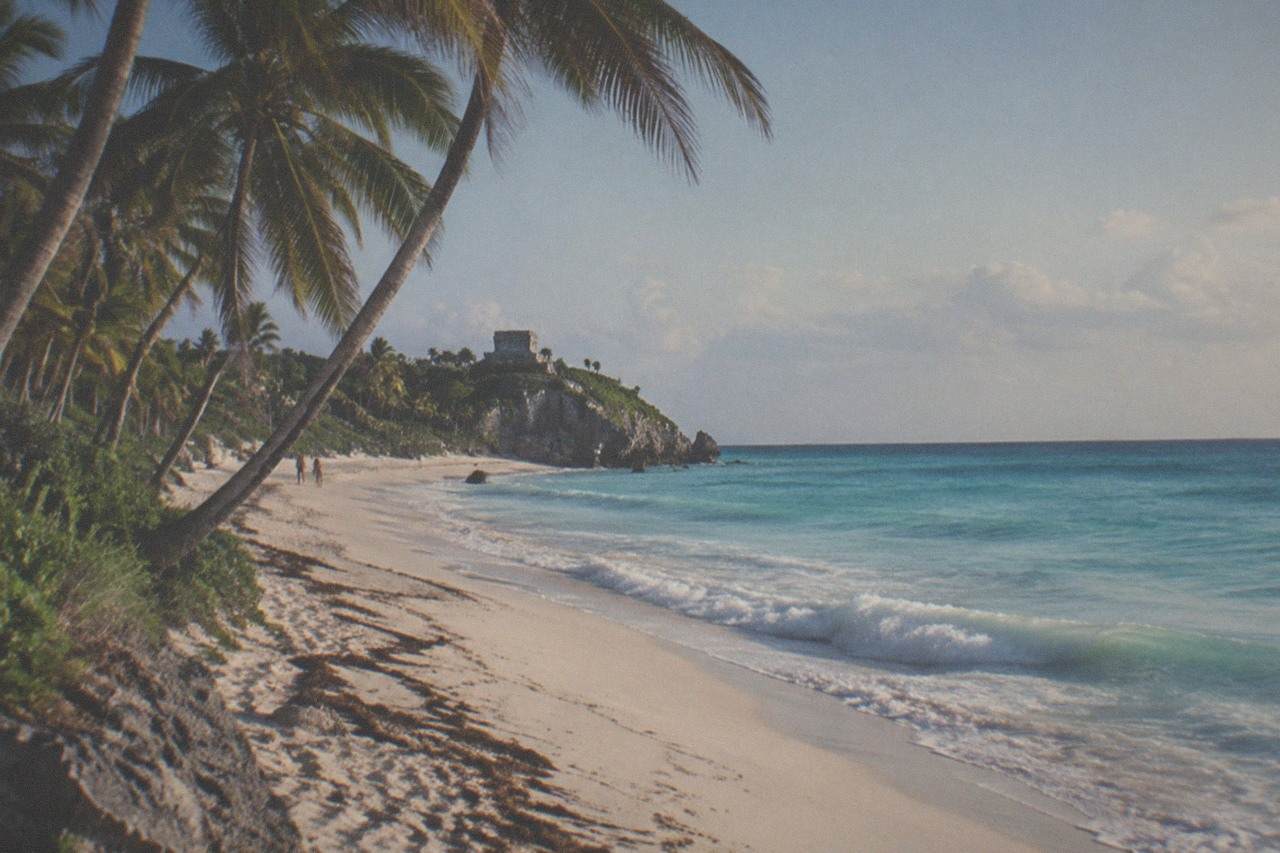
What genuinely differs is what the two towns are for. Cancún is a purpose-built resort city at the north end of the coast: high-rise hotels on the water, a huge airport twenty minutes from the hotel zone, big clubs, and day tours fanning out toward Isla Mujeres and Chichén Itzá. Tulum is at the south end: a two-road town of low-rise hotels, beach clubs, jungle-sheltered cenotes within twenty minutes of the centre, and a bohemian food scene that grew up around the ruins on the cliff. One is infrastructure, the other is atmosphere.
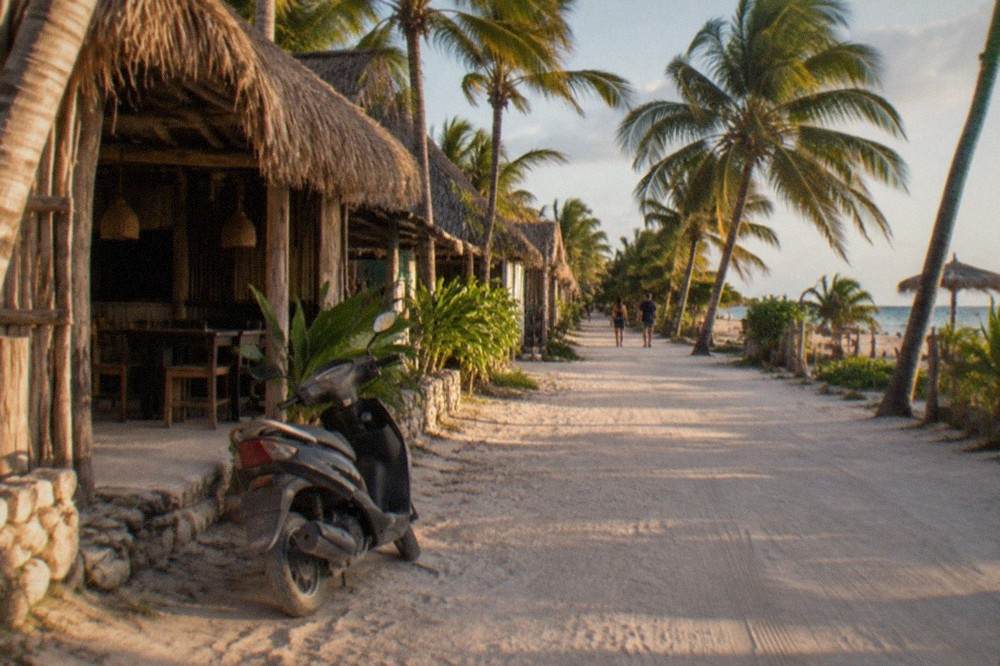
The honest framing is this: people who choose Tulum are usually buying proximity to water, jungle and small-scale everything, and accepting a longer transfer and higher prices for dinner. People who choose Cancún are buying convenience and choice, and accepting a resort strip that can feel interchangeable with any other in the Caribbean. If you are planning around either town and want a deeper look at the southern option, the Tours in Playa del Carmen roster covers Tulum day trips in detail, since Playa del Carmen sits between the two and reaches both easily.
If you are leaning Tulum and want to lock in the classic day, the three tours below are the ones that show the town's range: the ruins-plus-cenote combo, a private Coba ruins trip with a cenote swim, and a biosphere boat day with dolphins and turtles.
The sections below take the question apart piece by piece: the official safety position, the day-to-day feel of each town, how you actually get between them, and which tours are easier to run from each base.
How Safe Are Tulum And Cancun Really?
Both towns fall under the same Level 2 advisory for Quintana Roo, which advises increased caution, not avoidance, and its practical guidance is behavioural: stay alert after dark downtown, keep to well-lit pedestrian streets and tourist zones, and use licensed transport. Credible reporting on incidents in the region through 2025 and 2026 points to local disputes and targeted crime rather than violence aimed at visitors. Tourist zones in both towns carry a heavy, visible security presence.
It helps to understand what a Level 2 advisory is and is not. It is the same rating the State Department attaches to large parts of the tourist world, and for Quintana Roo it has been stable across successive updates. It is not a warning to stay away. The text asks for the same precautions a sensible traveller takes in any unfamiliar city after dark.
The incidents that make local news in the region are real, and reading them matters for an honest picture, but their pattern matters more. Reporting in 2025 and 2026 describes disputes between ride-hailing and taxi interests on the federal highway, arrests tied to neighbourhood kidnappings, and targeted attacks in residential or restaurant settings. These events are frightening for the people involved, and none of them describe a campaign against tourists. The advisory's own language, that bystanders have been injured in violence between rival groups, is exactly why the after-dark guidance exists.
What that means day to day is mundane. In Cancún, the hotel zone and the main tourist corridors are the most heavily patrolled stretch of the state. In Tulum, the beach road and the town centre have a steady police and National Guard presence, and the ruins area is screened at entry. In both towns the realistic risks a visitor actually faces are the ordinary ones: petty theft, unlicensed taxi overcharging, and drink-spiking in nightlife settings. Those risks respond to ordinary precautions, not to which town you pick.
For readers working through the safety question for the whole coast, the deeper breakdown of neighbourhoods, transport and advisory mechanics lives in the Playa del Carmen safety guide, and the same logic applies town to town along Highway 307.
What Actually Differs Between The Two Towns?
The real differences are scale and setting, not safety. Cancún concentrates high-rise hotels, big nightlife and the fastest airport access on a narrow sandbar, while Tulum spreads low-rise hotels along a bohemian beach strip with jungle and cenotes behind it and a biosphere to the south. Cancún feels engineered for convenience; Tulum feels assembled from its landscape, at the cost of higher prices and slower logistics.
Scale is the first thing you notice. Cancún's hotel zone is a continuous strip of towers, and everything about it, the buses, the malls, the ferry piers, is built to move large numbers of people through a small space efficiently. Tulum's hotel zone is a two-lane beach road where low buildings sit behind palm lines, traffic crawls, and dinner reservations can require a bicycle. The crowds are different animals: Cancún absorbs tour groups and spring break volume, while Tulum's pressure point is the beach road itself, which backs up badly in peak season.
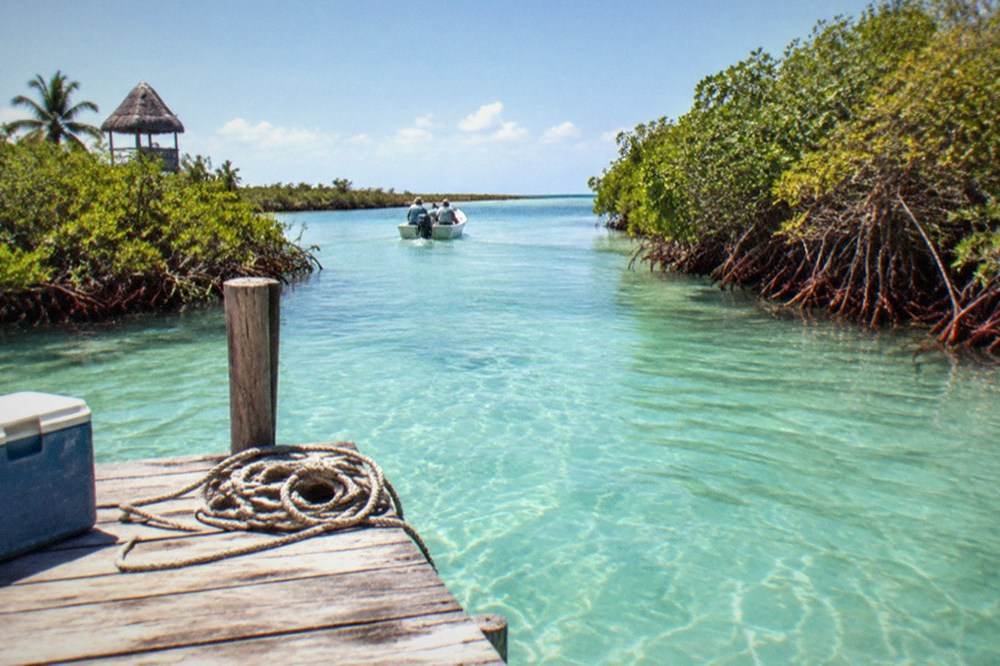
Setting is the second difference, and it favours Tulum for most nature-minded travellers. Behind Tulum's coast lies one of the densest cenote belts in the Yucatán, with swimmable sinkholes within a short drive of town, and to the south the Sian Ka'an Biosphere Reserve, a UNESCO site of lagoons, mangroves and reef. Cancún's surroundings are flatter and more developed, with its standout nature day, Isla Mujeres, lying offshore rather than inland. The water on both coasts is the same Caribbean, though exposure to open Atlantic swell and seasonal current differs beach to beach.
| What you're buying | Cancún | Tulum |
|---|---|---|
| Hotel stock | High-rise resorts, big brands, all-inclusives | Low-rise boutique hotels, beach cabañas, fewer all-inclusives |
| Airport distance | Twenty minutes from the hotel zone | Roughly ninety minutes to two hours from Cancún airport |
| Nightlife | Large clubs, a dedicated party zone | Smaller beach clubs, cocktail bars, jungle venues |
| Nature within a short drive | Isla Mujeres and offshore reef by boat | Cenotes within twenty minutes, Sian Ka'an to the south |
| Ruins access | Chichén Itzá day tours, longer drives | Tulum ruins on the cliff at the edge of town |
| Pace | Fast, service-oriented, traffic-managed | Slow, bicycle-friendly, congestion-prone beach road |
| Price level at dinner | Resort and mall pricing, wide range | Notoriously high for the region |
One planning fact that applies to both towns equally, and that most comparison articles miss: every foreign visitor to Quintana Roo, all ages included, owes the state visitor tax known as VISITAX, roughly 283 MXN, about $15 USD, payable online through the official VISITAX portal before departure to receive a QR code. Mexican nationals and residents are exempt, and the tax is generally not bundled into airfare. Choosing Tulum over Cancún, or the reverse, does not change this obligation in any way.
Both towns also share the same weather calendar. The official NOAA Atlantic hurricane season runs June 1 to November 30 with peak activity typically August through October, and the regional dry season runs roughly November to April; NOAA's hurricane climatology page is the primary reference. If your trip lands in the back half of the rainy season, either town can see heavy rain, and neither is meaningfully more sheltered than the other.
There is a third option worth naming before the transport section: Playa del Carmen sits between the two, walking-scale and ferry-linked, and many travellers end up basing there precisely because it splits the difference. The comparison of the four main bases covers that trade-off in full if Tulum versus Cancún turns out not to be the real question.
Is Tulum calling? You can see the ruins, swim a cenote and be back for dinner.
How Do You Get To Tulum And Cancun?
Cancún wins the transport contest outright. Cancún airport sits twenty minutes from the hotel zone, while Tulum is roughly ninety minutes to two hours further down Highway 307 from the same airport. Once you are on the coast, the towns are linked by cheap, frequent ADO buses and colectivo vans, with a Playa del Carmen to Tulum colectivo costing roughly 50 to 80 MXN and the run taking around an hour to ninety minutes.
The airport gap is the practical heart of the logistics comparison. Cancún International is the region's main hub, and a private transfer to Playa del Carmen, the halfway point, typically runs $70 to $88 USD per vehicle for a group of up to eight or ten passengers, taking 60 to 75 minutes. Tulum adds another hour or more south of that. Arriving late at night with family, that difference is a real cost in both money and patience, and it is the single strongest argument for Cancún as a base.
Once installed anywhere on the coast, moving between the towns is inexpensive. ADO buses are air-conditioned and run multiple times per hour on the key routes, with the Playa del Carmen to Cancún downtown leg at roughly 152 to 200 MXN and the Playa del Carmen to Tulum leg in a similar low band. Colectivos, shared vans that leave when full, are cheaper still, often departing every five to fifteen minutes in daytime, though they make stops along the highway on request. Taxis between towns are the expensive option, with a Playa del Carmen to Tulum ride reported around 600 MXN, about $30 USD, and inter-city taxis are generally not metered, so agree the fare first.
| Leg | Option | Typical cost | Typical time |
|---|---|---|---|
| Cancún airport to Playa del Carmen | ADO bus | Roughly 232 to 270 MXN, about $11 to $14 per person | 1 to 1.75 hours |
| Cancún airport to Playa del Carmen | Private transfer | Commonly $70 to $88 per vehicle, up to 8-10 seats | 50 to 75 minutes |
| Playa del Carmen to Tulum | Colectivo van | Roughly 50 to 80 MXN, about $3 to $4 per person | 1 to 1.5 hours |
| Playa del Carmen to Cancún downtown | ADO bus | Roughly 152 to 200 MXN | 1 to 1.5 hours |
| Playa del Carmen to Tulum | Taxi, agreed fare | Reported around 600 MXN, about $30 | 45 to 75 minutes |
The planning takeaway is that neither town is hard to reach; one is simply closer to the plane. If your trip is short, say four nights or fewer, the transfer math often decides the question by itself. If you have a week, the extra hour south is a small price for the setting.
Which Tours Are Easier From Each Base?
Cancún runs toward the water: Isla Mujeres catamarans, reef snorkelling, and long-haul day trips to Chichén Itzá. Tulum runs toward land and the coast south of it: the cliff ruins, inland cenotes, Coba, and Sian Ka'an biosphere boats. The flagship Tulum day tour from this site runs from $34.05 and carries 4.6 across 446 reviews, making it one of the most review-backed day trips on the Riviera Maya.
The Tulum ruins themselves anchor the difference. They are small, walkable in a couple of hours, and set on a cliff above the Caribbean, the only major Maya site you can visit and swim in the same morning. Entry involves layered fees, INAH admission plus park components, that commonly bring a foreign visitor's total into the roughly 265 to 625 MXN range depending on the structure in effect; this fee breakdown tracks the components. A tour that bundles the ruins with transport and a cenote removes the fee wrangling entirely, which is a real part of their value.
That is exactly what the most popular Tulum day trip from the middle of the coast does. The Tulum Ruins, Cenote Mariposa and Playa del Carmen tour combines the archaeological zone, a swim in Cenote Mariposa and return transport from Playa del Carmen, and it carries 4.6 across 446 reviews, one of the deepest review pools of any Tulum trip on the roster. At from $34.05 it is also one of the least expensive ways into the ruins, cheaper than most Cancún-side equivalents once transfer is counted.
For a quieter, less crowded ruin, the private Coba option is the interesting contrast. Coba sits inland amid forest, you move between temple groups under trees rather than across open plaza, and the site's entry is straightforward by regional standards, 210 MXN for foreign visitors, 105 MXN for nationals, with some accounts of an additional community fee around 120 MXN at the gate. The private tour from this site pairs the ruins with a cenote swim, runs from $214, and holds a perfect 5.0 from 88 reviews, a small but genuinely flawless pool.
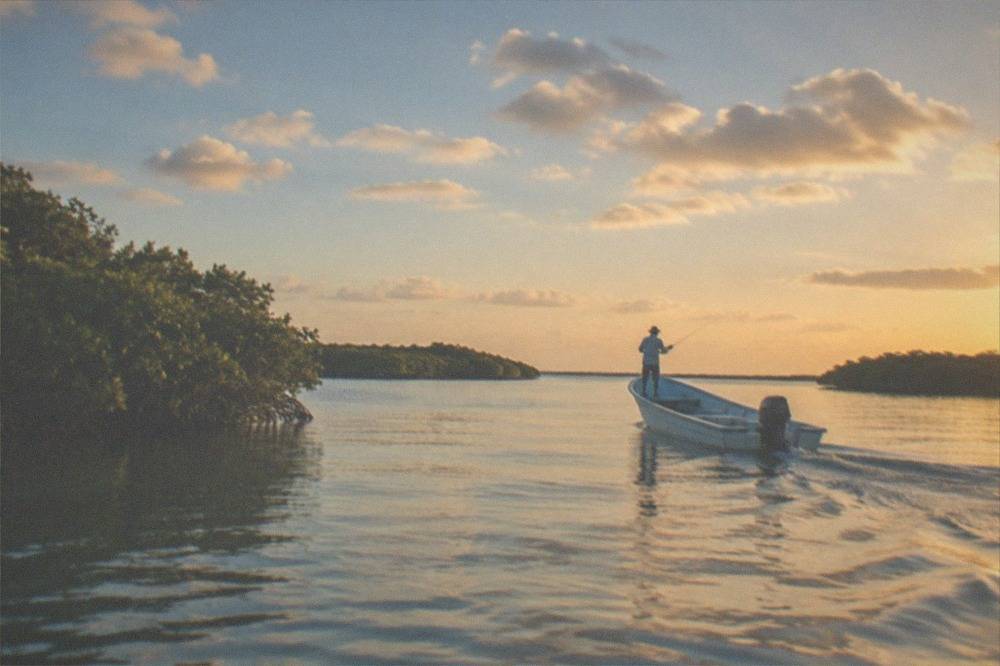
South of Tulum, the Sian Ka'an Biosphere Reserve is the town's signature long day, a boat trip through lagoons and mangrove channels past dolphins, turtles and birdlife, with a CONANP entrance fee of 225 MXN per person that tours commonly fold into the price. The dolphins and turtles day trip from this site lists at from $194 and carries 4.9 from 38 reviews; that rating is confirmed, but the review pool is small, so treat the social proof lightly and read the listing itself. Full-day tours from the coast commonly run seven to thirteen hours door to door.
From Cancún, the equivalent flagship days look different. The Isla Mujeres cruise with beach club, snorkelling, lunch and open bar is the coast's biggest seller by review count, 2,618 reviews, though its 4.0 rating sits below the strong-tour threshold of 4.4, so read the recent reviews before booking. Cancún's Chichén Itza departures run the same site as Tulum's, just with a longer drive, which is why many Chichén Itza-bound travellers base themselves in the middle of the coast or south of it. If you are weighing Tulum against its quieter southern neighbour instead, the Tulum or Akumal comparison covers that pairing.
If you have settled on Tulum, or on the Tulum day from anywhere on the coast, these are the three tours that best show what the town and its surroundings can do in a single day.
Common Questions About Tulum And Cancun
Is Tulum Nicer (And Safer) Than Cancun?
Nicer depends on taste: Tulum is lower-rise, nature-forward and slower, while Cancún has bigger hotels, faster airport access and wider nightlife. On safety there is no tier difference; the U.S. State Department rates the whole state of Quintana Roo, both towns included, at Level 2, Exercise Increased Caution, with identical practical guidance for each.
Is Cancún or Tulum better for first-time visitors?
Cancún is usually easier for a first trip: the airport is twenty minutes from the hotels, transport is abundant and most services run in English at resort scale. Tulum rewards travellers comfortable with slower logistics, bicycles and DIY planning, and it pays them back with cenotes and jungle at the doorstep.
Is it safe to walk at night in Tulum or Cancún?
The advisory's guidance for both towns is the same: stick to well-lit pedestrian streets and tourist zones after dark, stay alert in downtown areas, and use licensed transport rather than walking long distances between districts. That is ordinary city caution, applied identically in either town.
Do I need to pay the visitor tax in both towns?
Yes. VISITAX, roughly 283 MXN or about $15 USD, is a state tax on foreign visitors of all ages and applies whether you stay in Tulum, Cancún or anywhere else in Quintana Roo. Pay it online before departure through the official portal and keep the QR code; it is generally not bundled into airfare.
Which town is closer to the cenotes?
Tulum, by a wide margin. Swimmable cenotes sit within a short drive of Tulum itself, and the town is the natural base for a cenote-and-ruins loop. From Cancún, cenote trips mean a full day on the highway south, which is why many travellers base mid-coast at Playa del Carmen instead.
Which is cheaper, Tulum or Cancún?
Cancún generally wins on lodging and flights, thanks to resort-scale competition and the main airport. Tulum generally loses on food and drink, where beach-road pricing is the highest on the coast. Transport within the region is cheap from either town, with colectivos and ADO buses linking all the main bases for a few dollars.