Akumal Turtles Tour From Playa Del Carmen
Akumal Bay is the Riviera Maya's turtle heartland, 30 minutes south of Playa del Carmen. Here is what is actually bookable right now, what the September 2026 pause means, and what the rules will be when guided turtle swimming resumes.
Short answer
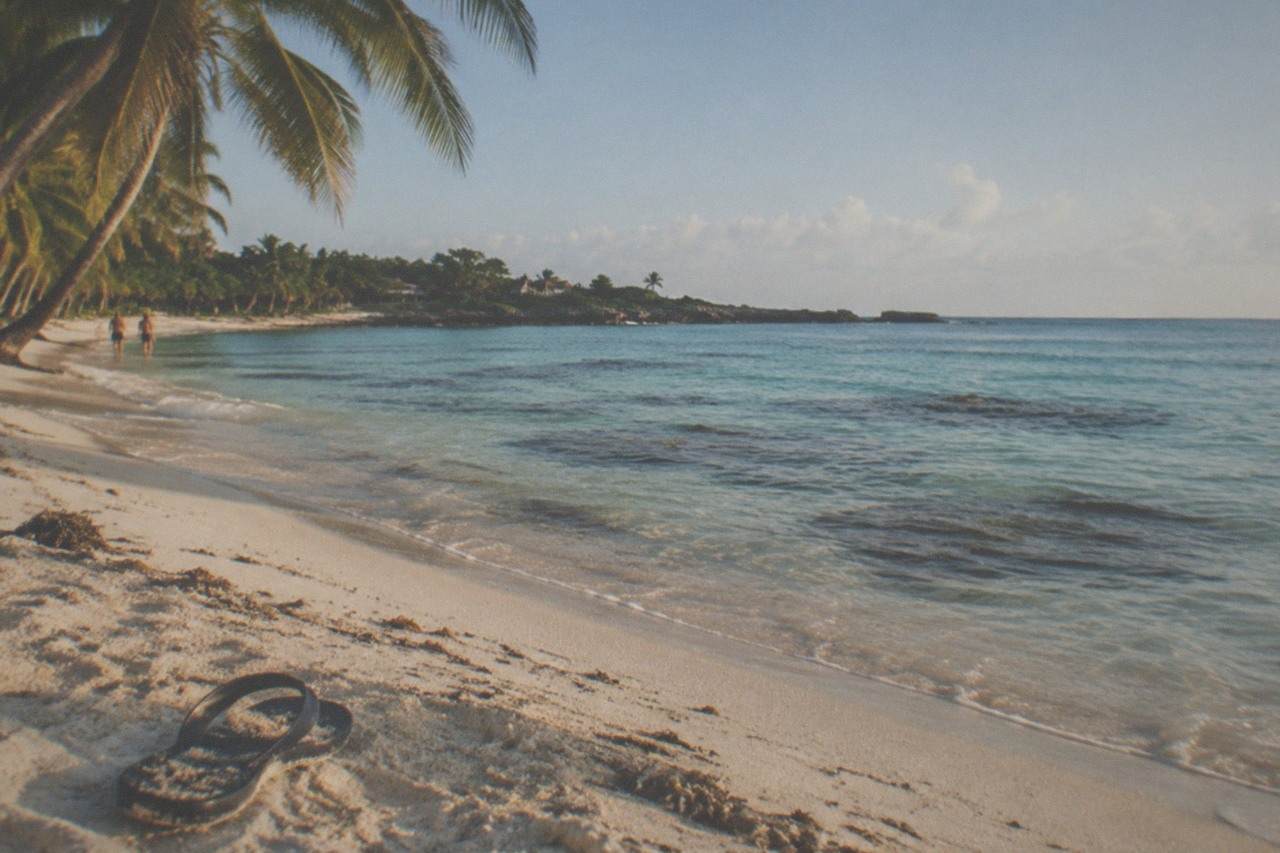
Turtle swimming at Akumal Bay is paused for September 2026 under a conservation program, with boat and lagoon alternatives offered instead. Akumal sits 30-38 km south of Playa del Carmen, a 25-35 minute drive. On-site licensed tours typically run $25-40, and group sizes are capped at roughly six swimmers per authorized guide.
The single most important fact about Akumal right now is also the least advertised one: turtle swimming is paused. Akumal Bay, the stretch of protected water 30-38 km south of Playa del Carmen where resident green sea turtles graze on seagrass in plain view, suspends its guided turtle-swim and sighting tours for the full month of September 2026. The pause is a Semarnat conservation measure, part of the bay's management plan, and operators have responded by offering boat trips, lagoon excursions, and fishing instead. The bay itself stays open. The beach stays public. The general snorkeling stays possible in the designated near-shore zones. What stops, for this month, is the specific guided swim inside the protected turtle zone.
That distinction matters for anyone shopping for an "akumal turtles tour" this season, because listings do not always say it plainly. This guide separates what is paused, what is still running, what the rules will be when the guided swim resumes, and what a day at Akumal costs and looks like from a base in Playa del Carmen.
Can You Swim With Turtles At Akumal Right Now?
No. Turtle swimming at Akumal Bay is paused for the full month of September 2026, part of a Semarnat conservation program that suspends turtle-swim and sighting tours so the seagrass beds and resident turtles get a scheduled rest. Operators are offering boat, lagoon, and fishing alternatives instead, while the pause holds and the bay's other activities continue.
The pause is not a rumor and not a closure. Regional reporting through late August and September 2026 confirmed that tours would stop for the month, framed by the bay's managers as ecosystem rest built into the annual permits. A February pause has also been referenced in prior years, so a September suspension should be read as a recurring conservation window rather than a one-off incident. If you are traveling in October or later, the guided swim is expected to resume under the same rule set described below. If you are traveling in September, plan around it.
What the pause does not stop is considerable. Beach access at Akumal is public and federal, with no access ticket of its own. Independent snorkeling remains possible in the designated near-shore green, or free-swim, areas close to the beach, though turtle sightings there are far less reliable because the animals concentrate in the deeper protected zones. Boat and lagoon trips run in place of the turtle swim, and the surrounding coast, cenotes, and eco-parks are unaffected. The half-day Akumal beach and snorkel experience sold through this site, 4.5 from 96 reviews and from $89.59, remains a bookable product; the turtle-viewing component is what is suspended, and the live listing carries the current itinerary.
One practical warning worth carrying from the start: avoid unofficial highway "ticket" sellers near the Akumal turnoff. Beach access is free and federal; the only legitimate charges are for facilities, parking, and guided activities.
How Far Is Akumal From Playa Del Carmen?
Akumal sits roughly 30-38 km south of Playa del Carmen along Highway 307, a drive of 25-35 minutes in normal traffic. Colectivos run the route for about 40-60 MXN per person, taxis cost more, and organized tours fold door-to-door transport from Playa hotels into the listed price.
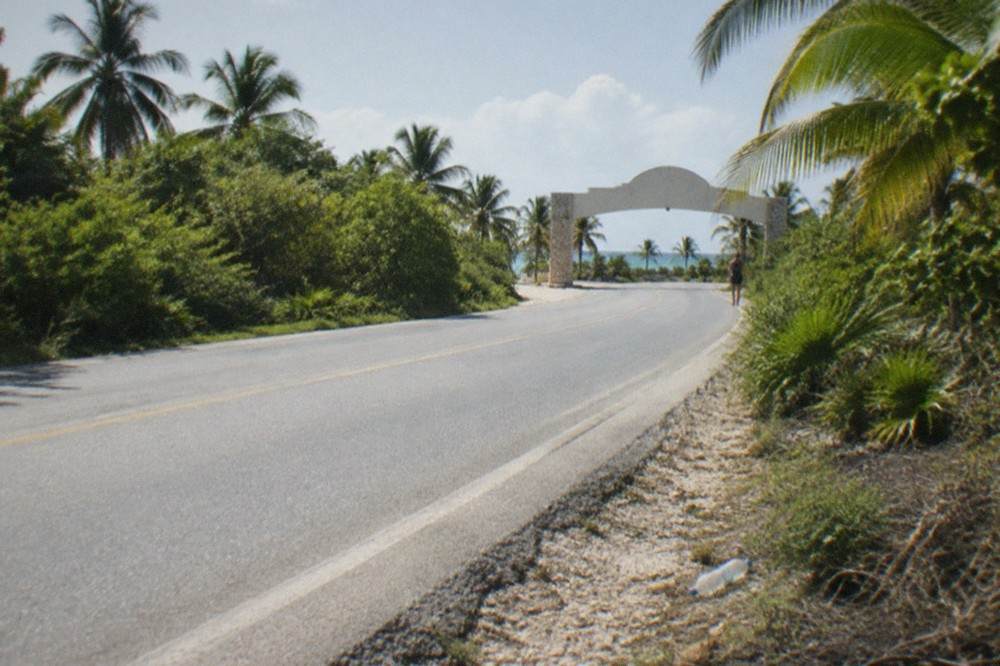
The drive is one of the easiest half-day trips on the Riviera Maya. Highway 307 runs straight south past Puerto Aventuras, and the Akumal arch marks the turnoff from the highway down to the bay. Traffic is light outside peak morning and late-afternoon windows, and the road is fully paved the whole way.
Four transport options cover almost every traveler, and the price spread between them is wide enough to be worth a decision.
| Option | Typical cost | Time | Notes |
|---|---|---|---|
| Colectivo (shared van) | 40-60 MXN per person | 20-35+ minutes | Leave when full, frequent daytime service, drops on the highway |
| Taxi from Playa | Negotiated fare, agree before boarding | 25-35 minutes | Confirm the price to the Akumal arch, not just "Akumal" |
| Rental car | Daily rate plus fuel | 25-35 minutes | Suits travelers pairing Akumal with cenotes or Tulum |
| Organized tour | Included in tour price | Pickup ~7-9 AM typical | Door-to-door hotel service, guide included |
If you go independently, parking at the official lots near the entrance arch runs about 100 MXN for the day, and the smaller hourly lots fill quickly in the morning. The colectivo is the budget default and drops you within a short walk of the arch, but check the return schedule toward Playa, since service thins in the late afternoon.
For a first visit, especially in a month when the turtle swim is paused and the day needs padding with other stops, an organized tour earns its keep. The half-day Akumal product pairs the beach and snorkel experience with transport, and the broader trio below shows how it sits against two full-day park alternatives at different price points.
How Much Does An Akumal Turtles Tour Cost?
On-site licensed tours at Akumal Bay typically run $25-40 per person, often bundling the guide, vest, and access elements. Online listings cluster around $36-45, with Playa del Carmen or Cancun combos from $99 up. Add the Tsuuk facilities fee of roughly 120-140 MXN and parking near 100 MXN if you arrive independently.
The honest cost picture has three layers. The first is the activity itself: booking locally, at the kiosk or through a licensed cooperative on the beach, is usually the cheapest route, though inclusions vary and some prices sit above or below small environmental or cooperative fees. The second layer is the site's own charges: the Tsuuk Akumal natural park facilities, covering restrooms, showers, lockers, and changing rooms, run around 120-140 MXN per person, with lower rates for Quintana Roo residents and free entry for young children and seniors with ID. The third layer is getting there, which the transport table above already covers.
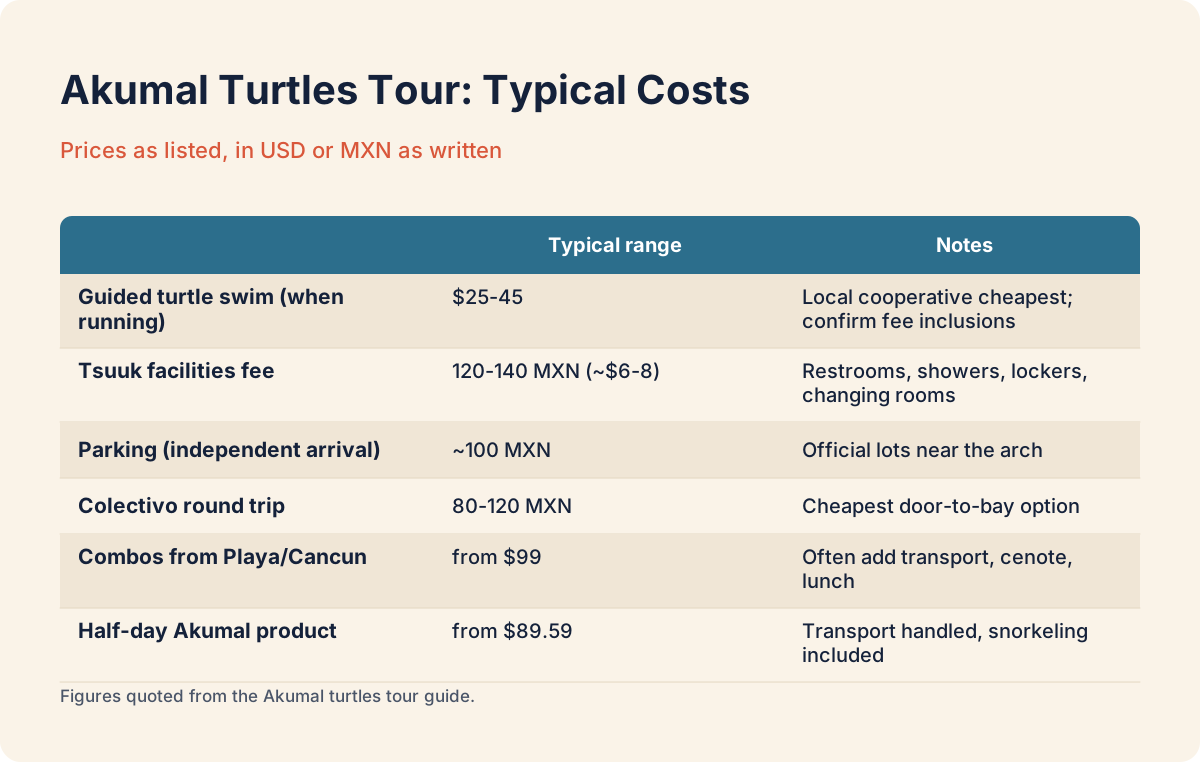
A realistic budgeting table for one person traveling from Playa del Carmen, priced at the midpoints of the ranges above:
| Item | Typical range | Notes |
|---|---|---|
| Guided turtle swim (when running) | $25-45 | Local cooperative cheapest; confirm what the fee includes |
| Tsuuk facilities fee | 120-140 MXN (~$6-8) | Restrooms, showers, lockers, changing rooms |
| Parking (independent arrival) | ~100 MXN | Official lots near the arch |
| Colectivo round trip | 80-120 MXN | Cheapest door-to-bay option |
| Combos from Playa/Cancun | from $99 | Often add transport, cenote, lunch |
Two cautions on price. First, prices can include or exclude the small environmental and cooperative fees depending on the operator, so confirm inclusions before paying rather than assuming. Second, September's pause changes what the "tour" part of the price buys: while turtle swimming is suspended, the bookable products are the beach-and-snorkel experience and the boat and lagoon alternatives, and the on-the-day price for those should reflect the reduced program.
If a half-day at the bay is the anchor of your plan, the half-day Akumal product from $89.59 is the direct route: transport handled, snorkeling included, and a structure that survives the turtle pause.
What Rules Govern Turtle Swimming At Akumal Bay?
Akumal Bay is a federally protected marine refuge in which a CONANP-authorized guide is required to enter the buoyed turtle zone. Rules cap groups at roughly six swimmers per guide, make life vests mandatory, set a distance of about three meters from turtles, limit sessions to 45-55 minutes, and allow only biodegradable sunscreen, with no touching at any time.
The refuge designation dates to roughly 2016-2017, and it exists to protect the seagrass beds where the bay's green turtles feed and rest. Independent entry into the protected, buoyed zone is not permitted; access runs through the official kiosk and authorized local cooperatives. Rules are actively enforced, and violations can draw fines.
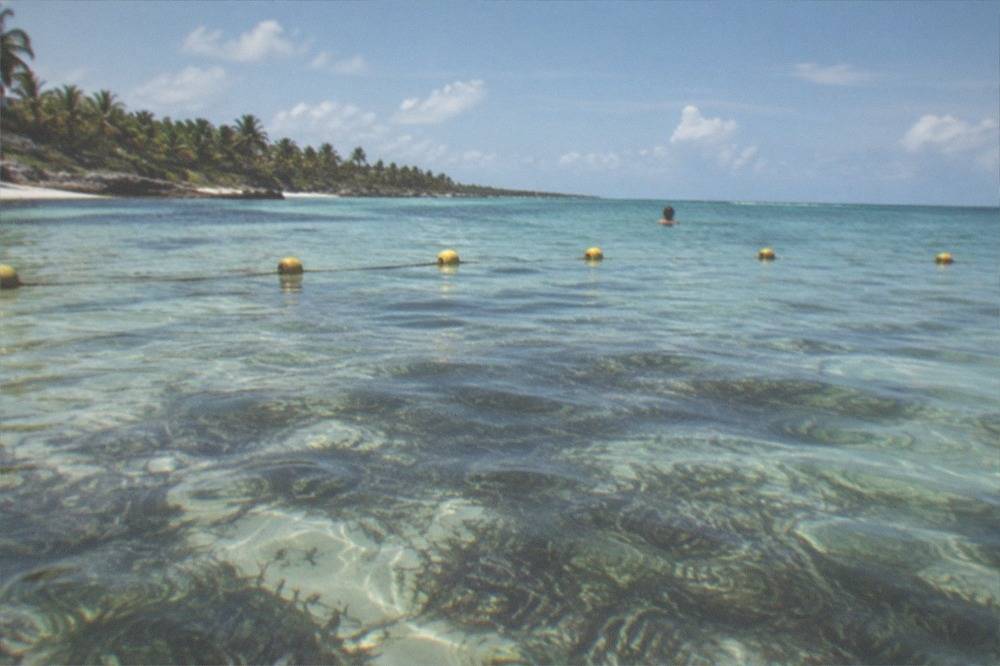
The full rule set, in force whenever the guided swim is running:
| Rule | Requirement |
|---|---|
| Guide | CONANP/SEMARNAT-authorized, via local cooperatives |
| Group size | Roughly 6 swimmers per guide maximum |
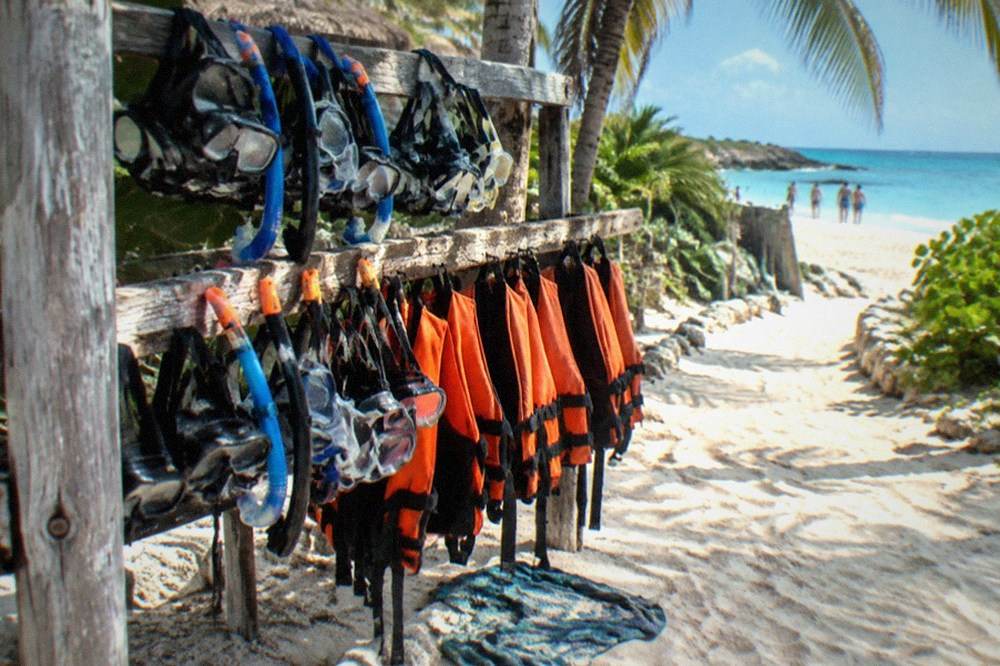
| Flotation | Life vest mandatory in the turtle zone |
| Distance from turtles | About 3 meters; no touching, chasing, feeding, or blocking surfacing |
| Session length | Roughly 45-55 minutes in the regulated zone |
| Fins and seagrass | No kicking on seagrass in sensitive areas |
| Sunscreen | Biodegradable or reef-safe only, or none |
| Operating hours | Typically 8 AM to 5 PM |
The official CONANP notice on the resumption of turtle swimming at Akumal sets out the authorized framework, and it is the source behind the guide requirement described here: the CONANP announcement on swimming with turtles at Akumal.
The sunscreen rule deserves a special note because it trips up more visitors than any other. The biodegradable requirement is not one uniform statewide law but a widely enforced site rule at most managed cenotes, marine parks, and protected sites across Quintana Roo, aimed at keeping oxybenzone and octinoxate out of fragile freshwater and reef systems. At Akumal, conventional sunscreen is commonly refused or requires a rinse-off shower before you enter the water. Bring a mineral, zinc- or titanium-based product, or plan to skip sunscreen for the swim itself and cover up with a rash guard instead.
None of this applies only to the guided swim window. Even in the free-swim green zones near the beach, the vest rule and the distance norms are enforced, and the same sunscreen logic protects the seagrass there.
When Is The Best Time To See Turtles At Akumal?
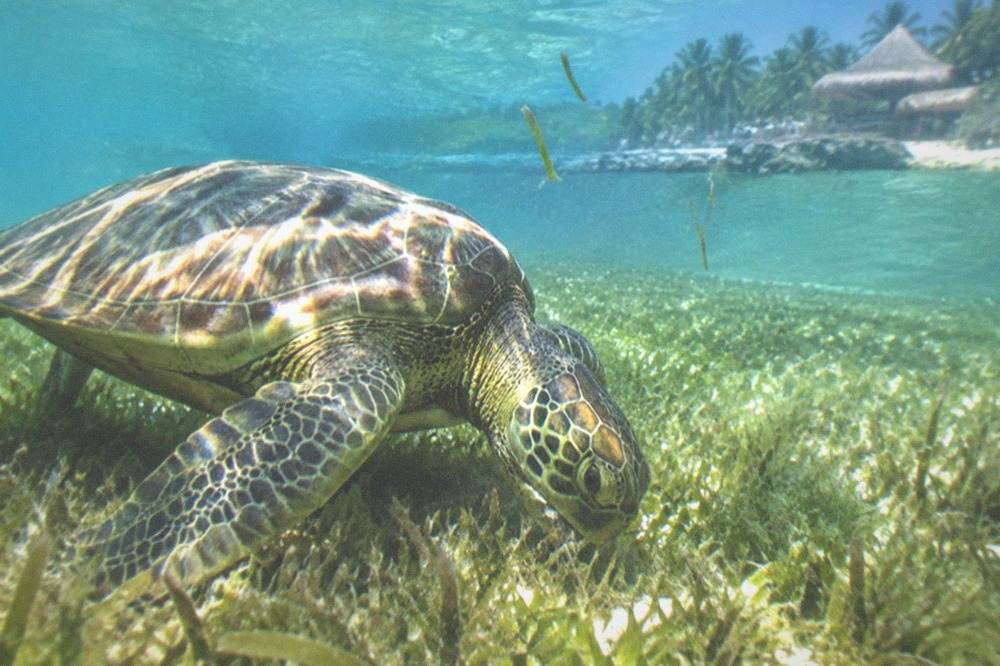
Resident green sea turtles feed in Akumal Bay year-round, so the animals are present in every season. Peak sightings and nesting activity run May through November, and October to November is often called the best overall window because turtle presence stays strong while sargassum clears and crowds thin. Early morning, roughly 8 to 11 AM, is the best time of day.
The seasonal logic stacks three variables. Turtle presence peaks in the middle and late rainy season. Sargassum, the seaweed that has made 2026 a record year on this coast, peaks in the summer months and declines through September into the cleaner November-to-April window. Crowd pressure peaks whenever tour buses from Cancun and the cruise side arrive, which is mid-morning through mid-afternoon. October and November are where those curves overlap favorably, and early morning is when the water is calmest, visibility is best, and the turtles are actively feeding before the groups arrive. Late afternoon, around 3 to 5 PM, can also work as the tour traffic thins.
There is a hurricane-season footnote to any May-to-October plan on this coast. The official Atlantic hurricane season runs June 1 to November 30, with peak activity typically August through October, as NOAA's hurricane climatology records; the regional rainy season runs roughly May to October with afternoon showers. None of that makes Akumal unbookable in summer, but it makes a flexible cancellation policy worth more than a fixed itinerary in those months. The same seasonal logic applies to the wider coast, and if your dates are movable, the best time to visit Playa del Carmen breaks the trade-offs down month by month.
If your trip falls in the sargassum-heavy summer, a turtle-focused itinerary does better inland or on protected water. The Sian Ka'an day trip from this site's roster, 4.9 from 38 reviews and from $194, runs boat routes through lagoons and canals where the turtles, dolphins, and birds of the biosphere show up on the ecosystem's schedule rather than the seaweed's.
What Can You Do Around Akumal While The Turtle Swim Is Paused?
The bay still works as a beach and snorkeling day: independent swimming continues in the designated near-shore green zones, boat and lagoon trips replace the turtle swim, and the surrounding coast supplies Casa Cenote's mangrove snorkeling, the cenote belt, and the big Grupo Xcaret parks within easy range. The pause stops one activity, not the destination.
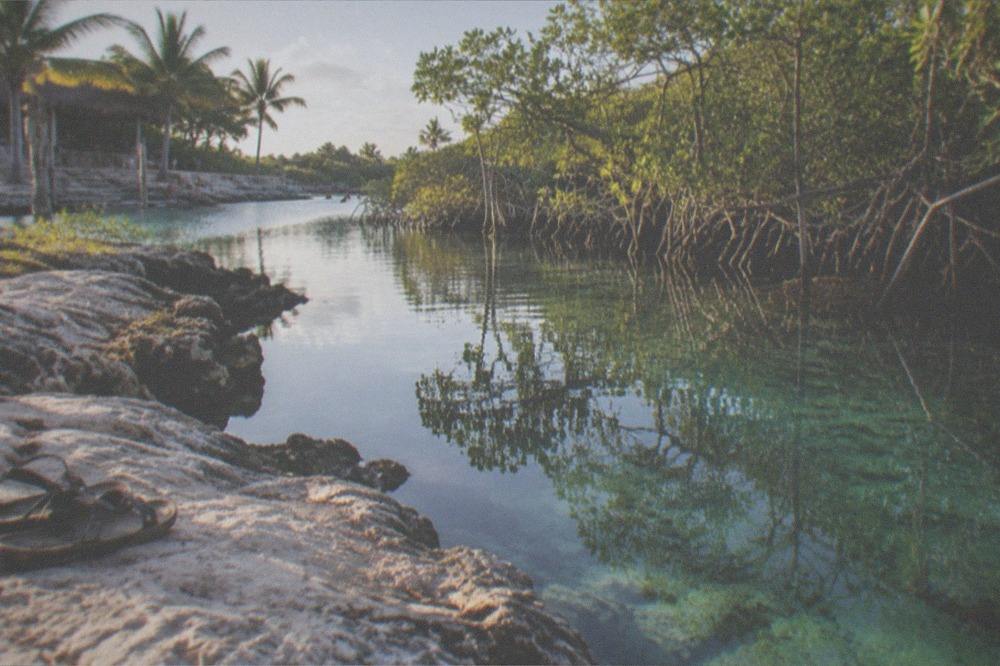
Start with what is closest. Casa Cenote, the open mangrove cenote in the Akumal area, charges about 150 MXN for a swim with life jacket included, runs daily from morning to late afternoon, and suits beginners in its shallow, calm water. It is the natural pairing with an Akumal beach morning, and it keeps the day water-focused even without the turtle swim. Deeper inland, the cenote cluster around Playa del Carmen and Tulum covers every type from open garden pools to guided cave systems, and the cenote tours from Playa del Carmen guide maps the ones worth the drive.
For a full-day swap rather than a half-day fill, the eco-park route is the strongest alternative. Xel-Ha's all-inclusive inlet day, 4.5 from 177 reviews and from $218 on this site's roster, is built around exactly the kind of easy, gear-included snorkeling that Akumal delivers in a wilder, lighter format, and the Xcaret tickets and tours from Playa del Carmen guide compares the full park family. South of Akumal, the Sian Ka'an biosphere tour covers the wildlife-and-water day at the reserve scale.
If you would rather stay on the Akumal strip itself, the practical alternative stack looks like this:
| Alternative | What it is | Best for |
|---|---|---|
| Boat or lagoon trip | The operator substitute for the paused turtle swim | Wildlife on the water without the guided swim |
| Free-swim green zones | Independent near-shore snorkeling | Budget days; sightings less reliable |
| Casa Cenote | Mangrove cenote, ~150 MXN, vest included | Calm beginner water close by |
| Xel-Ha all-inclusive | Park inlet day with gear and food | A full, structured water day |
| Sian Ka'an reserve | Lagoon and canal boat routes in a UNESCO biosphere | Wildlife and scale |
One planning note that applies to every foreign visitor in Quintana Roo, Akumal included: the state's VISITAX visitor tax runs roughly 283 MXN, about $15, is mandatory for international visitors of all ages, and is paid online through the official VISITAX portal before departure to get a QR code. It is generally not bundled into airfare, so it needs a deliberate step.
A Tulum-and-cenote combo from the roster, 4.6 from 446 reviews and from $34.05, is the value contrast in this family of day trips: ruins plus a cenote stop at a price far below any park day.
Are There Crocodiles In Mexican Cenotes?
Not in the cenotes most travelers swim in. The region's freshwater crocodiles favor open lagoons, mangrove channels, and slow coastal water bodies, which is a different habitat from the enclosed cave and cavern cenotes that dominate tour itineraries. Casa Cenote's mangrove setting near Akumal is the classic example of crocodile-capable water.
The distinction is habitat, not geography. The cave systems at Dos Ojos or Chaak Tun, the garden pools at Cenote Azul or Jardin del Eden, are deep inland, fully enclosed or semi-enclosed freshwater with no mangrove margin, and they are not where these animals live. Open, brackish, mangrove-fringed water bodies connected to coastal wetlands are, and Casa Cenote, precisely because it sits in a mangrove system, is the cenote where crocodile presence is part of the local ecology and where operators brief swimmers accordingly.
If the question is on your list because a cenote swim is on your itinerary, the dedicated article on this site goes deeper: are there crocodiles in Mexican cenotes. The short version for Akumal planning: the beach and the turtle zone are open Caribbean water where crocodiles are not a factor, and the one nearby cenote in mangrove habitat is the place where the question is genuinely worth asking before you swim.
For most visitors the crocodile question resolves into the same advice as every other water-safety question on this coast: swim in managed, patrolled locations, follow the local briefing, and do not seek out unsupervised lagoons at dusk.
Is Akumal Worth Visiting Without The Turtle Swim?
Yes, if you adjust expectations rather than cancel the trip. Akumal's beach is public, near-shore snorkeling continues in the designated green zones, turtles can still appear outside the regulated area though sightings are far less reliable, and the pause applies only to the guided swim, not to visiting the bay, its beach, its facilities, or its dive shops and restaurants.
Honest framing helps here. Akumal built its reputation on being the place where you float above grazing turtles in waist-deep water, and in a paused month you should not book the day expecting that moment. What you get instead is a genuinely pretty, calm, swimmable bay within half an hour of Playa del Carmen, a turtle population that is still in the water, a mangrove cenote down the road, and an easy pairing with Tulum or the cenote belt. Travelers who report a wasted Akumal day in a paused month are usually travelers who booked the beach but expected the swim.
The counter-case is real too. If the turtles are the entire reason for the trip and your dates fall inside a pause month, the stronger move is to shift the turtle ambition elsewhere in the region rather than downgrade it. The big parks and the biosphere give you wildlife and water at full program, and a boat trip inside Akumal itself keeps a version of the marine experience running. Whatever you choose, check the current status on the operator's live listing before you lock a date, because pause windows and resumption dates move with the permit calendar.
The three products below are the working shortlist for exactly that decision: the Akumal half-day itself, the all-inclusive inlet park, and the adventure park, at three different price points and three different answers to "what does the day look like without the turtle swim."
Whatever you book from this page, the wider Tours in Playa del Carmen library carries the rest of the coast: ferries, ruins, food walks, and the comparisons that turn a list of tours into an actual itinerary.
Common Questions About Akumal Turtle Tours
Can you swim with turtles at Akumal right now?
No. Turtle swimming at Akumal Bay is paused for September 2026 under a Semarnat conservation program, with boat, lagoon, and fishing alternatives offered instead. The bay, its beach, and near-shore snorkeling in the designated green zones remain open; only the guided turtle swim is suspended.
How far is Akumal from Playa del Carmen?
Akumal sits 30-38 km south of Playa del Carmen along Highway 307, a drive of roughly 25-35 minutes in normal traffic. Colectivos cover the route for about 40-60 MXN per person, and organized tours include hotel pickup from Playa del Carmen.
How much does an Akumal turtle tour cost?
On-site licensed tours typically run $25-40 per person, online listings around $36-45, and full-day combos from Playa del Carmen or Cancun from $99 up. Independent visitors should also budget the Tsuuk facilities fee of roughly 120-140 MXN and parking of about 100 MXN.
Do you need a guide to swim in the turtle zone at Akumal?
Yes. The buoyed turtle zone is a federally protected refuge where a CONANP-authorized guide is required, with groups capped at roughly six swimmers per guide, mandatory life vests, a distance of about three meters from turtles, and sessions limited to around 45-55 minutes.
Are there crocodiles in Mexican cenotes?
The enclosed cave and cavern cenotes on most tour itineraries are not crocodile habitat; the region's crocodiles favor open lagoons and mangrove channels. Casa Cenote near Akumal is the mangrove-fringed example where the question genuinely applies, and swimmers there should follow the operator's briefing.