Best Time To Visit Playa Del Carmen
Playa del Carmen splits cleanly into a dry stretch and a rainy stretch, and the month you pick changes everything: beach weather, sargassum on the sand, crowd levels and which tours are actually worth booking.
Short answer
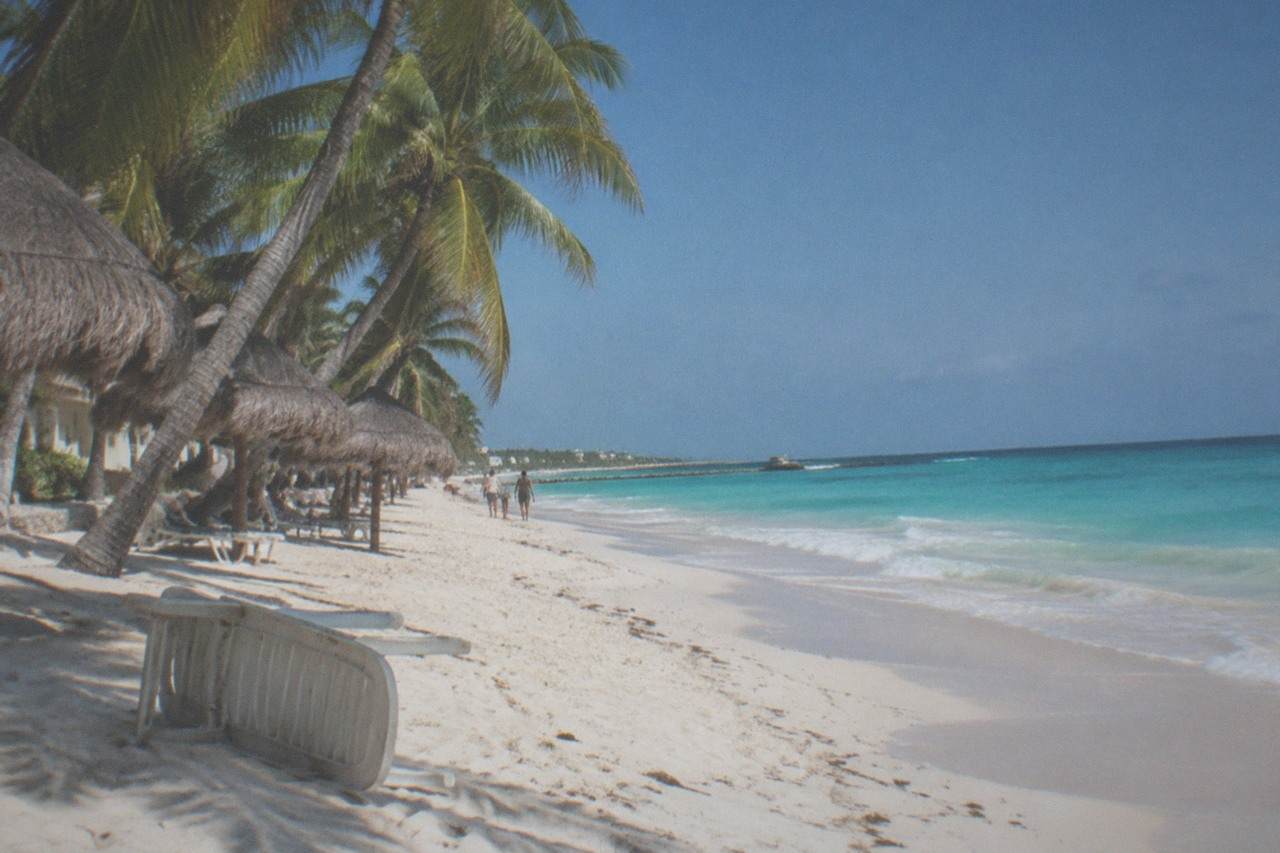
The best time to visit Playa del Carmen is late November through early April, the dry season, when rain is light, skies are clear and hurricane risk is near zero. Late April, May, early November and early December offer cheaper rates with decent weather. Avoid late August through October, the peak of both hurricane season and sargassum arrival.
What Is The Best Time To Visit Playa Del Carmen?
The best time to visit Playa del Carmen is late November through early April, the dry season, when humidity drops, afternoon storms are rare and the sea stays calm. Shoulder months, late April, May and early December, bring lower prices with mostly good weather. Late August to October stacks hurricane peak, heavy sargassum and the year's worst heat into one window.
That is the short version. The longer version is that Playa del Carmen does not really have an "off" season, it has a set of trade-offs, and the right month depends on what you came for. A snorkeler chasing clear water has different needs from a traveler who mainly wants ruins and a food tour, and the calendar treats those two trips very differently.
The Riviera Maya coast runs on two broad weather patterns. The dry season, roughly November through April, brings lower rainfall, steadier sunshine and cooler nights. The rainy season, roughly May through October, brings higher humidity and a real chance of afternoon showers, though mornings often stay fine. Overlapping the back half of that rainy stretch is the official Atlantic hurricane season, which runs June 1 through November 30 with peak activity typically August through October, as NOAA's hurricane climatology records show. The full picture fits in one chart.
| Season | Months | Typical feel | Trade-offs |
|---|---|---|---|
| Dry season | November to April | Lower humidity, steady sun, cooler evenings | Highest prices December to March, busiest beaches |
| Shoulder | Late April, May, early December | Warm, mostly dry, occasional shower | Good value, some heat in May |
| Rainy season | May to October | Humid, afternoon showers, warm nights | Lower rates, lush jungle, muggy midday |
| Hurricane peak | August to October | Storm systems possible, sargassum heaviest | Cheapest rates, most tour-weather risk |
One seasonal factor that most first-time visitors underestimate is sargassum, the floating seaweed that washes up on east-facing Caribbean beaches. It has almost no pattern loyalty: some weeks the sand is spotless, others the shoreline carries a brown band of weed. The months that combine everything you want, dry air, calm seas and clean sand, cluster in the winter, and the months that stack every problem at once cluster in early autumn.
When Is Dry Season In Playa Del Carmen?
Dry season runs roughly November through April. Rainfall drops, humidity eases, nights cool into the low 70s Fahrenheit and the sea is at its calmest and clearest. January through March is the prime window: dependable beach weather every day, minimal seaweed and excellent visibility for snorkeling, offset by the year's highest hotel rates and biggest crowds.
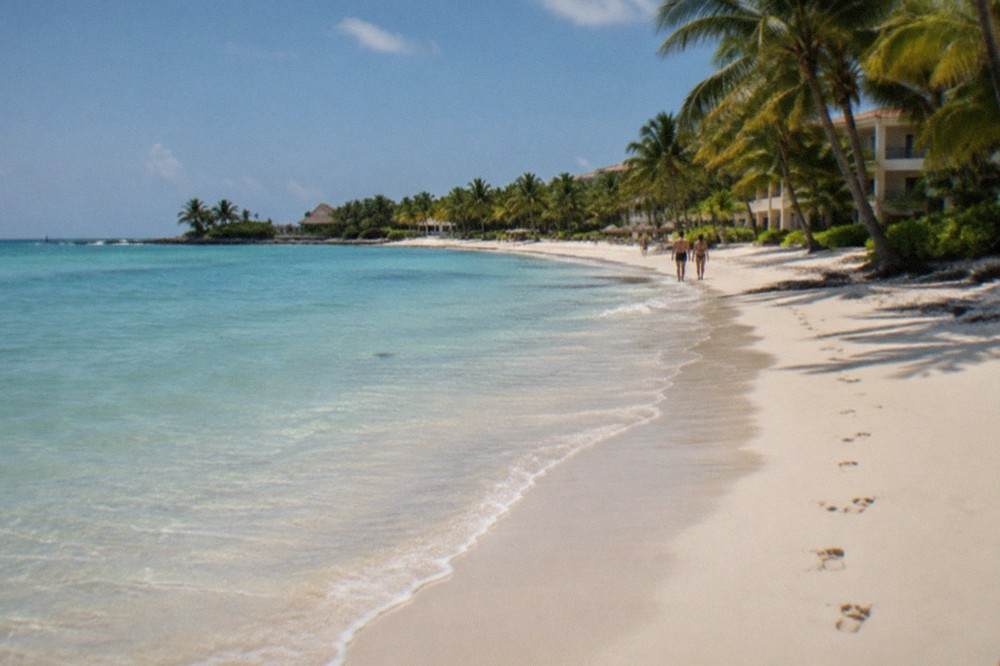
Within the dry season there are really three different trips. December through February is the classic winter escape: daytime highs typically in the low 80s, low rain chances, and the water still warm enough for long swims. It is also when the town is fullest. Spring break weeks in March push beach zones and ferry terminals to their busiest, and Semana Santa, Mexico's Easter holiday, can fall in late March or April and packs beaches with domestic travelers, a fun atmosphere if you expect it and a frustrating one if you don't.
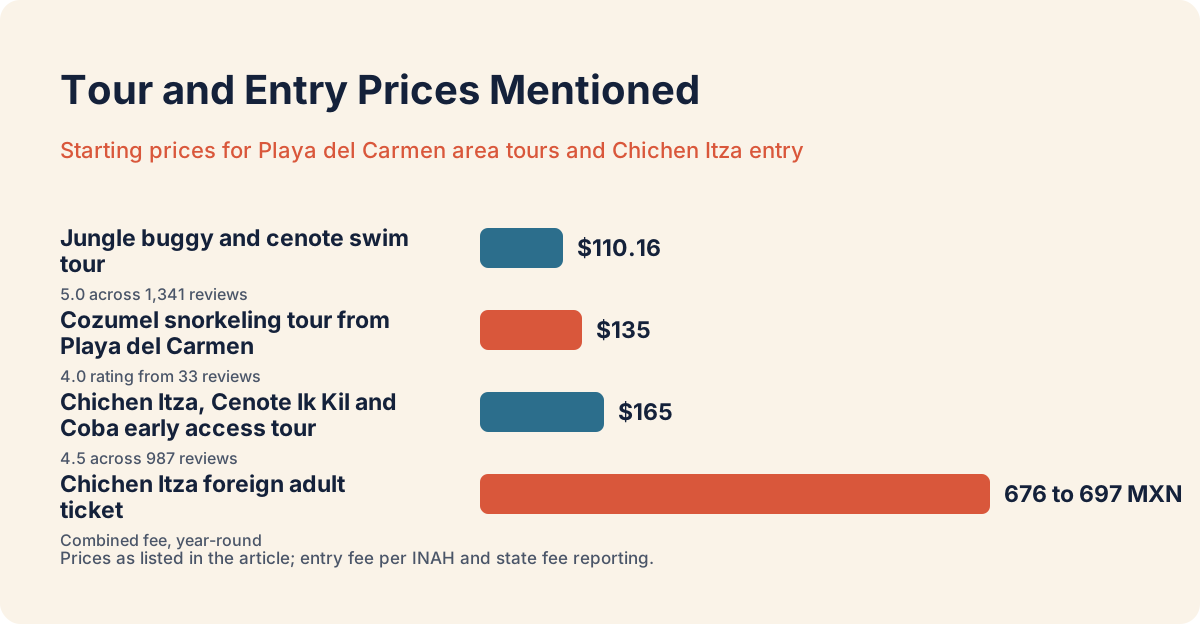
March and April at their edges are the sweet spot for value hunters. Early December, before the holiday surge, often carries shoulder rates with dry-season weather, and late April, after Semana Santa, drops in price while staying dry. Entry fees do not move with the seasons, a Chichen Itza foreign adult ticket runs roughly 676 to 697 MXN combined year-round per current INAH and state fee reporting, so the swing is all in lodging and flights.
The other thing dry season delivers is reliability for water-dependent plans. Snorkel trips, catamaran runs, Cozumel reef days and beach time all work at full confidence. If your trip is short and you cannot afford a rained-out day, this is your window, and the cost of that certainty is crowds and peak pricing.
When Is Rainy Season, And How Bad Is It Really?
Rainy season runs roughly May through October, but it is not a washout. The typical pattern is a bright, humid morning followed by a heavy afternoon or evening shower that passes in an hour. Sea conditions stay warm, prices drop meaningfully, and the jungle goes green, but hurricane exposure and sargassum build toward a September peak.
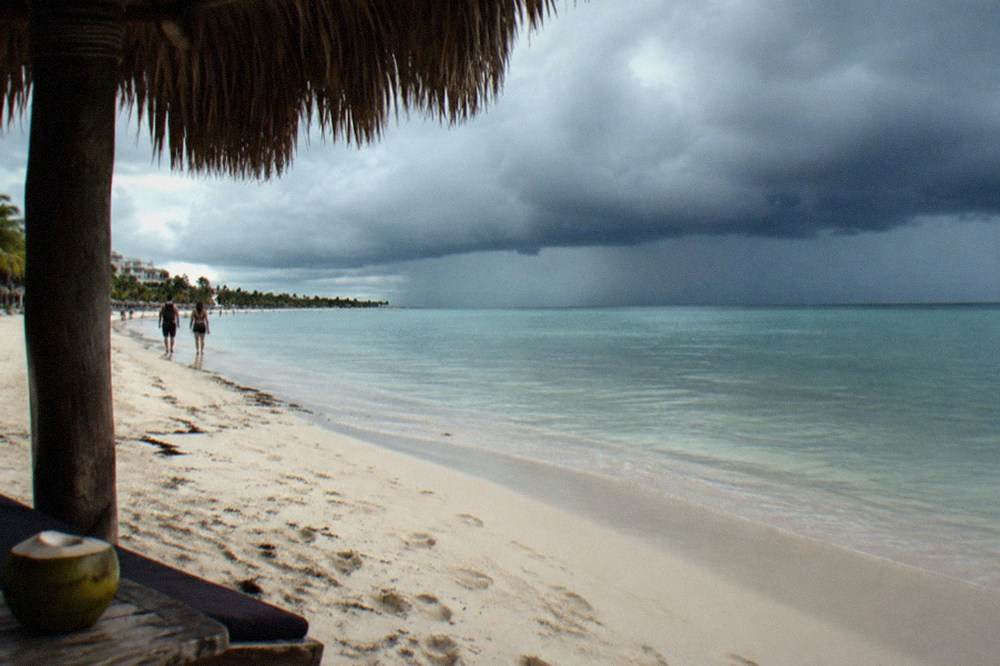
The honest framing is that rainy season in the Riviera Maya is mostly a scheduling problem, not a weather disaster. Days rarely start gray. The smart pattern is to book water activities, reef snorkeling, boat trips, beach mornings, for the first half of the day and leave ruins, cenotes with covered sections, shopping and long lunches for the afternoon window when storms build. Travelers who do this often report better trips in May or June than friends had in crowded February.
May is the transitional standout: hot, but before the deepest humidity and before the statistical rise in storm activity. It is also when sargassum arrivals start building toward their summer peak, so beach quality gets uneven. June through August doubles as European and Mexican school holiday season, so rain does not mean empty, it means hot, full and occasionally wet.
This is also when inland, canopy-covered tours earn their keep. A cenote is underground or shaded by cliff walls, so rain matters much less, and jungle routes dry fast once a shower passes. The jungle buggy and cenote swim tour, 5.0 across 1,341 reviews, from $110.16, is built exactly for this: a drive through open jungle followed by a swim in a shaded freshwater sinkhole, and it runs through the green months that keep beach-goers indoors. Check availability
For context on how the whole coast handles wet-season planning, including which coastal towns share this exact pattern, the best month to visit the Riviera Maya breaks down the wider region, and the Playa del Carmen travel guide covers arrival logistics that do not change with the season.
When Is Hurricane Season On The Riviera Maya?
Hurricane season officially runs June 1 through November 30, with peak activity typically August through October. Direct strikes on Playa del Carmen are historically uncommon, but September is the highest-risk month, and the practical effect is usually revised forecasts, rougher seas and occasional tour cancellations rather than an actual storm.
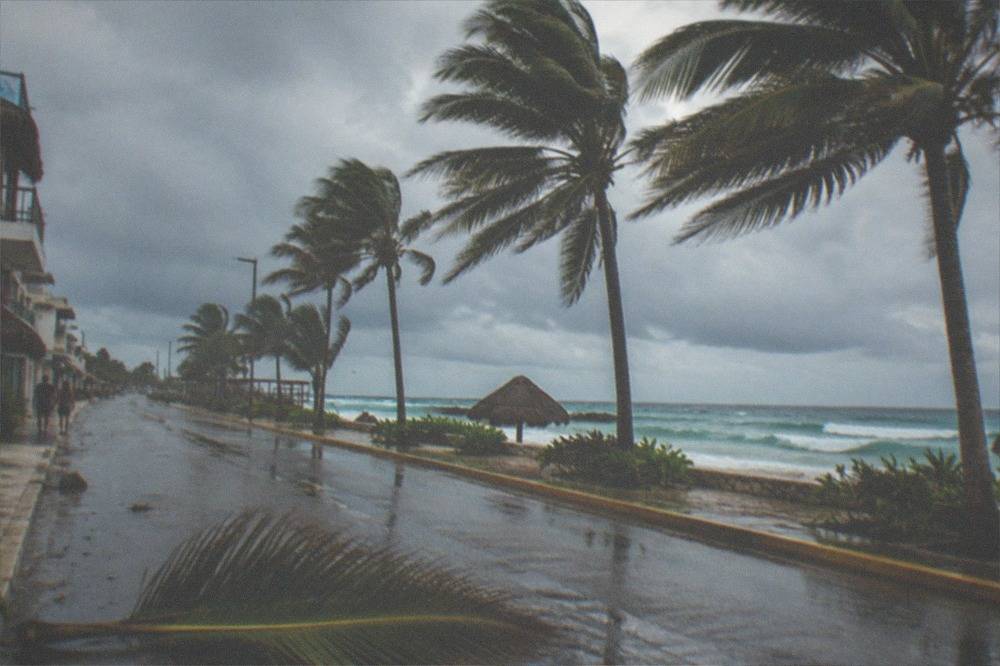
The official season definition comes from NOAA's Atlantic basin climatology, and it covers the whole Caribbean, not any one town. What that means on the ground in Playa del Carmen is a long summer of watching tropical waves roll off Africa. Most never organize. A few become named storms, and only a small fraction of those track into the Yucatan Channel. The realistic late-summer travel experience is a windy week, yellow flags on the beach and a captain who reschedules your reef trip, which is annoying, not dangerous.
Traveling in this window has real upsides: the lowest hotel rates of the year, quiet ruins and a town that feels like it belongs to the people who live in it. The Chichen Itza, Cenote Ik Kil and Coba small-group early access tour, 4.5 across 987 reviews, from $165, runs a long inland day that is much less exposed to coastal weather than a catamaran, and early-access departures are exactly the kind of product that keeps operating through shoulder-season turbulence.
If you do book August through October, protect the money rather than the itinerary. Book tours with free cancellation, keep at least one fully refundable element in the trip, and treat any boat-dependent plan as provisional. When a real system does approach, operators cancel early and the town's evacuation procedures are well rehearsed; the bigger risk to your vacation is usually a lost beach day, not the storm itself.
Which Months Are Best For Snorkeling And Boat Tours?
For snorkeling and boat tours, March through early June is the strongest stretch: dry-season visibility, calm seas, warm water and lighter sargassum than midsummer. Late November and December are the reliable backup window. Avoid late August through September, when wave action, storm swell and peak seaweed can cut visibility and force route changes.
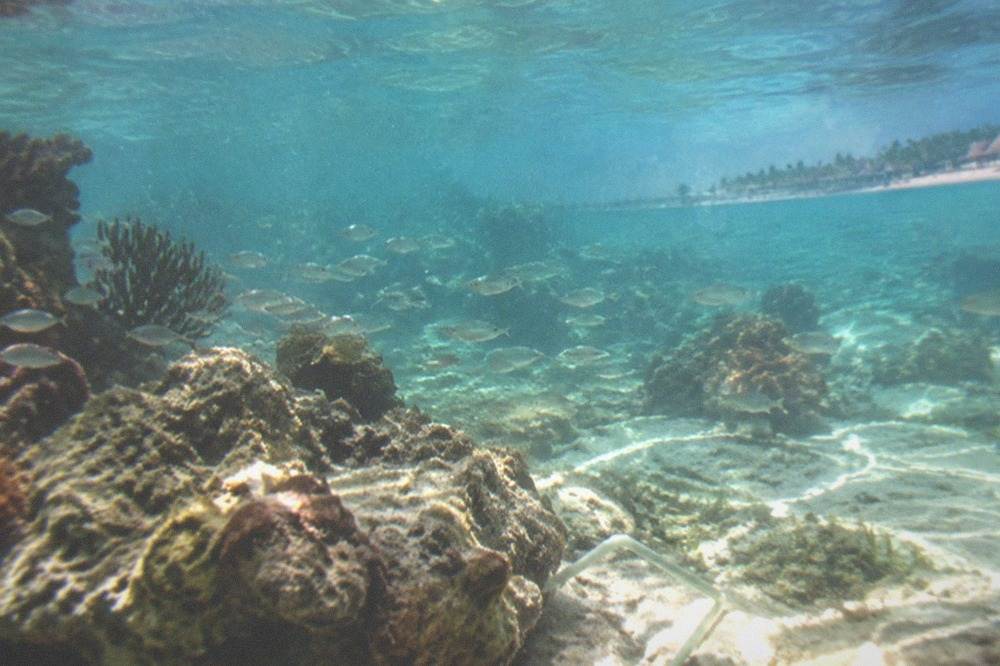
Water clarity on the Mesoamerican reef is driven by three things: wave energy, freshwater runoff and sargassum. Dry season minimizes all three. The reef sites south and west, especially around Cozumel where the island's leeward coast is sheltered, hold visibility longest even when mainland beaches are weedy, which is why reef trips keep running in months when swimming off Playa's own beach is unpleasant. Divers weighing the whole island against the mainland should read the best month for Cozumel diving, which tracks visibility and water temperature month by month.
| Months | Sea state | Visibility | Sargassum risk | Verdict for boat tours |
|---|---|---|---|---|
| January to March | Calm | Excellent | Low | Best overall window |
| April to early June | Calm to moderate | Very good | Building | Strong second choice |
| July to August | Moderate | Good but patchy | High | Book early-morning trips |
| September to October | Unpredictable | Reduced | Highest | Have a backup plan |
| November to December | Returning calm | Good | Falling | Solid shoulder pick |
One marine-season note that catches people out: wildlife tours follow their own calendar, not yours. Whale shark season on this coast runs in the summer feeding window, so a whale shark trip is a June-through-September product by necessity, peak hurricane months included. Turtle encounters at Akumal run on their own schedule too, with the strongest in-water presence May through November but an annual September conservation pause on turtle swimming tours under the bay's CONANP-managed rules, so autumn travelers should expect boat and lagoon alternatives rather than a guaranteed turtle swim.
If you want a reef day with the least weather exposure, the Cozumel snorkeling tour from Playa del Carmen, from $135, crosses on the ferry and works the sheltered leeward reefs; its 4.0 rating comes from a small pool of 33 reviews, so weigh it on itinerary fit rather than reputation. It pairs well with the snorkeling tours from Playa del Carmen overview, which compares reef, cenote and inlet options.
How Does Sargassum Change The Beach Calendar?
Sargassum shapes the beach experience more than rain does. Arrivals are heaviest roughly May through October, peaking June through August, and the cleanest, most predictable sand runs November through April. It varies week to week and beach to beach, but if a swimming beach is the core of your trip, book the winter dry season.
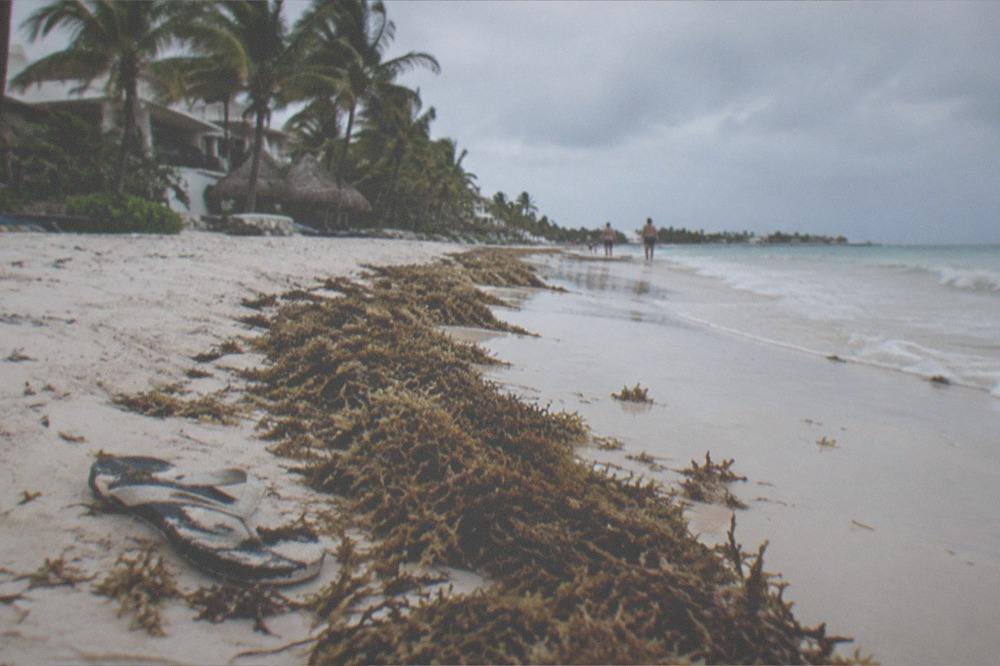
The seaweed is not a local problem anyone can fix; it arrives from the central Atlantic in vast seasonal belts, and the Riviera Maya's east-facing coast catches it directly. Municipal crews, barriers and collection vessels work the beaches constantly in the heavy months, and conditions genuinely change within days with wind and current. The practical reading: a bad sargassum report for Playa does not mean the whole coast is brown, it means the exposed beaches that morning are brown, while Cozumel's west coast and sheltered inlets can still be clear.
For tour planning, the seaweed's biggest effect is on nearshore water clarity, not safety. Reef trips simply motor past the weed lines. Beach-adjacent products, shallow snorkel entries, glass-bottom boats close to shore, are the ones that get rescheduled or rerouted. Cenote swimming is entirely immune: the water is underground freshwater, hundreds of meters from any ocean influence, which makes a cenote tours from Playa del Carmen day the classic sargassum-season fallback.
When Is Playa Del Carmen Cheapest And Least Crowded?
The cheapest, quietest windows are September through early November, hurricane and sargassum peak, and late April through May, post-Easter shoulder heat. Early December and late January also dip in price without much weather downside. The expensive, packed peaks are Christmas week, New Year, February and March's spring break, and Semana Santa.
Price and weather pull in opposite directions here more strongly than in most beach destinations, because the worst-weather months are genuinely the emptiest. A September visitor gets resort rates that can be half of February's, uncrowded ruins and easy walk-in reservations, while accepting muggy heat, brown-sanded mornings and a small chance a tropical system scrambles the week. Whether that trade is worth it is a personal call, and the month-by-month table below is built to make it honestly.
| Month | Weather | Crowds | Prices | Beach quality | Trip verdict |
|---|---|---|---|---|---|
| January | Dry, warm | High | High | Clean | Prime but busy |
| February | Dry, best mix | High | High | Clean | Peak season |
| March | Dry, warming | Very high | High | Clean | Great, avoid break weeks |
| April | Dry to mixed | High, Semana Santa | Moderate | Clean | Good after Easter |
| May | Hot, first showers | Moderate | Lower | Weedy start | Value with heat |
| June | Hot, humid | Moderate | Lower | Heavy weed | Whale sharks only |
| July | Hot, storms build | Moderate | Lower | Heavy weed | Morning trips |
| August | Peak heat | Moderate | Low | Peak weed | Early starts only |
| September | Storm peak, wet | Low | Lowest | Worst weed | Cheapest gamble |
| October | Storms easing | Low | Low | Improving | Late month okay |
| November | Drying out | Low to moderate | Moderate | Clearing | Late month shines |
| December | Dry | High late | Rising | Clean | Early month steals |
The pattern that surprises first-timers is November. Late November often delivers dry-season weather at shoulder prices, because the market still prices the month like hurricane season even though the statistical peak has passed and the seaweed is clearing. Early December works the same trick. If your dates are flexible within a month, shifting a "December trip" to its first week, or a "March trip" to late April, routinely saves real money with little weather cost.
Crowd behavior matters as much as price. Sunday entry discounts at federal sites mean Mexican families fill archaeological zones on Sundays, so ruins are quietest on weekday mornings. Ferry terminals, Fifth Avenue and beach clubs fill from mid-morning; serious sightseeing, and any photography, rewards the 8 AM openings that dry-season daylight makes easy.
Which Month Should You Actually Book?
Book February or March for the safest all-around trip, late November or early December for dry weather at lower cost, May for heat-tolerant value, and late June through August only if whale sharks or a quiet town are the priority. September and early October are the months to avoid unless a cheap, flexible, weather-tolerant trip is exactly what you want.
By this point the trade-offs are all on the table, so the last honest step is matching the month to the trip you are actually taking. A four-day first visit built around beach and reef days has one answer: dry season, no exceptions. A two-week stay with a car, ruins, cenotes and a food agenda can happily absorb a May or October week, because half of that itinerary barely notices the weather. And a budget-led traveler who accepts that two of seven days might rain gets the town at its cheapest and its most local.
The same logic applies to what you book. Boat-dependent products, catamarans, reef snorkels, island crossings, deserve the dry-season premium because their cancellation risk is lowest then. Land products, buggy routes, cenote swims, ruin circuits, food walks, are season-proof and are often cheaper in the green months. That division is why the buggy-and-cenote format is the most reviewed trip on this site: it is the one big day out that works in February sun and September showers alike.
For everything beyond the calendar, the things to do in Playa del Carmen guide maps the full activity menu, and Tours in Playa del Carmen lists every bookable day trip with live pricing and current review counts, so you can match the month to the roster before you commit dates.
Common Questions About The Best Time To Visit Playa Del Carmen
What is the best time to visit Playa del Carmen?
Late November through early April, the dry season, when rainfall is low, skies are steady and hurricane risk is near zero. February and March are the safest all-around months. Late November, early December and late April deliver similar weather at lower prices.
When is dry season in Playa del Carmen?
Roughly November through April. Humidity drops, nights cool into the low 70s Fahrenheit and the sea is calm and clear. January to March is the premium window with the highest rates and biggest crowds.
When is rainy season, and how bad is it really?
Roughly May through October, and it is usually manageable: bright humid mornings with heavy but short afternoon or evening showers. Book water activities for mornings, keep ruins and cenotes for afternoons, and expect lower prices and greener jungle.
When is hurricane season on the Riviera Maya?
June 1 through November 30, with peak activity typically August through October. Direct strikes on Playa del Carmen are uncommon; the realistic effect is rough seas, yellow beach flags and occasional tour rescheduling. Book refundable products if you travel in this window.
Which months are best for snorkeling and boat tours?
March through early June, when seas are calm, visibility is very good and sargassum has not fully arrived. Late November and December are the backup window. Late August and September carry the most cancellation risk.
How does sargassum change the beach calendar?
Heaviest arrivals run roughly May through October, peaking June through August; the cleanest, most predictable sand is November through April. It varies week to week and beach to beach, so if swimming beaches are the core of your trip, book the winter dry season.
When is Playa del Carmen cheapest and least crowded?
September through early November for the lowest prices and thinnest crowds, offset by storm and seaweed risk, and late April through May for post-Easter value. Early December and late January dip in price with little weather downside.