What Is The Best Month To Dive In Cozumel?
The best month to dive in Cozumel, with the dry season, hurricane window, sargassum patterns, ferry logistics and real tour prices laid out month by month.
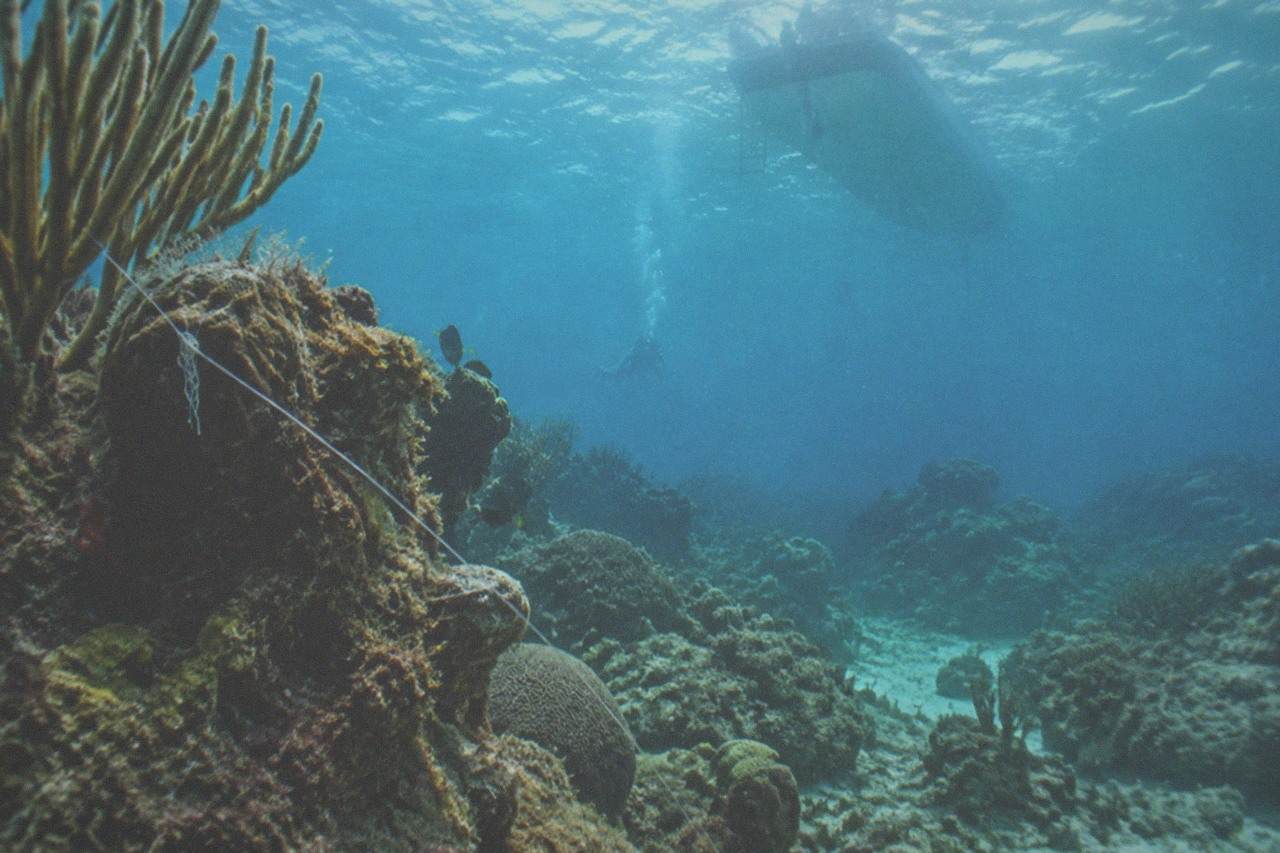
What Is The Best Month To Dive In Cozumel?
March and April are the strongest months to dive Cozumel: both sit inside the November-April dry season, outside the June 1-November 30 hurricane window, and ahead of the May-October sargassum period that clouds exposed mainland beaches. Cozumel's reefs face southwest and stay comparatively sheltered, which is why operators run trips all year and shoulder months still deliver good visibility.
That answer comes with an honest caveat. Cozumel does not really have a closed dive season. The reefs of Palancar and Colombia, on the island's sheltered southwest coast, run trips in every month of the year, and the ferry from Playa del Carmen crosses in about 45 minutes regardless of season. What changes month to month is the chance that a tropical system, a plankton bloom or a raft of sargassum softens the experience. The best month is the one that stacks the odds in your favor rather than the one with a marketing label attached.
The second factor is heat and crowds rather than water. The dry season, roughly November through April, brings the most comfortable air temperatures and the lowest chance of an afternoon storm scrubbing a boat departure. It also overlaps with high season, so March and April trade a little tranquility for reliability. If you would rather have lower crowds and can accept a small weather risk, late October and November, after the hurricane peak passes and sargassum typically eases, are the sleeper picks.
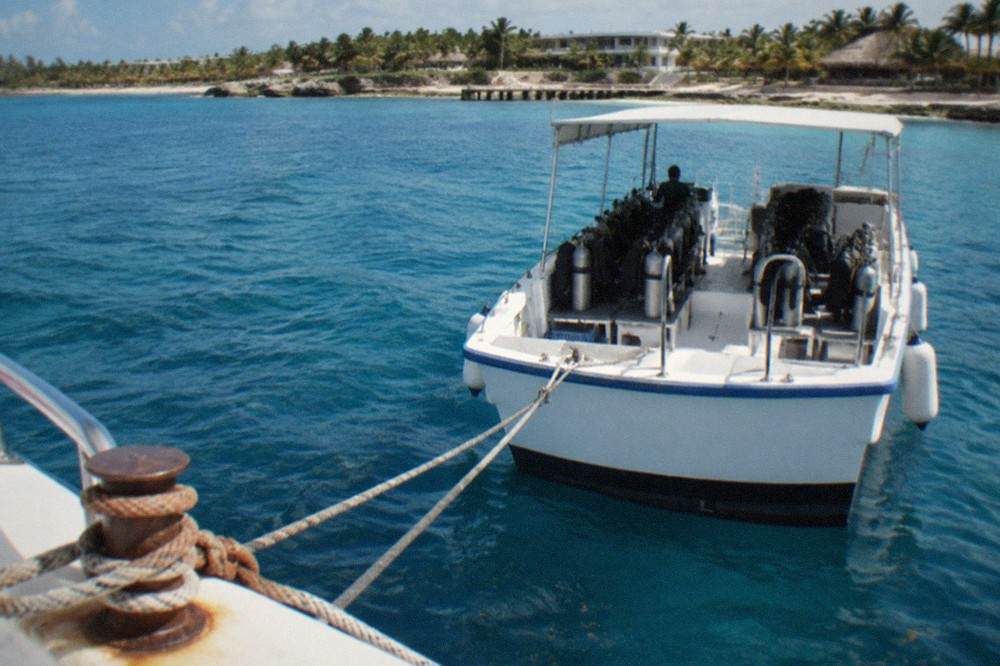
For travelers basing themselves in Playa del Carmen, the practical planning is covered in the site's Cozumel day trip guide, which walks through ferry timing, dock logistics and how much of a day the crossing realistically eats. If your interest is specifically the underwater side rather than the town, the Playa del Carmen snorkeling tours guide compares the reef options on both sides of the channel.
The three most convenient ways to book water time from Playa del Carmen, at a glance:
When Is Cozumel's Hurricane And Rainy Season?
Cozumel sits inside the official Atlantic hurricane season, which runs June 1 through November 30 each year, with peak storm activity typically August through October. The regional rainy season, roughly May-October, brings afternoon showers and higher humidity but rarely all-day rain. The dry season, roughly November-April, is the most stable window for dive departures and the smoothest sea states.
The hurricane dates are not folklore; they are the official NOAA definition of the Atlantic hurricane season, and the August-October peak is the same climatology that governs the whole Caribbean basin. A named storm does not need to hit Cozumel directly to matter. Distant systems churn up swell, operators cancel departures for safety, and visibility on the reefs can drop for days afterward. In practice, most bookings in these months still go ahead; the risk is a disruption, not a certainty.
| Period | What to expect | What it means for diving |
|---|---|---|
| November-April (dry season) | Lower rainfall, comfortable air, calmer seas | The most reliable visibility and departure schedule; highest crowds Dec-Mar |
| May-July (early rainy season) | Afternoon showers, rising humidity, building sargassum | Morning dives usually fine; some east-facing mainland beaches affected |
| August-October (peak hurricane window) | Highest storm activity, warmest water | Trips still run, but cancellation odds and swell are at their yearly maximum |
Rain itself is a smaller problem for divers than it sounds. A typical rainy-season day in the Riviera Maya is sunny in the morning with a shower in the afternoon, and most dive boats go out early. The real constraints are wind and swell, which pick up when a system is anywhere in the region, and the surface interval gets less pleasant even when the diving beneath stays fine.
If your dates are fixed inside the hurricane window, book the water days early in your stay rather than the end. That leaves slack to rebook if a departure is scrubbed, and it is the single cheapest piece of insurance a diver has. The Cozumel Snorkeling Tour from Playa del Carmen, from $135, currently shows a 4.0 rating from 33 reviews, a modest review pool worth reading yourself on the operator's live listing before committing. It bundles guided reef stops, gear and lunch, and free cancellation terms on the listing make an early booking low-risk.
One more timing note worth knowing: September is both the statistical heart of the peak storm window and, separately, the month Akumal pauses its turtle swims on the mainland. Neither affects Cozumel's reef boats, but mainland day trips you might have penciled in alongside your dive days can shift around in this period, so check the specific activity rather than assuming the whole coast runs one calendar.
Does Sargassum Reach Cozumel's Dive Sites?
Mostly no, and that is the island's quiet advantage. Sargassum lands on east-facing, exposed beaches, and Cozumel's dive reefs sit on the sheltered southwest coast, where operators report comparatively clear conditions even in heavy sargassum years. The mainland beaches of Playa del Carmen catch far more of it, which matters if your dive trip starts with a ferry crossing.
Sargassum is worth understanding before you pick a month, because it is the factor most first-time visitors never account for. This has been a heavy sargassum year across the Caribbean, with a record June peak in satellite estimates, and state monitoring found it present on 135 of 140 monitored beaches in Quintana Roo at the September check. The overall trend is downward after the summer peak, which is the normal seasonal pattern.
For diving specifically, the distinction is geography. The trouble spots are the open, east-facing shorelines of Playa del Carmen and Tulum, where mats wash in and nearshore clarity suffers. Cozumel's marquee reefs, Palancar with its massive coral formations and swim-throughs, and Colombia with its dramatic walls and strong turtle sightings, lie along the island's leeward southwest coast. Floating sargassum largely rides past them. Heavy outbreaks can still complicate a crossing or reduce clarity on shallower sites for a day or two, but the pattern favors Cozumel over the mainland almost every time.
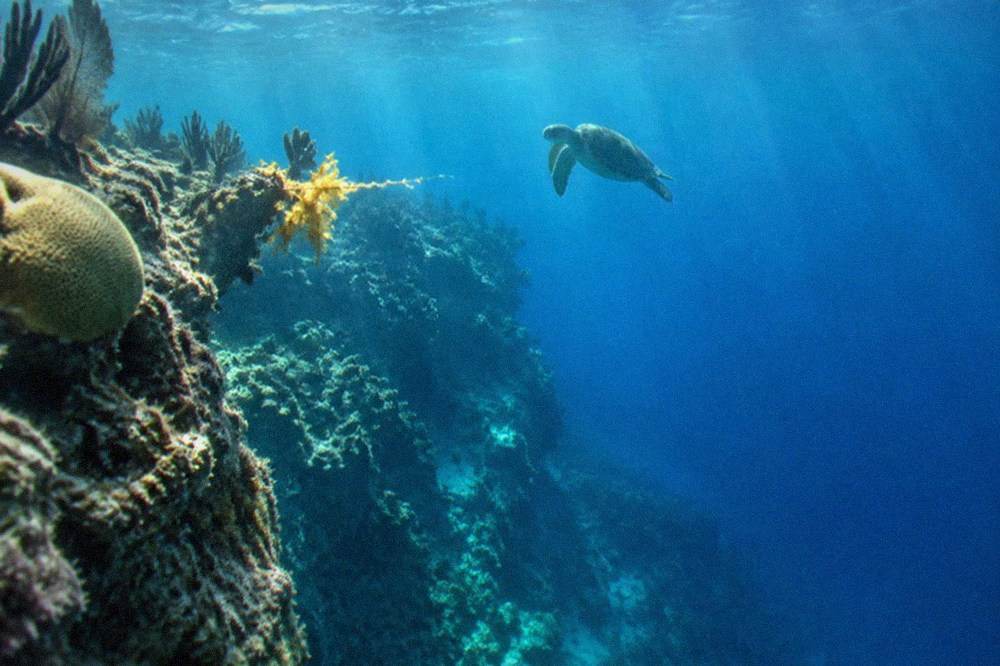
What this means for your month choice: if you are traveling between May and August and water clarity is the priority, booking your water days on Cozumel rather than on the mainland beaches is the single best decision you can make. The sargassum that has dominated mainland headlines this year is largely a beach problem, not a reef problem, and the reefs people actually dive sit in the island's protected lee.
How Do You Get To Cozumel's Reefs From Playa Del Carmen?
Two passenger ferry operators, Ultramar and Winjet, run the crossing from Playa del Carmen's maritime terminal at the end of 5th Avenue, with sailings roughly every 30-60 minutes from about 7 AM to 10 PM. The crossing takes about 45 minutes, and one-way adult fares run roughly 250-344 MXN, about $12-22 USD depending on operator, class and whether you book online.
Those numbers are the practical backbone of any Cozumel dive day from the mainland. The schedule is dense enough that you do not need to obsess over a specific sailing, but dive boats leave Cozumel's marina in the morning, so most travelers take a first- or second-departure ferry, meet the operator on the island, and return on an afternoon boat. Build in the crossing twice plus check-in and you can see why most Cozumel water days from Playa del Carmen are effectively full days. The current ferry details are consolidated at the Cozumel ferry schedule reference page, worth a glance before travel since fares shift with promotions.
| Ferry detail | Figure to plan around |
|---|---|
| Operators | Ultramar and Winjet, from the Playa del Carmen maritime terminal |
| One-way adult fare | Roughly 250-344 MXN (about $12-22 USD) |
| Frequency | Sailings roughly every 30-60 minutes |
| Daily window | About 7 AM to 10 PM, weather permitting |
| Crossing time | About 45 minutes |
If you would rather not manage the ferry legs yourself, a bundled option removes the logistics. The ferry-and-park ticket from the roster, listed from $43.03 with a 4.5 rating from 105 reviews, covers the crossing to Cozumel with an open return, which pairs neatly with a dive or snorkel departure booked for the same day. Travelers who prefer everything in one transaction, transport plus water time plus lunch, will find the snorkeling day trip the simpler structure; independent divers often prefer the bare ferry ticket so they can pick their own operator on the island. Everything else covered here is indexed on Tours in Playa del Carmen.
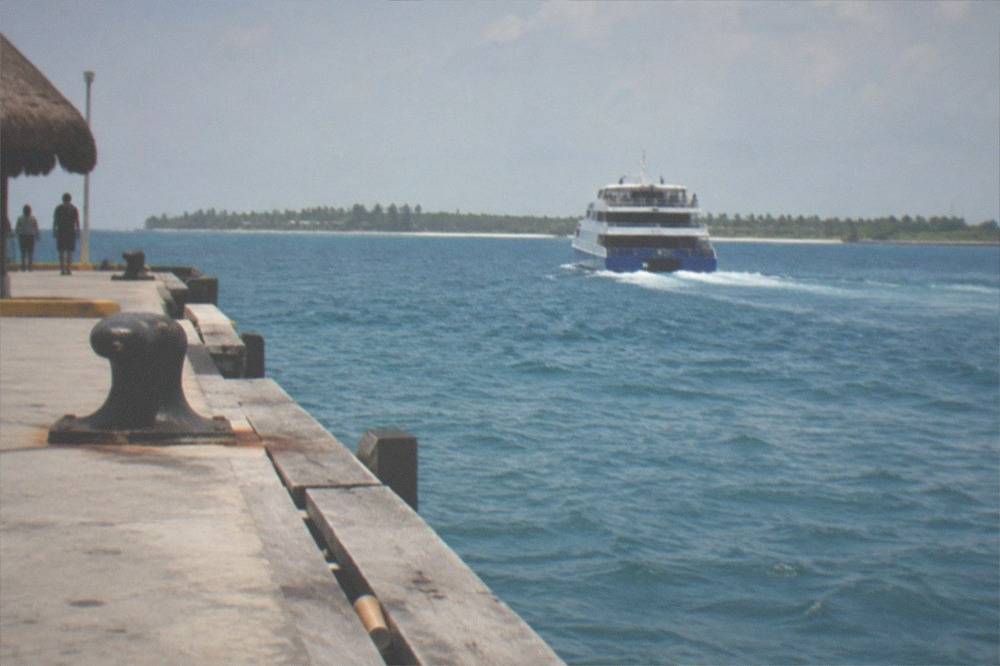
A small but real planning point: the ferry terminal is a solid walk or short taxi ride from most Playa del Carmen hotels, and morning departures fill first in high season. Arrive twenty minutes early rather than five. The crossing itself is part of the fun on a calm morning, and the leeward approach to San Miguel gives you a preview of exactly the coastline your dive boat will work along.
What Should A Cozumel Diving Trip Cost?
Expect roughly $43.03 to $135 per person from this site's roster, depending on structure: from $43.03 for the ferry crossing with open return, from $135 for a full guided snorkeling day with lunch and gear from Playa del Carmen, and from $59 for the Isla Mujeres catamaran as an alternative water day. Entry to the island itself is free; the state visitor tax applies separately.
The visitor tax is the line item most travelers miss. Quintana Roo's VISITAX runs roughly 283 MXN, about $15 USD, and is mandatory for foreign visitors of all ages, paid online through the official VISITAX portal before departure to receive a QR code. It is generally not bundled into airfare, so if nobody asked you for it at booking, assume it is still yours to pay. Mexican nationals and residents are exempt.
| Option | What it covers | Price | Rating and reviews |
|---|---|---|---|
| Cozumel ferry with open return | Round-trip crossing, flexible return time | From $43.03 | 4.5 from 105 reviews |
| Cozumel snorkeling day trip | Guided reef stops, gear, lunch, from Playa del Carmen | From $135 | 4.0 from 33 reviews |
| Isla Mujeres catamaran cruise | Beach club, snorkel stop, lunch, open bar | From $59 | 4.0 from 2,618 reviews |
A note on those numbers, because honesty matters more than sparkle here. The snorkeling day trip's 4.0 from 33 reviews is a small pool, and the review average reflects it: solid but not glowing, and worth reading the recent comments on the live listing yourself. The Isla Mujeres catamaran's 4.0 comes from a very large pool of 2,618 reviews, which makes it the more statistically settled product, though its rating sits below the roster's stronger performers. Neither figure is a reason to skip; both are reasons to know what you are buying. Reviews on any listing shift month to month, and operators adjust prices seasonally, so treat every figure here as the floor it was listed at, not a promise.
Divers booking certified dives rather than snorkel trips will price those separately with island operators, and prices there vary with tanks, sites and certification level. What the roster here covers is the snorkel-and-ferry layer of a Cozumel water day, which suits most travelers and is the layer you can book ahead with free cancellation while you firm up the rest of the trip. This site, Tours in Playa del Carmen, maintains the full set of water options across its Cozumel and Isla Mujeres pages if your group splits between snorkelers and divers.
Is Cozumel Diving Safe For Visitors?
Yes, with ordinary precautions. The US State Department rates Quintana Roo at Level 2, exercise increased caution, the same tier that covers much of the country, citing violent crime between rival groups rather than tourist-targeting incidents. Cozumel itself is regularly described as calmer than mainland hot spots, tourist zones are heavily policed, and the documented risks to divers are the usual ones: sea conditions, sun and boat logistics rather than crime.
The Level 2 advisory is consistent and worth reading rather than fearing. Its practical guidance is to stay alert after dark in downtown areas of Playa del Carmen, Cancun and Tulum, and to keep to well-lit pedestrian zones. None of that describes a morning on a dive boat. The incidents that make local news in the region overwhelmingly involve local disputes, not visitors on the water, and Cozumel's economy runs on diving and cruise traffic, which the island protects accordingly. The site's longer treatment of the question, Is it safe to go to Cozumel this year, works through the advisory in detail.
The safety calls that actually affect a dive day are environmental. Operators cancel or reroute for swell and storm systems, which is the hurricane-season risk discussed earlier. Jellyfish and coral contact are managed with wetsuits, briefed buoyancy and the standard rule of not touching anything, which also protects the reef. And the site-specific sunscreen rule applies across the region's managed marine areas: conventional sunscreen is commonly refused or requires a rinse-off, so bring a mineral-based one or accept the shower.
Medical capability on the island is genuinely good for a destination of its size, a legacy of the dive industry; Cozumel handles a large volume of certified divers every year and has the hyperbaric and clinic infrastructure that goes with it. Dive within your certification, hydrate, and leave slack in your schedule for the surface interval, and the month you pick matters more for weather than for safety.
So the ranking stands. March and April first, late November a close second for crowd-averse travelers, the December-February stretch reliable but busiest, and the May-October window bookable with eyes open, favoring Cozumel's leeward reefs over the mainland. Whatever month you settle on, these are the water options that pair best with a Cozumel crossing from Playa del Carmen:
Common Questions About Diving In Cozumel
What Is The Best Month To Dive In Cozumel?
March and April, inside the dry season and outside the June 1-November 30 hurricane window, with calm seas and good visibility before the May-October sargassum period builds. Late November is a strong runner-up once sargassum typically eases and hurricane activity drops away.
Can you dive Cozumel in hurricane season?
Yes. Operators run trips through the June 1-November 30 window, and most departures go ahead. The risks are cancellations and swell when a system is anywhere in the region, so book water days early in your stay and keep a backup slot rather than assuming the whole season closes.
Does sargassum affect Cozumel's dive sites?
Only marginally. Sargassum is primarily an east-facing beach problem, and Cozumel's main reefs, Palancar and Colombia, sit on the island's sheltered southwest coast. The mainland beaches of Playa del Carmen collect far more, which matters for the ferry crossing day, not for the reef dive itself.
How long is the ferry from Playa del Carmen to Cozumel?
About 45 minutes each way, with sailings roughly every 30-60 minutes from about 7 AM to 10 PM, and one-way adult fares around 250-344 MXN, about $12-22 USD. Most dive-day travelers take an early morning sailing to meet island boat departures.
Is snorkeling in Cozumel good enough if I don't dive?
Yes. Palancar's shallower garden sections and Colombia's walls are ranked among the island's premier sites for snorkelers as well as divers, with turtles and rays regularly sighted. A guided snorkel day from Playa del Carmen runs from $135 with lunch and gear included.
Do I need to pay the Quintana Roo visitor tax for a Cozumel day trip?
Yes, if you are a foreign visitor. VISITAX runs roughly 283 MXN, about $15 USD, for all ages, paid online before departure through the official portal for a QR code. It is generally not bundled into airfare or tour prices, so plan to settle it yourself.