Is Cozumel Safe From Cartel Activity? What The Advisory Really Says
An honest look at the US travel advisory for Quintana Roo, the mainland incidents behind the headlines, and what they actually mean for a Cozumel day trip from Playa del Carmen.
Is Cozumel Safe From Cartel Activity? What The Advisory Really Says
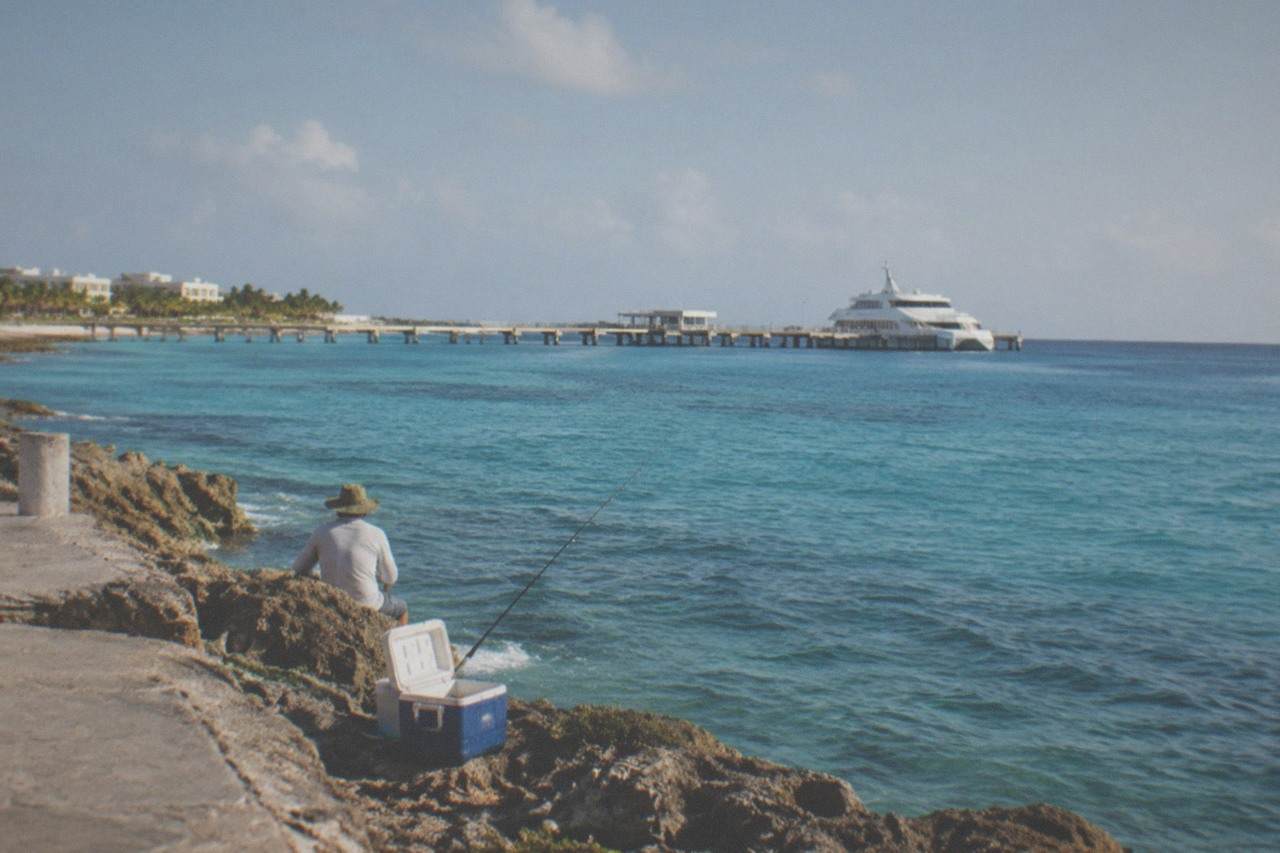
Cozumel is not a cartel stronghold, and no advisory singles the island out. The US State Department rates the whole state of Quintana Roo at Level 2, Exercise Increased Caution, the same rating held steadily since August 2025, and its warnings center on mainland nightlife districts like downtown Playa del Carmen, Cancun and Tulum after dark. Cozumel's own 2026 problem list is dominated by petty theft and fraud complaints, not violence aimed at visitors.
That distinction gets lost in almost every search result. The advisory language for the state mentions that shootings between rival groups have injured and killed innocent bystanders, which is a real sentence about a real risk, but it is a sentence about specific places, and those places are on the mainland. The island's economy runs almost entirely on cruise passengers and divers, and the reported incidents there through 2025 and 2026 look nothing like the mainland pattern. One widely reported 2025 case involved federal prosecutors securing preventive detention for four alleged trafficking group members arrested on the island, a targeted enforcement action rather than a shooting spree, and tourist zones kept operating normally.
It also helps to understand what Level 2 means in practice. It is the same level the State Department assigns to many countries that millions of Americans visit without hesitation. It says exercise increased caution, not do not travel, and for Quintana Roo the practical guidance boils down to staying alert after dark in downtown areas, sticking to well-lit pedestrian streets, and using licensed transport. None of that is specific to Cozumel, and none of it describes the cruise piers, the waterfront promenade in San Miguel, or the dive sites along the western reefs.
The reason the question feels urgent anyway is timing. Mainland Quintana Roo produced a string of alarming headlines in 2026, and search engines serve those headlines next to any query about the region, island included. The next sections separate the two pictures: what the advisory literally says, what happened on the mainland, what the island's own record looks like, and what a sensible day trip actually involves.
What The Level 2 Advisory Actually Means For Cozumel
Level 2 means exercise increased caution, and for Quintana Roo it comes with named cautions about downtown Playa del Carmen, Cancun and Tulum after dark, plus a general warning about bystander risk in disputes between criminal groups. Cozumel is never named. The rating has held unchanged since August 2025, which means the State Department has not raised it through the mainland incidents of 2026.
The advisory's Quintana Roo paragraph is worth reading closely, because its verbs and locations carry the real message. It advises travelers to pay attention to their surroundings after dark in downtown areas of Cancun, Tulum and Playa del Carmen, and to remain in well-lit pedestrian streets and tourist zones. That is bar-district and nightlife advice. Cozumel's San Miguel waterfront and its pier zone are exactly the kind of well-lit, heavily policed tourist corridor the advisory points people toward.
It is also worth separating the advisory from the news cycle that surrounds it. The official Mexico advisory page carried an August 2025 update, while regional press keeps reporting new incidents monthly. The rating staying flat through 2026 tells you something: career analysts at the State Department looked at the mainland kidnapping arrests, the highway shooting and the rest, and still concluded the state as a whole sits at the same caution level as before. Ratings move when the assessed risk to ordinary travelers moves, and for this state it has not.
For a visitor planning the practical side, the same caution level applies to weather and taxes as to crime. Hurricane season officially runs June 1 through November 30 with peak activity typically from August to October, per NOAA's official climatology, and Quintana Roo's VISITAX portal collects the mandatory visitor tax of roughly 283 MXN, about 15 US dollars, from foreign visitors of all ages before departure. Neither of those is a cartel problem, and both are more likely to affect a Cozumel trip than any criminal organization.
Is Cartel Activity Bad In Cozumel Right Now?
By every verifiable measure, no. The island's reported 2025 and 2026 issues are isolated: an alleged trafficking cell broken up by arrests in 2025, scattered complaints about petty theft and card fraud, and ordinary tourism friction. There is no verified pattern of cartel violence against visitors on Cozumel, and no credible report of tourist zones being disrupted by organized crime.
The strongest single data point is the one people cite when they claim the island is dangerous: the 2025 arrest of suspected CJNG members in Cozumel on drug trafficking charges. Read the arrest closely and it is the opposite of a warning sign for travelers. Federal prosecutors secured preventive detention, meaning the state dismantled a cell before it established any visible footprint, and the case produced no associated attacks on tourists or disruption to the piers, dive shops or hotel zones. Enforcement that quietly ends in custody is the system working.
Compare that with the mainland's genuine hot spots. Playa del Carmen police in September 2026 arrested four men on charges tied to a kidnapping in a residential neighborhood, a targeted local dispute. Earlier the same month, gunmen fired on ride-hailing drivers on the Playa del Carmen to Tulum federal highway, with local reporting suggesting a taxi-union dispute as the motive. Those are real and unpleasant facts about the mainland, and none of them happened on the island, near the ferry terminal, or on any route a Cozumel day tripper walks.
The honest caveat is that absence of reported incidents is not a guarantee. Cozumel's police blotter is thin partly because the island is small and tourism-dependent, and US consular notices in 2026 did warn Cozumel visitors about fraud and theft schemes, short-change scams and unauthorized time-share or excursion sellers among them. That is the realistic threat model on the island: protect your cards, book excursions through a listing with a paper trail, and treat anyone selling tours on the pier with caution. For a fuller read on mainland caution, the guide to Playa del Carmen safety for tourists breaks down the State Department language in more detail.
Is It Safe To Go To Cozumel In 2026?
Yes, in the way the advisory means it: with increased caution, not avoidance. Millions of cruise passengers call at Cozumel each year and the island's visitor-facing crime record stays overwhelmingly petty. The 2026 answer for a day tripper is the same as the 2025 answer: use licensed transport, guard your cards, stay in the tourist corridor, and skip late-night wandering in unfamiliar districts on the mainland side.
The traveler's real risk calculus for Cozumel in 2026 is dominated by ordinary beach-day hazards, and sargassum is a good example of how warped the island's media image is. 2026 has been a near-record sargassum year for the Mexican Caribbean, with Quintana Roo collecting roughly 133,647 tons through mid-September, yet Cozumel's sheltered western shore stays among the clearer spots because the prevailing conditions push the weed toward exposed eastern and mainland beaches. The island frequently ends up in the good-news column of a bad-news season.
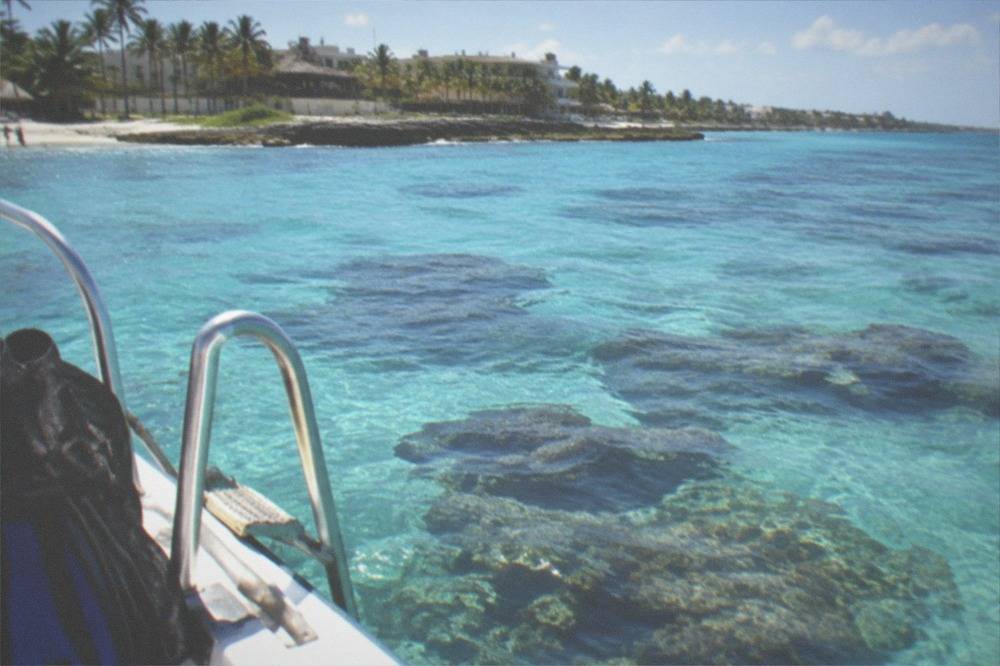
Water safety on the snorkeling side is also the more relevant question than cartel safety. The island's premier reef sites, Palancar with its massive coral formations and Colombia with its dramatic walls, are accessed by boat with crews who brief on currents and marine-park rules. The operator matters more than the neighborhood: a licensed boat with a small group, provided vests and a guide in the water is the standard safe setup, and that is what reputable reef trips sell.
A snorkeling day trip is the most common way visitors actually touch the island's water, and the roster's Cozumel snorkeling tour from Playa del Carmen reflects the honest picture you should expect when reading its listing. It runs from $135 and carries a 4.0 rating from 33 reviews, a small pool by platform standards, so the score means less than the pattern in the recent feedback. Weaker swimmers and families should check what the listing says about current conditions at the reef stops and how much swim time is guided, because those details vary by departure.
What The Recent Incidents On The Mainland Mean For Your Ferry Ride
The incidents reported in 2026 happened on Highway 307, in residential Playa del Carmen neighborhoods, and in mainland restaurants, not on the ferry route or the island. A day tripper crosses from the Playa del Carmen maritime terminal to San Miguel in about 45 minutes on a heavily used passenger route with sailings roughly every 30 to 60 minutes. Nothing in the mainland record touches that crossing.
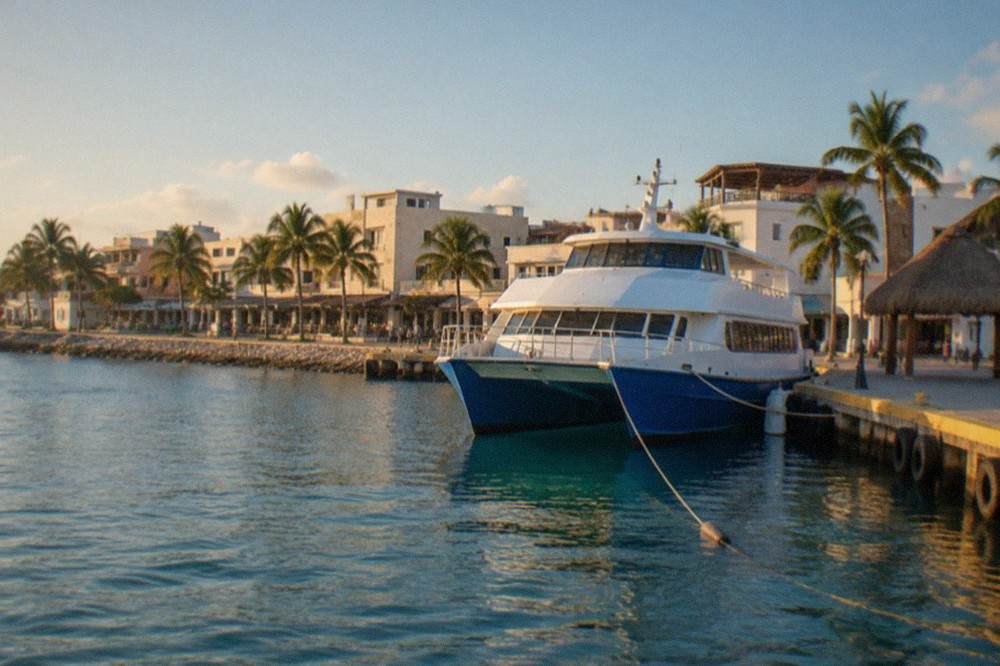
The ferry terminals themselves sit at the heart of two tourist corridors, the bottom of Playa del Carmen's Fifth Avenue and Cozumel's downtown waterfront, and both are among the most patrolled stretches of public space in the state. The crossing is short, the boats are passenger catamarans with high turnaround, and the schedule runs from early morning until around 10 PM combined. Full schedule and fare details are maintained by the Cozumel ferry schedule reference, with one-way adult fares running roughly 250 to 344 MXN depending on operator and class.
The one mainland caution worth translating into day-trip behavior is the advisory's after-dark note. If your return ferry lands you back in Playa del Carmen at 9 PM, you finish the evening on the well-lit pedestrian core of Fifth Avenue rather than walking a long residential detour, and you use a marked taxi from a stand rather than a street hail. That is the entire practical adjustment the advisory asks of a Cozumel visitor.
Beyond the ferry itself, the island's walkability is a genuine safety asset. The main cruise pier at Punta Langosta sits directly adjacent to downtown San Miguel, so arriving passengers walk straight into shops, restaurants and the waterfront promenade. For a comparison of the island against other regional options, the piece on Cozumel safety in 2026 covers the same question from a pure travel-advisory angle.
How To Visit Cozumel Sensibly On A Day Trip
Plan the day around the ferry schedule, book water activities through an operator with a live listing, keep cards and cash split between pockets, and be back across the channel with enough evening left to stay on lit streets. On the island, the pier-to-downtown corridor is naturally safe territory. The remaining risks are sun, currents and scammers, all manageable with ordinary preparation.
The practical checklist is short. Bring cash in pesos for ferry incidentals and beach clubs, since small vendors on both sides work better in cash. Watch for the fraud patterns the consular notices describe: card skimming at casual shops, unofficial tour sellers near the piers, and pressure tactics around time-share presentations. Book your reef or boat day in advance through a listing that shows its inclusions, so you can compare what is promised against what happens on the dock.
| Concern | What the record shows | What you actually do |
|---|---|---|
| Cartel violence on the island | No verified pattern against visitors; one 2025 trafficking cell ended in arrests | No special action needed |
| Mainland incidents | 2026 cases clustered on Highway 307 and in residential neighborhoods | Return before late evening, stay on lit streets in Playa |
| Petty theft and fraud | Consular notices cite card skimming and unofficial excursion sellers | Use cards at established shops, book tours through a live listing |
| Water conditions | Reefs are boat-accessed with briefed crews; sargassum favors the eastern shore | Snorkel with a licensed operator, mind currents |
| Weather | Hurricane season June 1 to November 30, peak August to October | Check forecasts, keep booking terms flexible |
If the day's plan is the island's water rather than its shops, the ferry-plus-reef combination is where most of the roster's Cozumel options sit. A straightforward open-return ferry ticket from Playa del Carmen lists from $43.03 with a 4.5 rating from 105 reviews, a solid mid-sized pool, and it pairs naturally with a booked snorkel departure out of San Miguel. Travelers who prefer their water day with zero logistics tend toward the catamaran format instead: the Isla Mujeres cruise with beach club, snorkel, lunch and open bar lists from $59 and carries 4.0 from 2,618 reviews, a large pool that plainly shows both the format's popularity and its rating ceiling. For a longer comparison of what each island day looks like, the Cozumel day trip planning guide walks the whole route.
The Short Version For A Nervous Traveler
Cozumel is the low-drama corner of a state with a Level 2 rating, and the rating's own text points its cautions at mainland nightlife districts, not the island. The 2026 mainland incidents are real but geographically specific, the island's organized-crime record is one arrest operation, and the practical risks are fraud, sun and currents. Book with reputable operators, cross on the scheduled ferry, and the day matches its postcard.
Worry about crime on Cozumel is mostly an artifact of search, and it is worth naming that plainly. The island appears in cartel queries because it appears in Quintana Roo queries, and Quintana Roo appears in cartel queries because of mainland stories. Unpack the geography and the island's own column is short: one enforcement action, a consular note about scams, and an economy whose entire incentive structure is keeping cruise passengers safe and spending. None of this makes the mainland headlines false. It makes them the wrong map for a ferry day.
If a fuller regional comparison would settle the decision, Tours in Playa del Carmen carries the complete breakdown of every island and mainland day trip from the ferry terminal outward, including which operators carry which inclusions. The honest bottom line for 2026 is that a Cozumel day trip from Playa del Carmen remains one of the easiest, most predictable water days on this coast, and the advisory, read carefully, agrees.
Common Questions About Cozumel Safety
Is Cozumel Safe From Cartel Activity? What The Advisory Really Says?
Yes, in the advisory's own terms. Quintana Roo is rated Level 2, Exercise Increased Caution, with cautions aimed at mainland downtown areas after dark. Cozumel is not named, the rating has not been raised through 2026, and the island's only widely reported organized-crime case ended in arrests with no tourist impact.
Is cartel bad in Cozumel?
No verified pattern of cartel violence against visitors exists on the island. The 2025 CJNG arrests were a targeted enforcement case, and the island's 2026 problem list is dominated by petty theft and fraud complaints rather than violence.
Is it safe to go to Cozumel right now in 2026?
Yes, with the ordinary Level 2 precautions: stay aware after dark, use licensed transport, guard your cards, and book excursions through a live listing rather than pier sellers. The State Department has not raised the state's rating through any of 2026's mainland incidents.
Does the Level 2 advisory tell Americans not to visit Quintana Roo?
No. Level 2 means exercise increased caution, the same tier the State Department applies to many heavily visited countries. The Quintana Roo paragraph specifically advises alertness after dark in downtown Cancun, Tulum and Playa del Carmen, and it never mentions Cozumel.
Was the ferry route affected by the 2026 mainland incidents?
No. The reported incidents took place on Highway 307 and in residential or nightlife areas of the mainland, not on the Playa del Carmen to Cozumel crossing. The ferry runs on its normal schedule with sailings roughly every 30 to 60 minutes.
What are the realistic safety risks on a Cozumel day trip?
Petty theft, card skimming, unofficial excursion sellers near the piers, strong currents at reef sites, and sun exposure. All are manageable with cash discipline, advance booking, a licensed snorkel operator and basic beach preparation.