What Is The Number One Thing To Do In Cozumel?
The number one thing to do in Cozumel is snorkel the Palancar and Colombia reefs on the island's southwest coast. Here is how that day works from Playa del Carmen, with ferry facts, honest tour comparisons and planning details.
What Is The Number One Thing To Do In Cozumel?
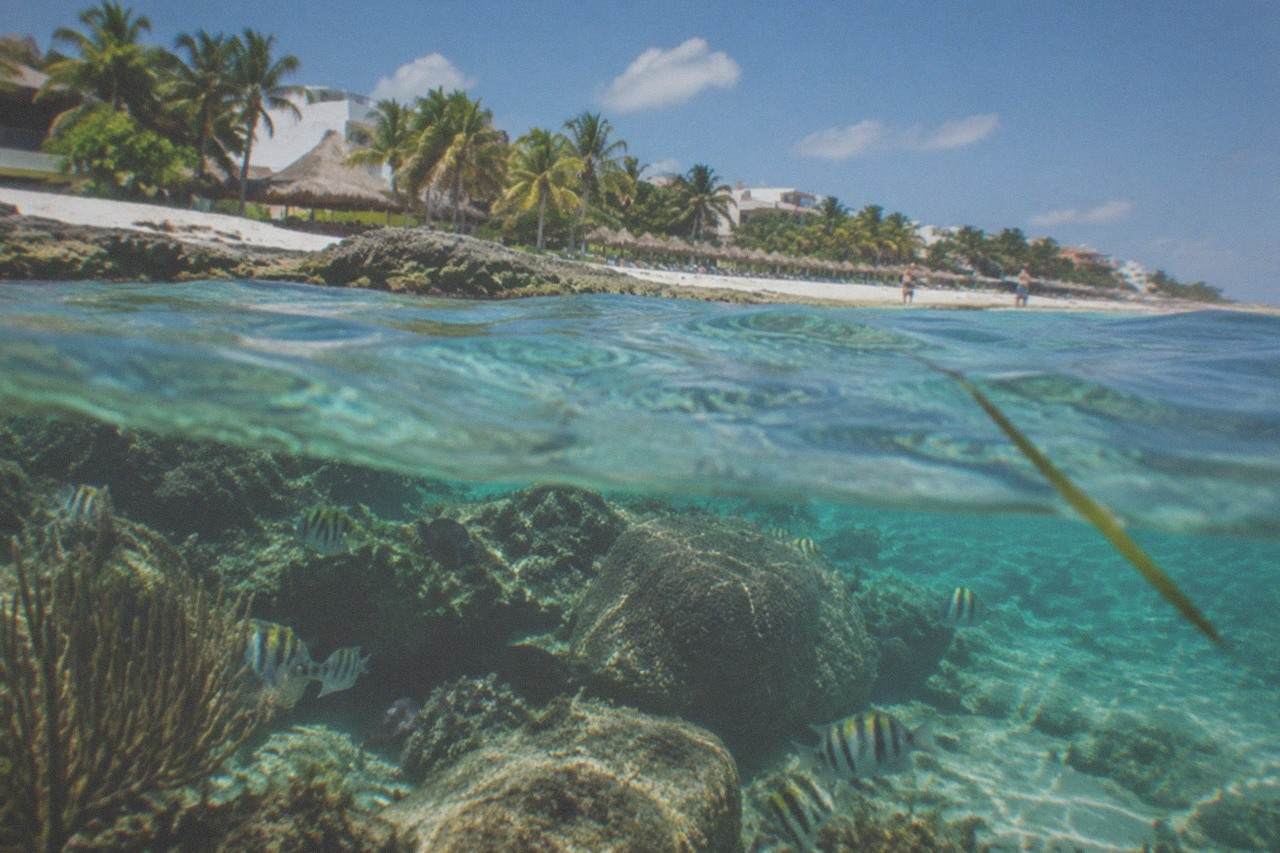
The number one thing to do in Cozumel is snorkel the island's stretch of the Mesoamerican Barrier Reef, above all the Palancar and Colombia formations along the southwest coast. The reefs sit a short boat ride from the San Miguel marinas, draw turtles, rays and dense schools of fish, and are the reason Cozumel became a dive destination at all. From Playa del Carmen, the day begins with a ferry crossing of about 45 minutes.
Cozumel attracts two kinds of day visitors. One group steps off the ferry, walks the waterfront of San Miguel, buys a souvenir, eats lunch on the malecón and sails home. The other group is on a dive or snorkel boat within the hour and floating over coral before noon. The second group has the better day, and it is not close.
The reason is geography. Cozumel is not primarily a beach town, despite what the postcards suggest. Its west coast faces the Mesoamerican Barrier Reef system, and the island's entire tourism economy, from the cruise piers to the dive shops, was built on that underwater wall. The famous formations, Palancar and Colombia among them, lie along the southwest coast, a short boat run from the marinas in San Miguel. Visibility on that side is routinely the best in the region, which is why generations of divers kept coming back.
The alternatives are fine but second-tier. Beach clubs on the west shore offer a swim and a chair. Downtown offers silver shops and tequila tasting. Neither is the thing the island is for. If you have one day and one decision, the reef wins on every measure that matters: scenery, wildlife, water clarity and the simple fact that you cannot replicate it anywhere else on the Riviera Maya mainland, where reef snorkeling from shore has grown inconsistent.
The reef day also scales to almost any traveler. Non-swimmers can float in a vest over the shallow sections. Confident snorkelers get the drop-offs. Certified divers have a whole separate universe, but you do not need a certification to see why Cozumel matters. A mask, a boat and half a day are enough.
If that sells you, the three options below are the practical shortlist: the reef tour itself, the lower-priced party alternative across the water, and the ferry ticket that underpins the whole day.
Why Palancar And Colombia Reefs Stand Out
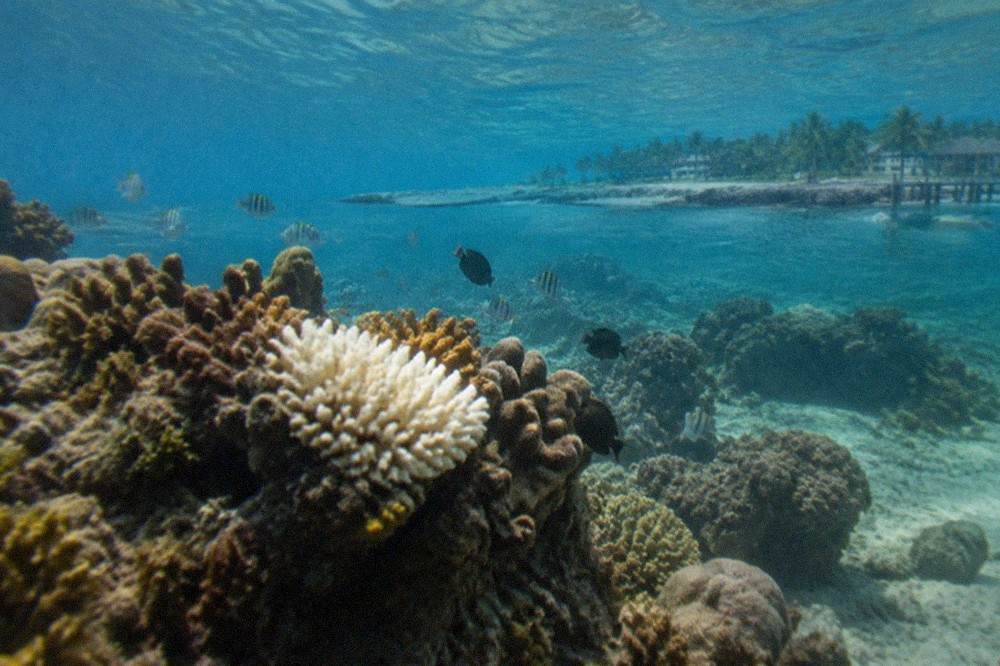
Palancar Reef carries the island's signature underwater scenery: massive coral structures, swim-throughs, and steady sightings of turtles, rays and reef sharks. Colombia Reef, a short hop south, is the wall-and-pinnacle counterpart, with dramatic drop-offs and some of the strongest turtle sightings around, plus shallower sections that suit snorkelers rather than divers. Both sit on the southwest coast, minutes from the marinas.
Palancar is the name that comes up first in almost every ranking of Cozumel snorkeling, and the reasoning is structural. The reef grows in massive formations with swim-throughs and channels, and the density of marine life around those structures is what people remember: turtles resting on coral heads, rays sweeping the sand, the occasional reef shark at distance. The shallower Palancar Gardens sections are where most snorkel boats stop, which keeps the experience within reach of anyone comfortable in the water.
Colombia is the wilder sibling. The reef drops into dramatic walls and pinnacles there, and the turtle sightings are consistently strong, but the upper sections over the wall are gentle enough that tour boats regularly include it on snorkel routes rather than reserving it for divers. Between the two, a half-day boat covers the best of what the island's underwater geography offers.
One honest note on booking: the flagship reef product from Playa del Carmen, the Cozumel Snorkeling Tour with lunch, carries a 4.0 rating from 33 reviews and starts at $135 including boat, gear and lunch. That is a small review pool, so read the recent feedback on the operator's live listing rather than trusting the score alone. The inclusions, two snorkel stops and a buffet lunch, are what you are actually buying.
For the full planning picture, including how the island day compares with ruins and cenote trips on the same route, the Cozumel day trip guide covers ferry logistics, timing and budget in more depth than this piece. The short version is that the reef tour is the island's core product and everything else on Cozumel is an add-on around it.
How A Cozumel Reef Day Works From Playa Del Carmen
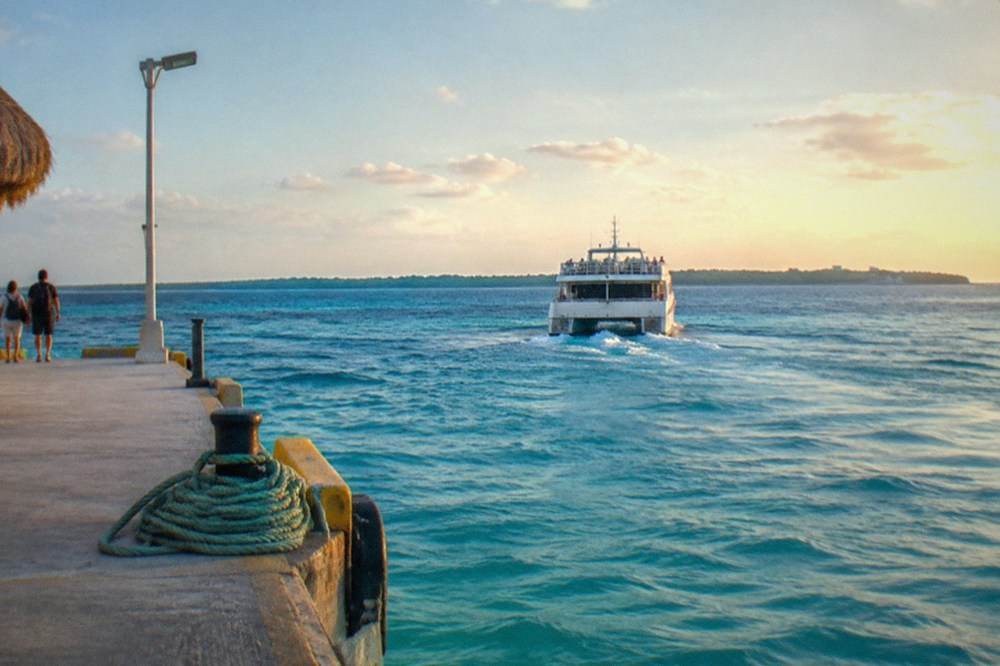
The standard day runs like this: ferry from Playa del Carmen's maritime terminal at the foot of Fifth Avenue, a crossing of about 45 minutes, then a half-day boat tour from a San Miguel marina out to the reefs. One-way adult ferry fares run roughly $12 to $22, with departures roughly every 30 to 60 minutes between about 7 AM and 10 PM, so timing stays flexible.
Two operators, Ultramar and Winjet, run the passenger catamarans between Playa del Carmen and Cozumel, with schedules that interleave into near-hourly coverage across the day. You do not need to book a specific sailing in most cases; you buy a ticket and board the next boat. The combined ferry schedule is the reference worth checking before you commit to a tour time, since tour pickups on the Cozumel side assume you made a particular crossing.
| Ferry fact | Figure |
|---|---|
| One-way adult fare | roughly $12 to $22, depending on operator and class |
| Departure frequency | roughly every 30 to 60 minutes, combined operators |
| Service window | about 7 AM to 10 PM |
| Crossing time | about 45 minutes |
| Operators | Ultramar and Winjet passenger catamarans |
One roster option is the ferry ticket itself, sold with an open return so you are not locked to a specific sailing home. The Playa del Carmen to Cozumel Xcaret ferry ticket starts at $43.03 and rates 4.5 from 105 reviews. For travelers who want to book the reef tour on the island side, or spend the afternoon in San Miguel after the boats come in, that open return is the flexible choice.
For most visitors, though, the bundled day is easier: the tour product includes the crossing logistics, or starts from the Cozumel side if you are staying on the island, and the operator handles the marina, the boat and the timing. It is one of the most requested day trips covered on Tours in Playa del Carmen, and the reason is simple. Everything that makes Cozumel distinctive sits under the water, and the bundled tour is the cheapest reliable way to get a mask on it.
Cozumel Vs Isla Mujeres: Which Water Day Fits?
Pick Cozumel for the reef itself: clearer, deeper water, coral formations, and fish density that Isla Mujeres cannot match. Pick Isla Mujeres for an easy, party-leaning catamaran day with open bar, beach club and snorkel stops bundled at a lower entry price, from $59. Cozumel is the underwater day; Isla Mujeres is the floating party.
Both islands sit across the water from the Riviera Maya's hotel zone and both sell themselves as escapes, but they sell different things. Cozumel sells what is below the surface. Isla Mujeres sells a catamaran social: music, open bar, a beach club stop, a quick snorkel and the famous shallow sand of Playa Norte. Neither is pretending to be the other, which makes the choice honest.
The numbers tell the story plainly. The Isla Mujeres cruise with beach club, snorkel, lunch and open bar starts at $59 and carries 4.0 from 2,618 reviews, the largest review pool of any water-day product on this site's roster. That is a bestseller by review count and, stated plainly, an honest 4.0 rather than a standout score. The Cozumel snorkel tour costs more, from $135, with a much smaller review pool, and buys a different product: a boat over a barrier reef rather than a party boat to a beach.
| Option | Format | Rating and reviews | Price from |
|---|---|---|---|
| Cozumel Snorkeling Tour | Boat to Palancar-area reef stops, gear and lunch | 4.0 from 33 reviews | $135 |
| Isla Mujeres catamaran cruise | Catamaran with beach club, snorkel, lunch, open bar | 4.0 from 2,618 reviews | $59 |
| Cozumel Xcaret ferry ticket | Open-return passenger crossing, no tour | 4.5 from 105 reviews | $43.03 |
Families with young kids often lean Isla Mujeres because the beach club gives children a place to play between stops. Snorkelers, photographers and anyone who has already done a beach day lean Cozumel. If the question is literally "the number one thing," the reef keeps the crown.
Is Cozumel Safe For A Snorkel Day?
Cozumel is described in current reporting as lower-risk than mainland hot spots for violent crime, with a tourism-driven economy that keeps its visitor zones policed; the practical risks are petty theft and fraud. The US State Department keeps Quintana Roo at Level 2, exercise increased caution, the same standing held through its most recent updates. Normal precautions, licensed transport and secured valuables cover most of it.
The Level 2 advisory deserves context rather than alarm. It applies to the whole state of Quintana Roo, which includes Cancún, Playa del Carmen and Tulum, and it is a "be aware" tier, not a "do not go" tier. The advisory's practical advice is unremarkable: stay alert after dark in downtown areas, keep to well-lit pedestrian streets and tourist zones.
Cozumel specifically reads better than the mainland in the reporting. The island's crime picture centers on petty theft, fraud complaints and isolated incidents rather than violence aimed at visitors, and its economy depends almost entirely on cruise and dive tourism staying trouble-free. The reef day itself removes you from almost all of it: you are on a boat, with a licensed operator, during daylight hours.
Two practical rules do the heavy lifting. Book through an established operator rather than a beach vendor with a laminated card, and keep passports and cash in a sealed dry bag or a locker rather than a beach bag on a towel. Do those two things and the safety question answers itself.
What To Know Before You Book: Tax, Sunscreen And Season
Three details change the day: foreign visitors to Quintana Roo owe the VISITAX visitor tax, roughly 283 MXN, paid online before departure; biodegradable or mineral sunscreen is required at protected marine sites rather than conventional formulas; and the dry season from November to April brings the calmest, clearest water, while sargassum peaks in the summer months. All three are cheap or free to get right.
VISITAX is the detail people miss. The tax applies to foreign visitors of all ages in Quintana Roo, is not bundled into airfare, and is paid through the official VISITAX portal before departure, which issues a QR code. At roughly 283 MXN, about $15, it is not a budget item, but the check happens at departure and unpaid travelers get held up at the worst possible moment.
Sunscreen is the second. Most managed marine sites in Quintana Roo, including reef areas, require biodegradable or mineral sunscreen and will refuse conventional chemical formulas or require a rinse-off. Buy a zinc or titanium based product before you travel; the markup at island shops is real and the rule is enforced.
Season is the third. The regional dry season runs roughly November to April with calmer seas and better visibility, while the rainy season from May to October brings afternoon showers and the sargassum arrivals that define late spring and summer. Cozumel's west coast is comparatively sheltered and its offshore reef sites are less exposed than mainland beaches, which is exactly why the reef day holds up in months when beach days on the Riviera Maya do not. For a fuller breakdown of timing, the best month for Cozumel diving piece goes month by month.
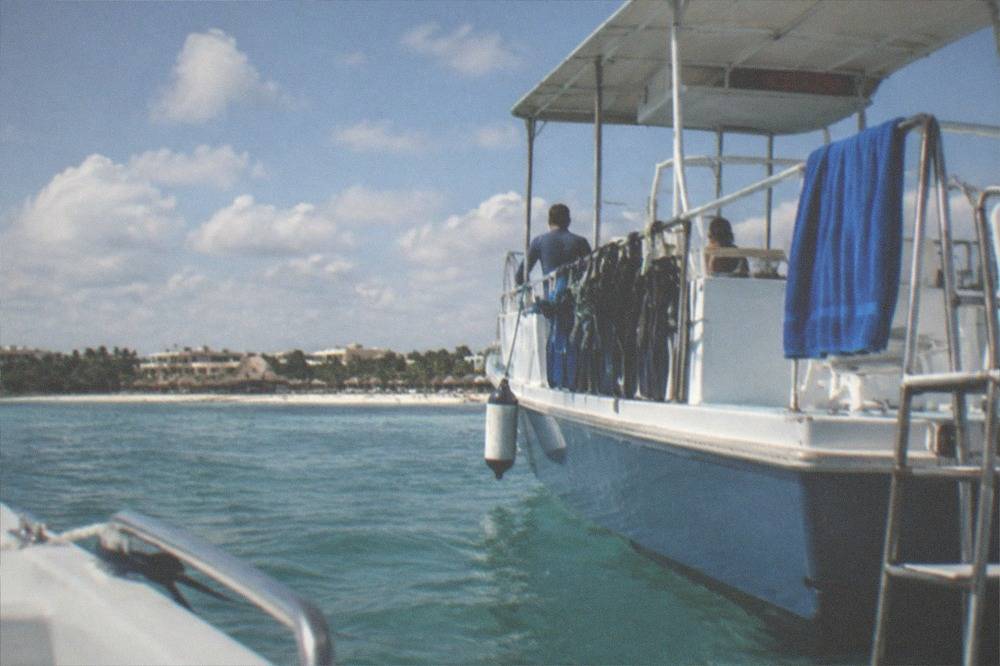
Booking style matters less than booking timing. The reef tours fill on cruise-ship days, when several thousand passengers arrive at once, so a morning crossing from Playa del Carmen before the ship crowds reach the marinas buys both quieter boats and better water. That is the single cheapest upgrade available on this whole itinerary.
To close the loop: the number one thing to do in Cozumel is the reef, the reef means Palancar and Colombia, and the practical day is a ferry plus a half-day boat. These three products are the decision.
Common Questions About Cozumel
What Is The Number One Thing To Do In Cozumel?
Snorkel or dive the Mesoamerican Barrier Reef off Cozumel's southwest coast, above all the Palancar and Colombia formations. The reefs sit a short boat ride from the San Miguel marinas, hold turtles, rays and dense marine life, and are the foundation of the island's entire tourism economy. Everything else on Cozumel, the shops, the beach clubs, the restaurants, works better as a supplement to the reef day than as a substitute for it.
Do You Need A Boat To Reach Cozumel's Famous Reefs?
Yes. Palancar and Colombia lie offshore along the southwest coast and are reached by boat tours from the San Miguel marinas. Some shore snorkeling exists near beaches closer to town, but the famous coral formations and the marine life density that made Cozumel's reputation are boat-accessed, which is why the reef tour rather than a do-it-yourself swim is the standard island day.
How Much Is The Ferry From Playa Del Carmen To Cozumel?
One-way adult fares run roughly $12 to $22 USD, about 250 to 344 MXN, depending on the operator, the ticket class and whether you buy online in advance. Ultramar and Winjet both run passenger catamarans, and their combined schedule offers departures roughly every 30 to 60 minutes from about 7 AM to 10 PM. An open-return ticket, such as the Xcaret ferry option from $43.03, removes the pressure of a fixed sailing home.
How Long Does The Ferry Crossing To Cozumel Take?
About 45 minutes each way. The passenger terminal in Playa del Carmen sits at the end of Fifth Avenue, so most hotel-zone stays are a short walk or taxi from departure, and on the Cozumel side the ferry docks within easy reach of downtown San Miguel and the marinas where reef tours depart. Allow a buffer on the return leg if you have a fixed evening commitment on the mainland.
Is Cozumel Safe For Cruise And Day Visitors?
Cozumel is repeatedly described in current reporting as lower-risk than mainland hot spots for violent crime, with visitor complaints centered on petty theft and fraud rather than violence aimed at tourists. Quintana Roo as a whole carries a US State Department Level 2 advisory, exercise increased caution, with standard advice to stay alert after dark and keep to well-lit tourist zones. A booked reef tour keeps you on a licensed boat in daylight, which removes most of the practical exposure.
When Is The Best Time Of Year To Snorkel In Cozumel?
The regional dry season, roughly November to April, brings calmer seas, clearer water and lower humidity, and it is the safest bet for visibility. The rainy season from May to October brings afternoon showers and the sargassum arrivals that peak in summer, though Cozumel's west coast is comparatively sheltered and offshore reef sites are less exposed than mainland beaches. Booking a morning boat in any season buys the best light and the calmest surface.