What Should You Be Careful Of In Cozumel?
The real day-to-day cautions in Cozumel: currents, jellyfish, scooter accidents, taxi fares at the cruise piers, sun, sargassum and the Level 2 advisory, with the figures that matter.
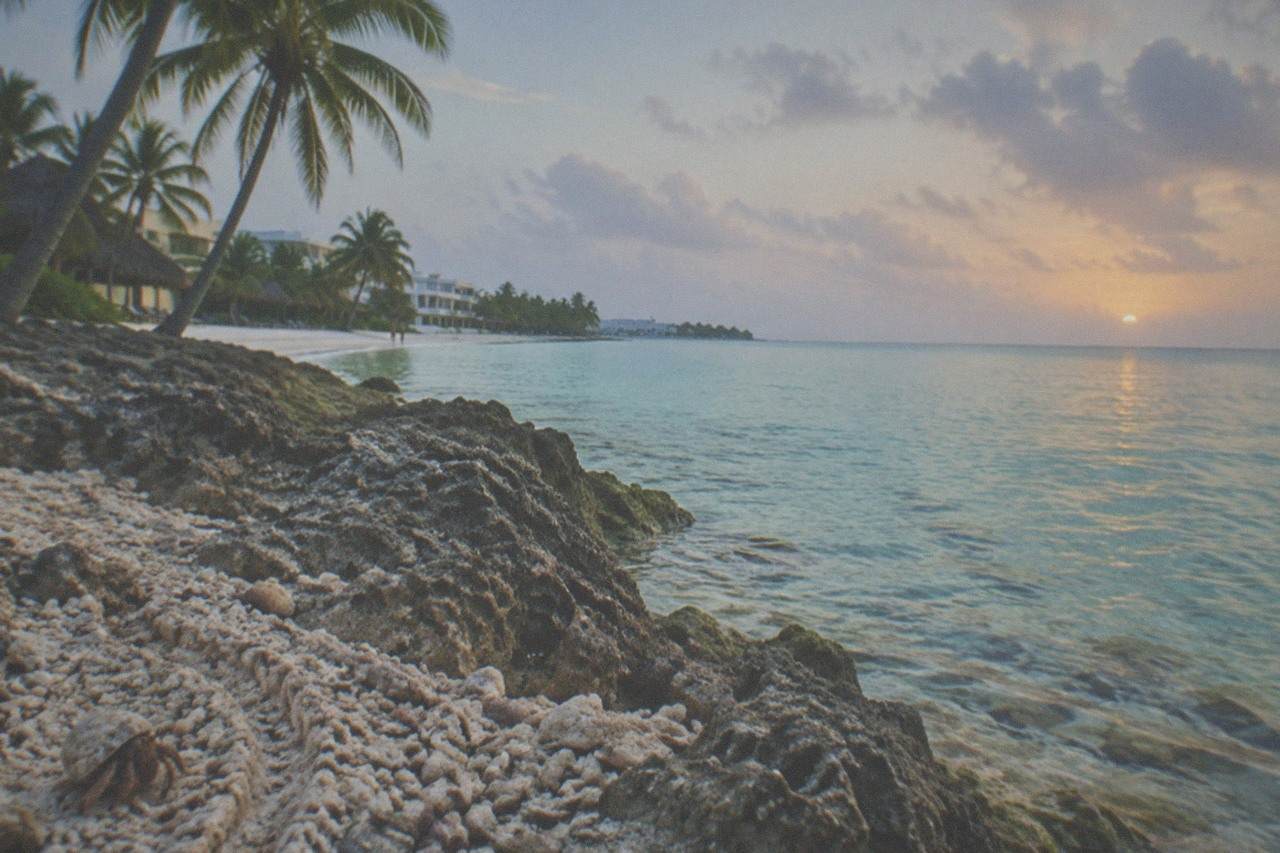
What Should You Be Careful Of In Cozumel?
Most of what you need to be careful of in Cozumel is practical rather than criminal: strong currents and occasional jellyfish on the east-facing coast, scooter and moped accidents in the traffic circles, unagreed taxi fares at the cruise piers, serious sun exposure, and sargassum on exposed shores. The US advisory for Quintana Roo sits at Level 2, Exercise Increased Caution.
That framing matters, because the island has a way of feeling safer than it is in two directions at once. The west coast around San Miguel is calm, walkable and tourist-policed, so visitors drop their guard on the water. The east coast is wild, empty and beautiful, so they rent a scooter, open the throttle, and discover that the Caribbean side has no lifeguard and no cell signal. Almost every serious incident reported on the island fits one of those two pictures, and neither involves cartel violence aimed at visitors.
The State Department rates the whole state of Quintana Roo, which includes Cancún, Playa del Carmen, Tulum and Cozumel, at Level 2, the same "exercise increased caution" tier that covers the country overall. The advisory text notes that shootings between rival groups have injured bystanders and advises paying attention to surroundings after dark in downtown areas, staying in well-lit pedestrian and tourist zones. Local 2025 and 2026 reporting on Cozumel itself centers on petty theft, fraud complaints against tour sellers, and isolated incidents rather than broad violence in visitor areas. For the practical picture of crossing over from the mainland, the companion piece on the Tours in Playa del Carmen ferry routes, piers and day-trip logistics covers the crossing in detail, and the full day-out planning guide is at Cozumel day trip planning.
If you are going over for the reefs rather than the town, a guided day removes most of the water-risk decisions at a stroke. These are the three options worth comparing first.
Are The Water And Beaches Dangerous In Cozumel?
The west coast is generally calm and family friendly, while the east coast has strong currents, heavy surf and no lifeguards, so swimming there is genuinely risky. Marine hazards include jellyfish and sea lice in warm months. Snorkeling is safest with a guide who knows which reef sections suit your ability and which do not.
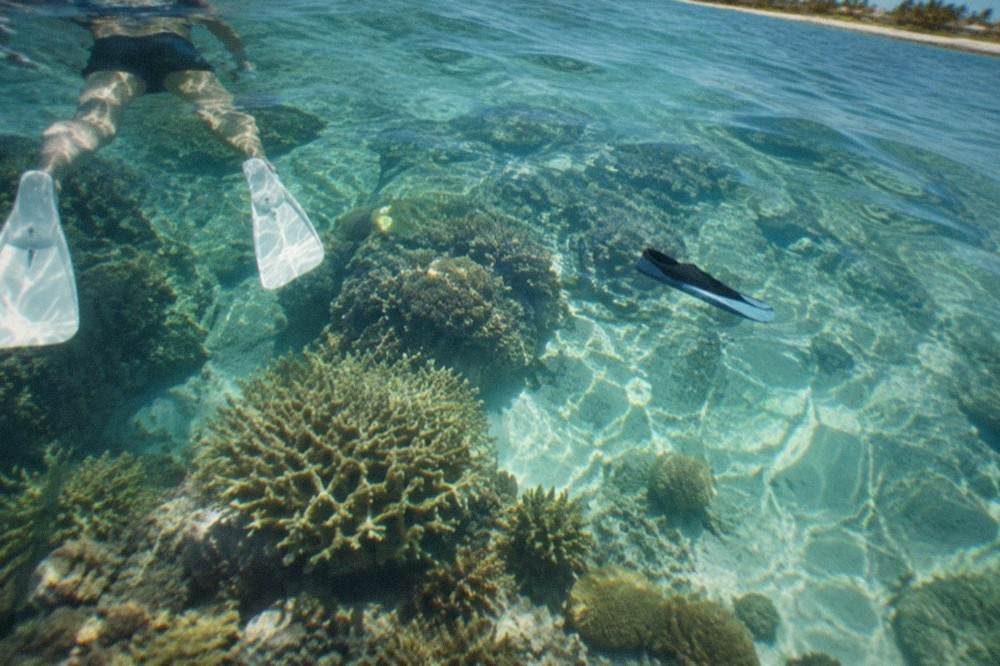
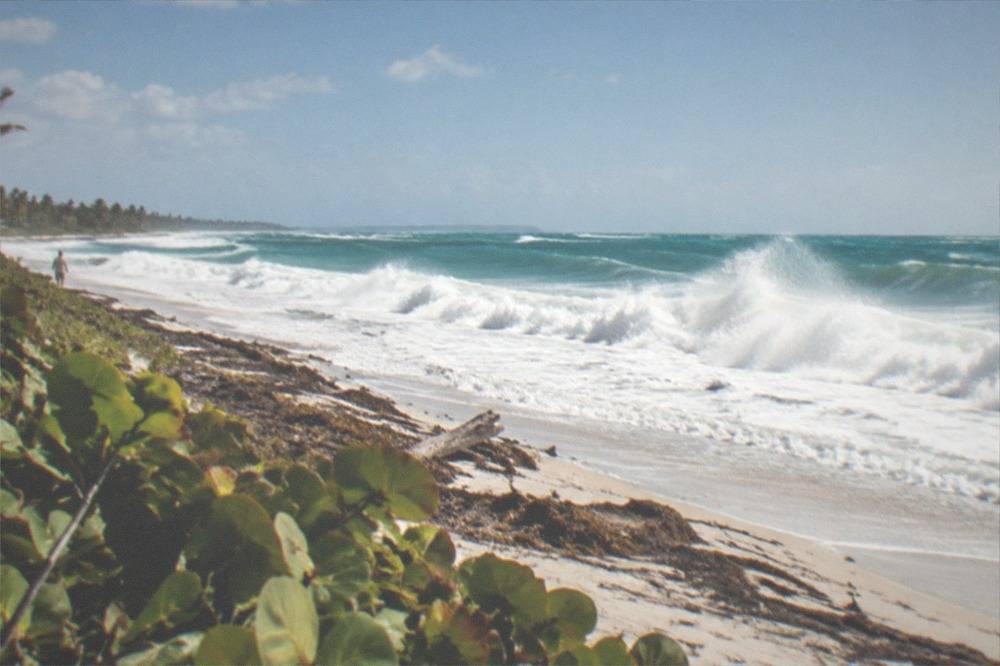
Cozumel is split by geography. The leeward west coast faces the channel toward Playa del Carmen, and sites like the shallow sections of Palancar Gardens and the inlets near the hotels hold calm, clear water that suits nervous swimmers and children. The windward east coast faces open Caribbean, and its beaches, Playa Bonita, Punta Chiqueros and the long empty stretches along the east road, carry rip currents, a steeper drop-off and standing surf. Locals swim there; they also grew up there. Visitors who treat the east like the west are the ones who get caught.
Two marine irritants deserve a mention. Jellyfish drift in on warm-season currents, and stings are painful but rarely serious; vinegar, not fresh water, is the standard first aid. Sea lice, which are actually tiny larvae that catch in swimwear, show up in the warmer months and cause an itchy rash a few hours after a swim, so rinse and change out of a wet suit promptly rather than sunbaking in it. None of this is a reason to skip the water; it is a reason to swim where others swim and to ask about conditions at your specific beach on the day.
The reef itself is the island's crown, and the reason most people make the crossing. Palancar is noted for massive coral formations, swim-throughs and a high density of marine life including turtles, rays and the occasional nurse shark, while Colombia is praised for dramatic walls and reliable turtle sightings in the shallows. Both sit off the southwest coast and both are reached by boat, which is exactly why a guided product works: the guide picks the section that matches the group, carries the gear, and knows the mooring rules.
The Cozumel Snorkeling Tour from Playa del Carmen handles that whole chain, ferry logistics included, and runs roughly a full day with lunch. Its rating is a plain 4.0 from 33 reviews, a small pool by platform standards, so read the recent guest feedback on the live listing before booking rather than treating the number alone as a verdict. It starts at $135 per person.
For a quick sense of where each caution actually applies, the pattern is consistent enough to put in one place.
| Caution | Where it shows up | The simple counter |
|---|---|---|
| Rip currents and heavy surf | East-facing beaches, no lifeguards | Swim west coast sites, ask locally each day |
| Jellyfish and sea lice | Warm-season currents, calm bays | Vinegar for stings, rinse and change out of swimwear |
| Boat traffic | Busy moorings at Palancar and Colombia | Stay with a guided group, use flagged zones |
| Crowded reef sections | Mid-morning to mid-afternoon arrivals | Early departures from Playa del Carmen |
| Sharp coral and sea urchins | Shallow reef edges, entry points | Water shoes, float rather than stand |
Are Cozumel Taxis, Scooters And Traffic A Problem?
Scooter and moped accidents are the island's most common serious tourist injury, tied to traffic circles, sand on corners and unfamiliar right-hand layouts. Taxis are safe but unmetered for most runs, so agree the fare before you get in, especially from the cruise piers where drivers queue for fresh arrivals.
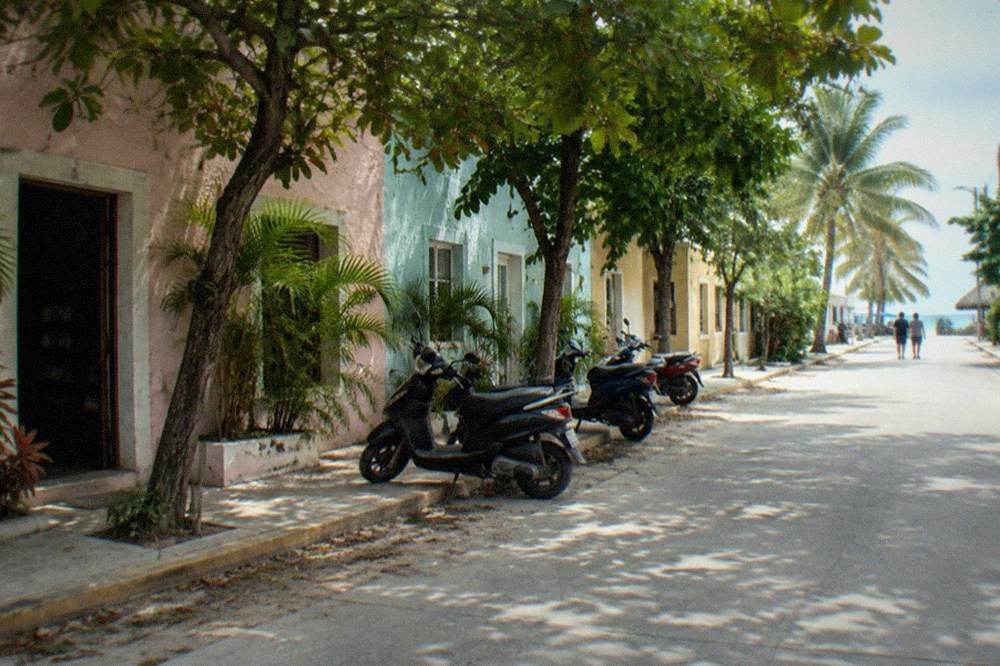
The scooter problem is unglamorous and real. Rentals are cheap, helmets are often optional in practice, and the island's roundabouts, the big ones on the Rafael Melgar waterfront avenue especially, move faster than they look. Add gravel washed onto corners after rain, a rider in flip-flops, and a passenger who has never ridden two-up before, and the hospital sees the result most weeks in season. If you do rent, take the full-face helmet they offer, skip the east coast road until you are confident, and never ride after drinking, which is the single most common factor in the serious cases.
Taxis are a different kind of caution, a financial one. Cozumel taxis are safe, plentiful and generally honest, but most do not run meters; fares are zoned and posted in theory, negotiated in practice. The risk concentrates at the cruise piers, where drivers meet fresh arrivals who do not know the zones, do not know the peso rate, and are often in a hurry. Fix the price, in pesos or dollars, before the door closes. A run from the southern piers into downtown San Miguel is roughly four kilometers, ten to twelve minutes, and short hop fares around town are modest; a full island loop or a hotel-zone transfer is where the numbers climb and where agreeing first matters most.
Which pier you land at changes the walkability question entirely, and it is the single most useful thing a day visitor can know before arriving.
| Pier | Location | Getting into San Miguel |
|---|---|---|
| Punta Langosta | Directly adjacent to downtown | Walkable, 0-10 minutes to shops and the malecón |
| International / SSA | South of town | Not walkable, taxi roughly 10-12 minutes |
| Puerta Maya | South of town | Not walkable, taxi roughly 10-12 minutes, about 4 km |
If your day is built around water rather than wandering, and the caution list above sounds like something you would rather hand to someone who does this daily, the guided options cover it.
What Should You Watch For On The Ferry From Playa Del Carmen?
The ferry itself is safe and routine, with a crossing of roughly 45 minutes and departures roughly every 30 to 60 minutes between about 7 AM and 10 PM. The cautions are practical: buy from the official terminal or operator, keep your ticket for the return, watch your step on gangways, and budget the fare, roughly $12-22 one-way, into the day.
The crossing from the Playa del Carmen Maritime Terminal at the end of Fifth Avenue is run by two passenger operators, Ultramar and Winjet, whose sailings interleave for near-hourly combined coverage through the day. The water can be choppy on windy afternoons, and seasickness tablets are cheap insurance if you are prone, but cancellations for weather are rare and announced in advance. The classic mistakes are smaller: buying tickets from unofficial sellers on the approach streets rather than the terminal windows, throwing away the return half of the ticket, and forgetting that the last boats back leave well before 10 PM, an evening in Playa that turns into a night in Playa whether you planned it or not.
One booking route bundles the crossing cleanly: the Playa del Carmen to Cozumel Xcaret ferry with open return runs 4.5 from 105 reviews and starts at $43.03, and the open-return format removes the last-boat scramble entirely, you ride back whenever the schedule suits the day.
For the full route picture, including how the crossing fits a day plan, the Playa del Carmen ferries explained guide breaks down operators, terminals and timings. For most visitors the honest summary is that the ferry is the easy part of the day; the planning around it, which side to sit on, what time to come back, whether the dock is walkable, is where people stumble.
How Bad Are Sun, Sargassum And The Season?
Sun is the most underestimated risk on the island, with peak heat and humidity from May to October and a Caribbean sun that burns even on overcast mornings. Sargassum mainly affects exposed east-facing and mainland beaches; Cozumel's west coast and the offshore reefs are largely protected, though conditions shift week by week.
The sun caution is boring and unavoidable. You are roughly 20 degrees from the equator, often on reflective white decks or pale sand, and the burn clock runs faster than at home even when cloud cover hides the sun. Reef-safe, mineral-based sunscreen matters beyond comfort: it is a widely enforced site rule at marine parks and managed snorkel sites across Quintana Roo, aimed at keeping oxybenzone and octinoxate out of the water, and conventional lotion is commonly refused or triggers a mandatory rinse-off. Shade, a hat, water, and reapplying after every swim do more than any single bottle.
Sargassum is the seasonal variable. 2026 has been a heavy year across the Caribbean, and Quintana Roo has collected record tonnage for the second consecutive year, with Playa del Carmen the most affected municipality on the mainland coast. The pattern favors Cozumel day trippers: the west coast sits in the channel, buffered from the prevailing influx, and the offshore reefs that snorkel tours visit sit below the floating line, so water clarity at Palancar or Colombia is usually far better than the beach in front of your hotel. The east coast, facing open water, catches what the currents push in, and conditions there swing from clean to excessive within days. Check the current beach reports the week you travel rather than assuming either extreme.
Hurricane season runs officially from June 1 to November 30, with peak activity typically August through October, and the regional dry season, roughly November to April, pairs lower rainfall with comfortable temperatures, per the NOAA hurricane climatology reference. Storm days are rare, not apocalyptic, and a delayed ferry or a rerouted snorkel run is the usual tourist-facing consequence. If your dates are flexible, the shoulder edges of the dry season give you the cleanest water and the fewest boats.
Is Crime Something To Worry About In Cozumel?
Violent crime against visitors in Cozumel is rare, and the island consistently reports lower violent crime than mainland hotspots. The realistic concerns are petty theft, timeshare and tour-seller pressure, card skimming, and the standard advisory cautions about after-dark downtown areas, which applies to the state as a whole.
The Level 2 advisory for Quintana Roo is a statewide rating that lumps the island with the busier mainland, and the advisory language about after-dark caution refers to downtown areas like Playa del Carmen's nightclub zone more than to San Miguel's malecón. Cozumel's economy runs almost entirely on dive tourism and cruise traffic, and the reporting through 2025 and 2026 has centered on petty theft, fraud complaints, and isolated incidents rather than violence in visitor zones. The honest version is that Cozumel is one of the lower-risk beach destinations in the state, and the precautions that matter are the boring ones.
Lock what you leave at the beach, carry only the cash you need for the day, and hand over a card rather than letting it leave your sight. Decline street pitches for "free" tours, discount cards and timeshare previews with a polite no; the pressure sellers cluster around the pier approaches and Fifth Avenue back on the mainland. If someone offers to take you somewhere private for a price that seems impossibly good, that is the caution doing its job. For the deeper question on the advisory itself and how the island compares with the mainland resorts, Cozumel safety in 2026 covers it directly.
One purely administrative trap catches more visitors than any of the above: the Quintana Roo visitor tax, roughly 283 MXN, about $15, mandatory for foreign visitors of all ages, paid online before departure through the official VISITAX portal for a QR code you show at the airport. It is generally not bundled into airfare, so the people who get caught are the ones who assumed it was.
If a guided day still looks like the right answer after all of the above, these three are the ones to compare, and the earlier comparison holds: the guided reef run, the open-return ferry crossing, and the catamaran alternative across the channel.
Common Questions About Cozumel Safety
What Should You Be Careful Of In Cozumel?
Strong currents and heavy surf on the east-facing beaches, scooter and moped accidents on the traffic circles, unagreed taxi fares at the cruise piers, sun exposure and jellyfish in warm months, and sargassum on exposed shores. Violent crime against visitors is rare; the state advisory sits at Level 2, Exercise Increased Caution, with standard after-dark cautions.
Can you swim on the east side of Cozumel?
Locals do, but visitors should treat the east coast with real respect: it has rip currents, a steeper drop-off, heavy surf and no lifeguards. The calm, family-friendly water is on the west coast and at the sheltered reef sites reached by boat, such as the shallow sections of Palancar Gardens.
Are Cozumel taxis safe and how do you pay?
Taxis are safe and plentiful, but most runs are not metered. Fares are zoned, so agree the price before getting in, in pesos or dollars, especially at the cruise piers where drivers queue for fresh arrivals. A run from the southern piers into downtown San Miguel is about 4 km, ten to twelve minutes.
Is the ferry from Playa del Carmen to Cozumel safe?
Yes. Two operators, Ultramar and Winjet, run the roughly 45-minute crossing with near-hourly combined departures from about 7 AM to 10 PM. Buy tickets at the terminal rather than from street sellers, keep your return ticket, and watch the last sailing time so a long dinner does not strand you on the mainland.
When is sargassum worst in Cozumel?
Sargassum season historically peaks May through October, and 2026 has been a heavy year region-wide. Cozumel's west coast and offshore reefs are largely buffered, while the exposed east coast fluctuates with the currents. Check current beach monitoring in the week before travel rather than assuming either extreme.