Is Two Hours Enough Time For Chichen Itza?
Two hours covers the main circuit at Chichen Itza at a steady pace, but not much more. Here is what fits into a tight visit, what entry costs, and which full-day tours earn their longer runtime.
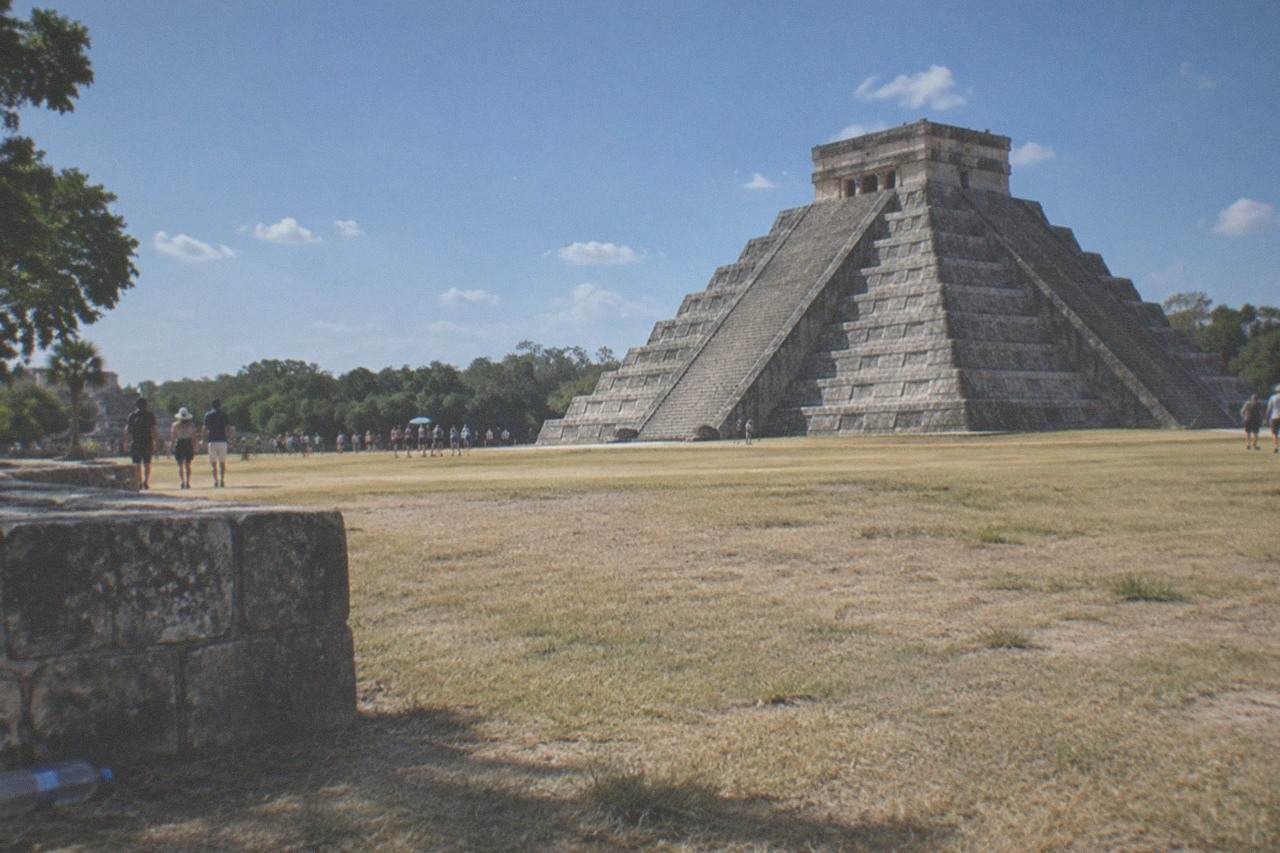
Is Two Hours Enough Time For Chichen Itza?
Two hours is enough to walk the main circuit of Chichen Itza at a steady pace: El Castillo, the Great Ball Court, the Temple of the Warriors, the Sacred Cenote and a pass through the Nunnery complex. It is not enough for a slow guided visit, the on-site exhibits, or a midday arrival in hot season, when shade is scarce, buses are thick and every viewpoint has a queue.
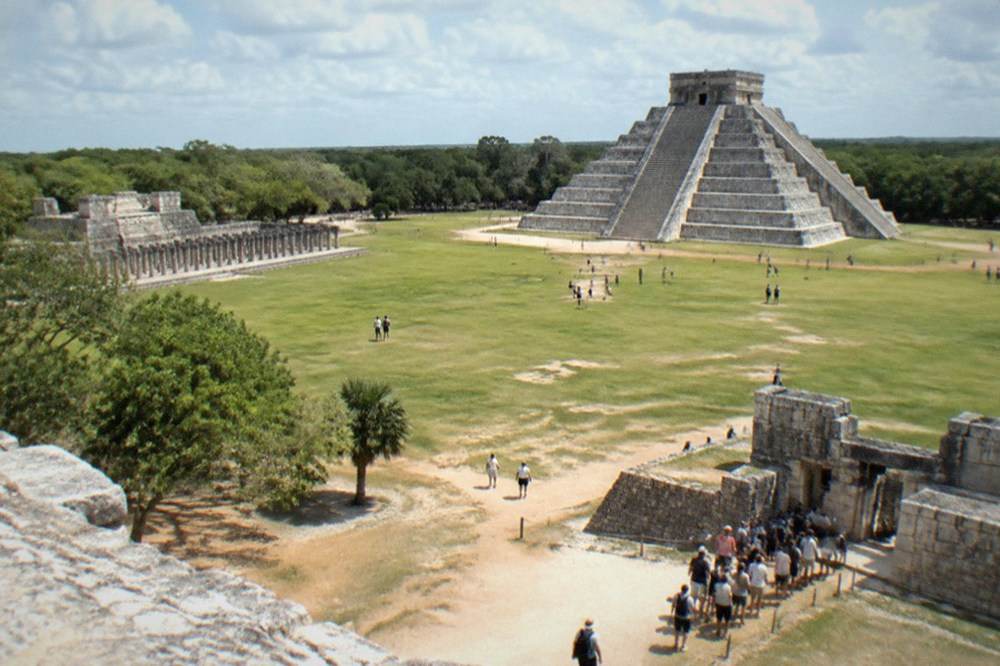
The honest way to frame the question is that two hours is the standard block, not a squeezed one. The core of the site is compact by big-ruin standards. Nearly everything a first-time visitor wants to see sits within roughly a one-kilometer walking loop, and the ground between the clusters is flat and open. A fit walker moving with purpose can complete the loop in well under ninety minutes. What stretches the visit is not distance, it is the temptation to linger, the guide's narration, photo waits at the pyramid, and the heat.
The site's own schedule shapes the answer too. Chichen Itza opens daily at 8:00 AM and closes at 5:00 PM, with last entry at 4:00 PM, and there is no re-entry on the same daytime ticket. That last rule matters for anyone planning to exit for lunch and come back. Once you walk out, the visit is over unless you pay again. So the practical question is not just whether two hours is enough, but whether you want those two hours to be your whole experience or one slice of a longer day that includes transport, a cenote and lunch.
For context on how tours from the coast are built, the Chichen Itza tours from Playa del Carmen guide breaks down the different formats side by side. The short version: nearly every organized option from Playa del Carmen is a full-day product, and the two-hour figure you see quoted in itineraries refers to time at the ruins, not total trip time.
For readers who want the decision made quickly, these are the three formats worth comparing first:
What Can You Realistically See In Two Hours?
With two hours you can cover the Great Plaza and its satellites without rushing: El Castillo from the viewing line, the Great Ball Court, the Skull Platform, the Temple of the Warriors, the Sacred Cenote viewpoint, and the Nunnery and Caracol on the walk back. What you give up is the perimeter paths, the longer rests, and any hope of beating the mid-morning bus wave if you start late.
One structural fact resets a lot of expectations: you cannot climb anything, and you cannot go inside anything. Climbing El Castillo has been prohibited since 2006, the ban was fully enforced across the site's structures by 2008, and a roughly fifteen-meter viewing distance from the pyramid, introduced for erosion protection, is now marked and actively patrolled. Violations can mean removal from the site or fines. That constraint is exactly why the loop moves faster than people expect. You are viewing structures from paths and designated areas, not queuing to ascend them. The reasons behind that policy are covered in detail in why you can't go inside Chichen Itza, which is worth reading before you build an itinerary around interiors that are closed.
A realistic two-hour loop looks something like this:
| Time block | Stop | What you actually do |
|---|---|---|
| 0:00 to 0:20 | El Castillo viewing line | Pyramid photos, guide's orientation talk, the serpent shadow explanation |
| 0:20 to 0:45 | Great Ball Court and Skull Platform | Walk the length of the court, hear the acoustics demonstration |
| 0:45 to 1:10 | Temple of the Warriors and Thousand Columns | View from the perimeter, Chac Mool detail from a distance |
| 1:10 to 1:30 | Sacred Cenote viewpoint | Overlook the sinkhole, short shaded rest |
| 1:30 to 1:55 | Nunnery complex and Caracol | Facade carvings, the observatory mound |
| 1:55 to 2:00 | Vendors' gauntlet back to the exit | Browsing or a fast walk, your choice |
Notice what is absent from that table: the museum, a proper meal, and any slack. If your arrival at the gate is 10:30 AM in April, add mental padding for photo waits at the pyramid, because that is when the tour buses from Cancun and the coast are thickest. The same two hours started at 8:00 AM feel spacious, almost leisurely. The clock is not the variable, the crowd is.
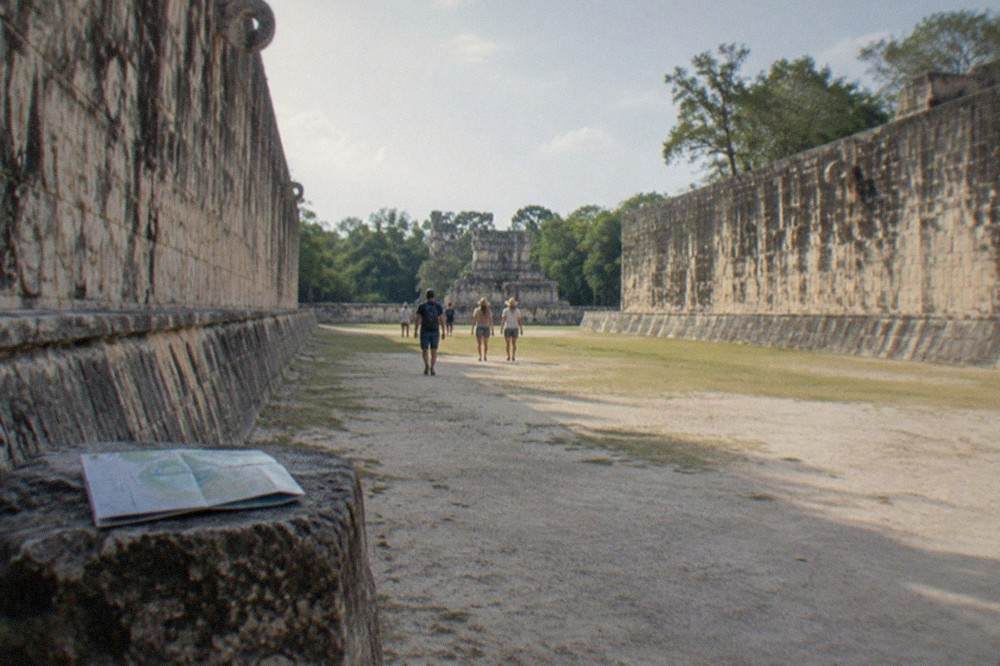
The other honest note on two hours: the site is big enough that you will walk out having missed things, and that is fine. The Gran Juego de Pelota is only the most famous of several ball courts. There are outlying groups like the Group of the Thousand Columns extensions and structures on the sacbe paths toward the sacred well that most two-hour visitors never reach. Chichen Itza was a city, not a single monument, and two hours buys you the ceremonial heart of it, not the whole urban footprint.
If the plan is to book a day that bundles the ruins with a cenote swim and lunch, decide early: the small-group format that includes early access tends to sell its morning slots first.
How Long Do Full Chichen Itza Tours From Playa Del Carmen Take?
The drive from Playa del Carmen to Chichen Itza covers roughly 182 km via the toll roads and takes two to two and a half hours each way, so a full-day tour commonly runs ten to eleven hours door to door: hotel pickup around 7 or 8 AM, two to three hours at the site, a cenote and lunch stop, and return between 5:30 and 6:30 PM.
That math is the real answer behind the question. Tour operators are not trimming your ruin time to save money. They are budgeting around a four-to-five-hour round-trip drive, an entry process that involves two ticket windows, and a lunch window somewhere in the middle of the Yucatan afternoon heat. When a product from the coast gives you "two hours at the site," that is a considered allocation, and when it gives you three, it usually means early access before the general public arrives. Two hours at the ruins inside a well-planned eleven-hour day is the norm, not a compromise.
The strongest-reviewed format on the roster at the moment is the Chichen Itza, Cenote Ik Kil, Coba Ruins small group early access tour, rated 4.5 from 987 reviews and priced from $165. Its itinerary logic is a good illustration of how the two-hour figure stretches: early access means you see El Castillo and the plaza before the bus wave lands, then the day moves on to a swim at Ik Kil and a second archaeological site at Coba. Coba's own entry fees run 210 MXN for foreign visitors and 105 MXN for Mexican nationals, with some reports of an additional community fee of around 120 MXN at the gate, per the official INAH site listing. The two-ruin, one-cenote structure works precisely because neither ruin demands a half-day of your attention.
For readers comparing durations across formats, the pattern the Tours in Playa del Carmen roster shows is fairly consistent: budget-priced shared coaches spend the least time at the site and the most time at shopping stops, mid-tier small groups spend the most, and private tours give you the schedule. If your heart is set on lingering until the 4:00 PM last entry, a private format is the only one that will wait for you.
When Are Two Hours Hardest, And When Do They Stretch Furthest?
Two hours feels short during the two equinox weeks, on Sundays when Mexican nationals enter free, and any weekday between 10 AM and 3 PM when the bus fleet is parked at the gate. The same two hours feels generous at 8:00 AM on a Tuesday in November, when the plaza is quiet, the light is low and golden, and the only queue is at the ticket windows themselves.
The equinox is the extreme case. The serpent-shadow phenomenon on El Castillo's north staircase occurs around March 20 to 21 and September 21 to 23, and it draws the site's biggest crowds of the year, with the shadow visible in late afternoon, roughly 3:00 to 5:00 PM, peaking for thirty to forty-five minutes. Cloud cover can cancel it entirely, and the effect is observable for several days either side of the exact date, so savvy travelers pick the shoulder days. If you visit in that window, two hours is not a plan, it is a triage exercise. Arrive at opening or do not bother.
Sundays deserve a special mention because they are free-entry days for Mexican nationals and residents with ID. It is a genuinely lovely policy to witness, and it also means local family attendance swells. Combined with weekend coastal tourism, Sunday mid-morning is one of the densest windows of the week. Tuesday and Wednesday mornings are the quietest, and the site's staff will tell you the same.
Season matters as much as day of week. The dry season, roughly November through April, pairs the most comfortable walking temperatures with the biggest overall tourist flow, while the rainy season brings highs above 33 degrees Celsius, afternoon showers and thinner crowds. The overlap of crowd and weather trade-offs is why many seasoned visitors aim for early November or late April, the shoulder windows where you get dry-season comfort without peak-season density. The broader seasonal picture for the region, including the official hurricane season that runs June 1 through November 30 with an August-to-October peak, is documented by the NOAA hurricane research division, and it is worth a read before booking any rainy-season day trip.
The budget tier also changes the two-hour equation. The Playa del Carmen: Chichen Itza, Valladolid, Cenote and Buffet tour, rated 4.5 from 954 reviews and from $93, is the classic big-bus format: a city stop in Valladolid, a cenote swim and a buffet lunch around the ruin visit. Group sizes are larger and the ruin block is typically on the shorter end of the two-to-three-hour range, but the value across a full day is hard to argue with, and 954 reviews at 4.5 is one of the deepest review pools on this roster.
Do You Need A Guide, And What Does Entry Cost?
Foreign adult visitors pay a combined total of roughly 676 to 697 MXN, about $35 to $40, collected at two separate windows, a federal INAH window and a Yucatan state window, while Mexican nationals pay roughly 272 to 310 MXN with ID and enter free on Sundays. A guide is not legally required, but organized tours include one, and the narration is a large part of why two hours feels full rather than thin.
The two-window system is worth knowing in advance because it confuses people at the gate. You queue once for the federal fee and again for the state fee, and cash in Mexican pesos is the most reliable payment method even where cards are accepted. Children under 13 are often free. The current fee structure took effect on January 1, 2026, following annual adjustments, and is reported in detail by Yucatan press coverage of the Ley Federal de Derechos update. If you book a tour, check whether entry is bundled in the price, because the roster varies: some products include it, others list it as a payable extra on the day.
Guides change the experience more than any other single purchase. The site rewards context enormously. The pyramid is a Maya calendar in stone, the ball court has acoustic properties you will not notice unprompted, and the carvings on the Nunnery's facade are dense with meaning a casual walker will simply file under "pretty." Two hours with a good guide feels like a full visit. Two hours without one is a very long walk among hot stones. Guides from the official cooperative wait near the entrance for independent visitors, and organized tours bring their own.
One more thing that belongs in any timing conversation: the separate Noches de Kukulcan light and sound show runs on select evenings with its own ticket, and it is the only way to see the site after dark. It does not extend your daytime visit, but it is an alternative for travelers whose daylight hours are already spoken for by transport.
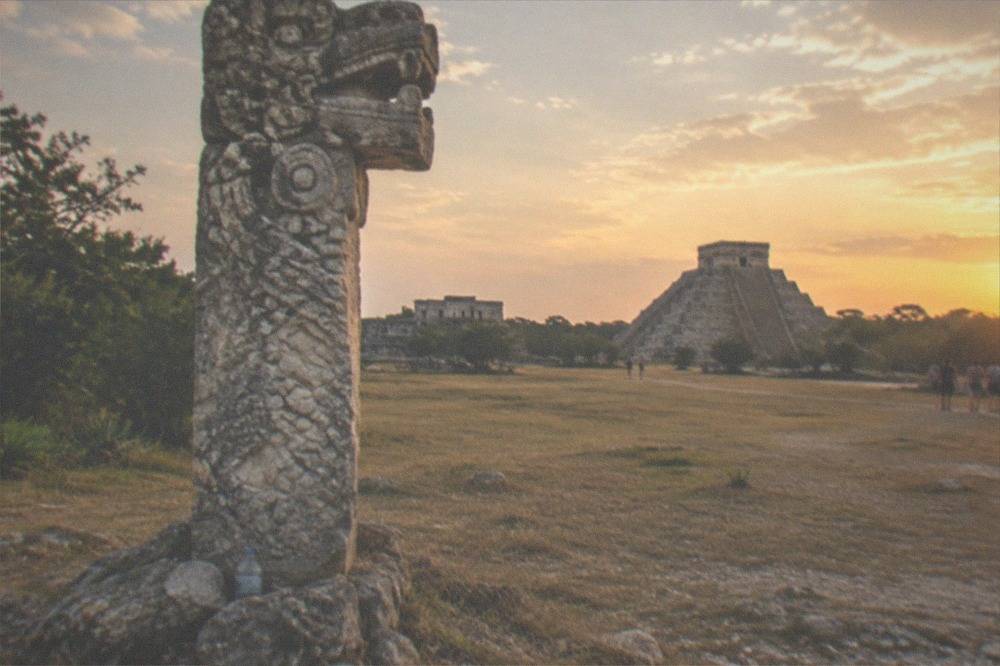
For travelers who want the guide, the pace and a bit more comfort in one package, the Chichen Itza Deluxe format from the coast, rated 4.7 from 251 reviews and from $115, sits a tier up from the shared-coach tier and typically allows a slightly longer, better-paced block at the site, with the run timed so you arrive ahead of the main bus wave. The rating pool of 251 reviews is solidly mid-sized on this roster, neither the shallow end nor the thousand-review workhorses, so treat it as a well-reviewed premium option rather than a crowd-certified one. Availability on the deluxe format moves faster than the budget tier in high season, so if that is the one you want, Check availability early rather than at your hotel desk.
The long and short of it: two hours is enough for Chichen Itza if those two hours start at or near opening, come with a guide, and are understood to be the ceremonial core rather than the whole city. Two hours that start at 11 AM, in equinox week, without a guide, will leave you with photos, heat exhaustion and the nagging sense that you saw a postcard instead of a place. If your itinerary gives you a choice, spend the extra hour at the front of the day, not the back.
Before committing, these are the three formats this comparison keeps coming back to:
Common Questions About Chichen Itza Visit Time
Is Two Hours Enough Time For Chichen Itza?
Yes, for the main circuit: El Castillo, the Great Ball Court, the Temple of the Warriors and the Sacred Cenote fit comfortably into two hours at a steady pace, especially with an early start. It is not enough for the outlying structure groups, the exhibits, or a midday equinox-week arrival with heavy crowds and heat.
How long is the drive from Playa del Carmen to Chichen Itza?
Roughly 182 km via the toll roads, taking two to two and a half hours each way in normal conditions. That is why tours from the coast run ten to eleven hours total, with two to three of those hours inside the archaeological zone.
Can you climb the pyramid at Chichen Itza?
No. Climbing has been prohibited since 2006 and fully enforced across the site's structures since 2008, and a roughly fifteen-meter viewing distance from El Castillo is now marked and patrolled. Violations can lead to removal from the site or fines.
What are the site's opening hours?
Chichen Itza is open daily, 8:00 AM to 5:00 PM, with last entry at 4:00 PM. There is no re-entry on the same daytime ticket, so plan your exit before you leave for lunch.
What does entry cost for foreign visitors?
A combined total of roughly 676 to 697 MXN, about $35 to $40, paid across two windows at the entrance: a federal INAH fee and a Yucatan state fee. Mexican nationals pay roughly 272 to 310 MXN with ID and enter free on Sundays. Children under 13 are often free.
When is the quietest time to visit?
Arriving at the 8:00 AM opening on a Tuesday or Wednesday, ideally in the November through April dry season but outside holiday weeks. Avoid mid-morning through mid-afternoon, Sundays, and the two equinox windows around March 20 to 21 and September 21 to 23.